








1. Master Your Timeline: Book Early, Book Smart
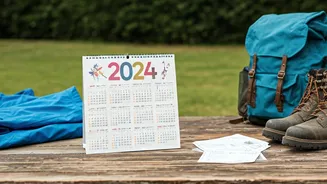
Procrastination is the enemy of festival travel. As soon as the festival dates are announced, your planning clock starts ticking. For popular events, flights and hotels can see prices triple closer to the date. Aim to book your travel and accommodation
at least three to four months in advance. If you’re travelling by train, remember that Indian Railways bookings typically open 120 days out. Set a calendar reminder! Using price alert tools on travel aggregator sites can also save you a significant amount of money. This isn’t about being anxious; it’s about being strategic. Locking in the big-ticket items early frees up your mental energy to focus on the fun parts, like which artists you’re going to see.
2. Choose Your Base Camp Wisely
Where you stay can make or break your festival experience. Staying right next to the venue is convenient but often comes with a hefty price tag and constant noise. Staying further away is cheaper and quieter, but you'll need to factor in daily travel time and costs. Research your options thoroughly. Look for guesthouses, homestays, or Airbnbs in nearby localities that have good connectivity. Check if the festival organisers are running shuttle services from key points in the city. If not, factor in the cost and availability of autos or ride-sharing apps, which may use surge pricing during peak hours. Your ideal base is a balance between budget, convenience, and a quiet place to recharge.
3. Pack Like a Pro, Not a Tourist
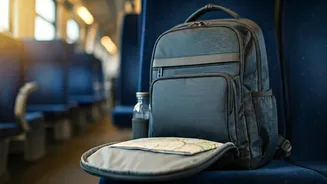
Your packing list should be built for endurance, not just aesthetics. Comfortable shoes are non-negotiable; you’ll be on your feet for hours. Given India’s varied climate, lightweight layers are always a good idea. But the real pro-level packing goes beyond clothes. A portable power bank is your lifeline when you’re navigating crowds and trying to find friends. A reusable water bottle will keep you hydrated and is more sustainable than buying plastic bottles. Also, create a small medical kit with essentials like pain relievers, band-aids, antiseptic wipes, and any personal medications. Don't forget sunscreen and a hat, even if it seems cloudy. Festival days are long, and being prepared for minor discomforts ensures they don’t turn into major problems.
4. Go Digital with Your Wallet, But Keep Cash
In today’s India, UPI and digital wallets are incredibly convenient. Most food stalls and merchandise vendors at festivals will accept digital payments. Using your phone to pay is faster and means you don’t have to carry a bulky wallet. However, don’t go completely cashless. High crowd density can sometimes lead to patchy mobile networks, making digital transactions fail. Furthermore, smaller, local vendors outside the main festival area might only accept cash. The smart strategy is a hybrid one: rely on UPI for most things, but carry a small amount of emergency cash (in smaller denominations) stored securely in a separate pocket or bag.
5. Build a Flexible Itinerary
It’s exciting to map out every single artist you want to see, but a rigid schedule can lead to disappointment. Festivals are dynamic environments. A stage might be running late, a friend might discover a cool new food stall, or you might just feel like taking a break. Build your itinerary around your top 3-4 “must-see” acts each day and leave the rest of the time open for spontaneous discoveries. The best festival memories often come from unplanned moments. Having a flexible plan allows you to go with the flow, reduce stress, and actually enjoy the atmosphere instead of just rushing from one stage to another.
6. Use the Buddy System and Set Meeting Points
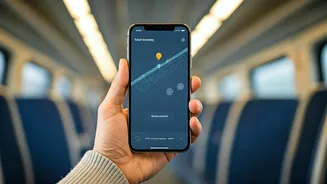
Festivals are best enjoyed with friends, but it’s incredibly easy to get separated in a large crowd, especially when the network is unreliable. At the start of each day, establish a designated meeting point—a landmark that is easy to find, like a specific art installation or a numbered information booth. Agree to meet there at certain times or if anyone gets lost. Share your live location on WhatsApp when possible, but don't rely on it. This simple piece of coordination provides peace of mind and ensures that a lost friend doesn’t derail the entire group's experience. It’s a basic safety measure that makes the entire event smoother for everyone.