



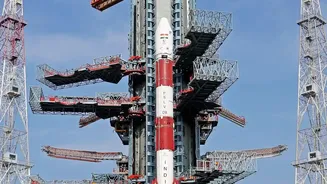
A Shift from Government to Private Enterprise
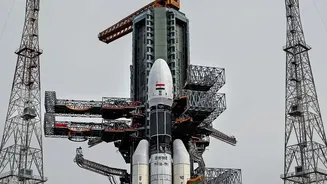
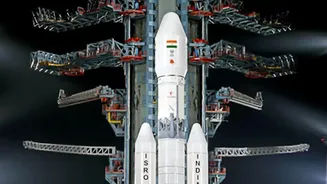
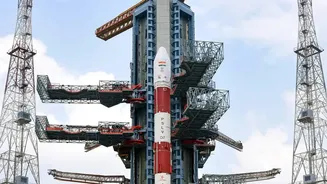
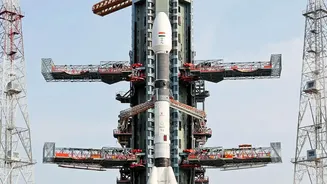
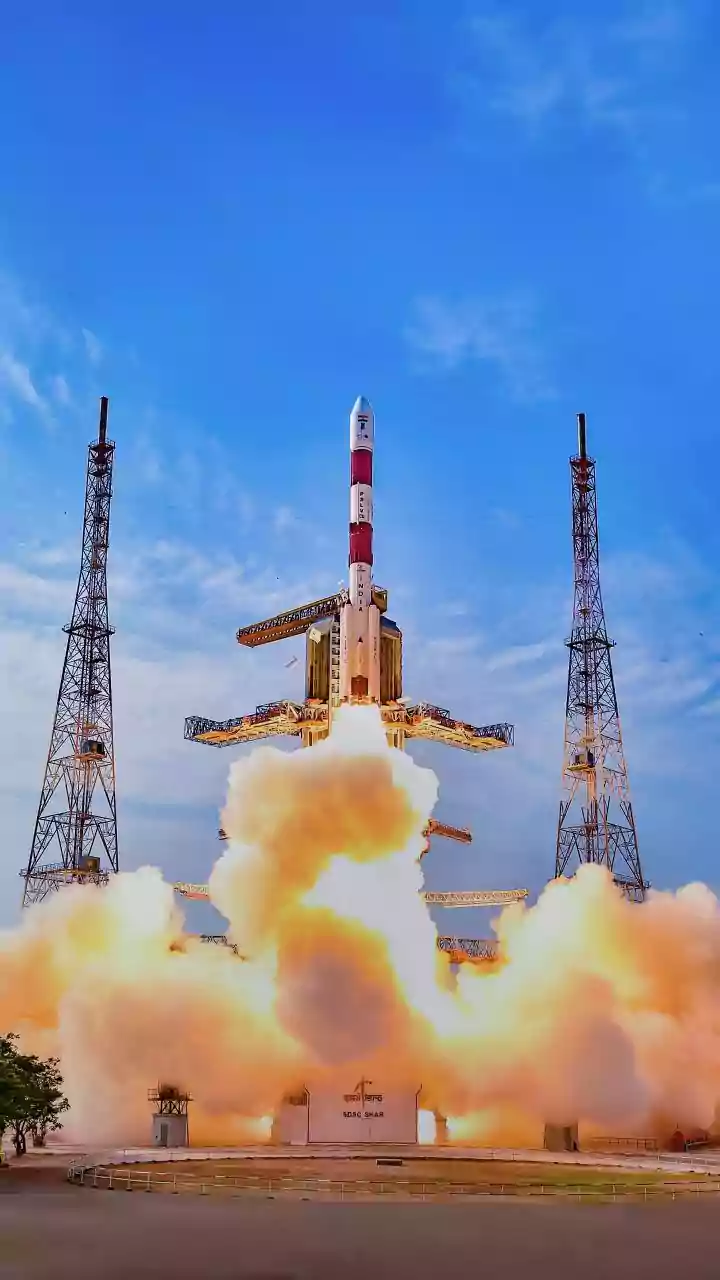
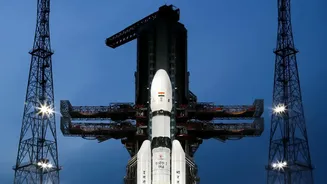
For decades, a career in India's space sector meant one thing: a coveted job at the Indian Space Research Organisation (ISRO). But the landscape is undergoing a seismic shift. The landmark Indian Space Policy of 2023 has thrown the doors wide open for
private companies, transforming a government-led programme into a dynamic, multi-billion-dollar industry. This policy strategically redefines roles, allowing ISRO to focus on cutting-edge research and development while empowering private players to take on everything from satellite manufacturing to launch services. Facilitating this transition is the Indian National Space Promotion and Authorisation Centre (IN-SPACe), which acts as a single-window agency to support and authorise private space activities, effectively rolling out the welcome mat for innovation and investment.
The Billion-Dollar Trajectory
The numbers paint a compelling picture. India's space economy is currently valued at around $9 billion and is projected to skyrocket to between $40 and $45 billion over the next decade. This exponential growth is fuelled by a surge in private investment and a flourishing startup culture. In just the first half of 2026, space-tech startups attracted over $113 million in funding. The number of registered space startups has grown from a single digit in 2014 to around 440 in 2026. This isn't just about small-scale experiments; companies like Skyroot Aerospace, which became the first private Indian firm to complete an orbital launch, and Pixxel, which provides hyperspectral satellite data to global clients like NASA, are proving their commercial and technical prowess. This economic expansion directly translates into jobs, with one study indicating the sector already supports 96,000 direct roles and has a significant multiplier effect on the wider economy.
More Than Just Rocket Science
The modern space industry is creating demand for a surprisingly diverse range of roles. While aerospace and mechanical engineers remain vital, the field has expanded far beyond traditional engineering. The most significant new demand is in software, data, and analytics. Companies like SatSure leverage satellite imagery for industries like agriculture and insurance, creating jobs for data scientists, AI/ML specialists, and GIS analysts. As spacecraft and ground stations become more complex, the need for software developers, embedded systems engineers, and cybersecurity experts is also soaring. Beyond STEM, the growing commercial ecosystem requires professionals in business development, finance, space law, and even marketing and communications. Companies like Dhruva Space list openings for bid managers and visual designers alongside senior engineers.
Skills for the New Space Age
To thrive in this new era, aspiring professionals need a blend of foundational and cutting-edge skills. A bachelor's degree in an engineering discipline (like aerospace, mechanical, or computer science) or a core science (like physics) remains the primary entry point. However, employers are increasingly looking for more. Proficiency in programming languages like Python and MATLAB, experience with CAD and simulation software, and a deep understanding of data analysis and machine learning are becoming essential. Robotics and autonomous systems are another critical area of growth as missions become more complex. Beyond technical expertise, private companies value soft skills like problem-solving, adaptability, and the ability to collaborate in fast-paced, multidisciplinary teams. For those looking to enter the field, internships at startups like Agnikul Cosmos, Pixxel, or Skyroot Aerospace offer an invaluable pathway to a full-time role.