


The Morning Rush
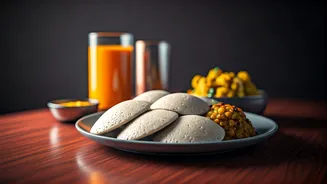
For generations, breakfast was a non-negotiable ritual in Indian households, from hot parathas in the north to fluffy idlis in the south. [15, 25] These meals were designed to provide sustained energy for a long day of manual work or study. [27, 29] However,
the rhythms of life have changed, especially in urban centers. Longer commutes, demanding work hours, and the rise of nuclear families mean that the time once dedicated to preparing elaborate morning meals has all but vanished. [4, 15] This time crunch is a primary driver behind the shift in breakfast habits. Young professionals and students are increasingly opting for speed and simplicity over slow, traditional cooking. [8, 24] The convenience of a quick, ready-to-eat meal has become a crucial factor in their morning routine.
A New Focus on Health
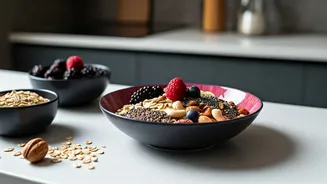
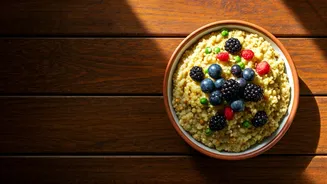
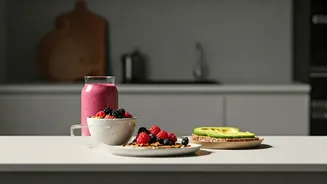
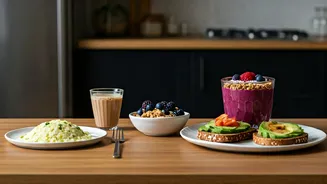
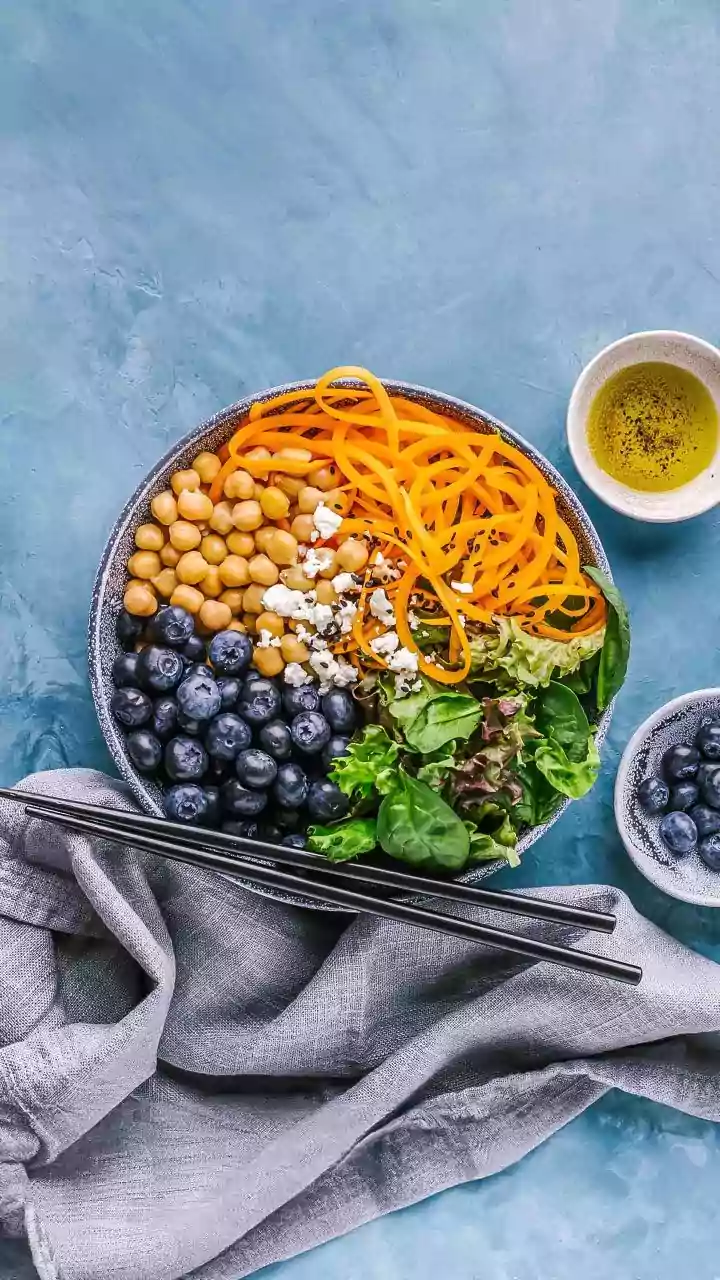
Parallel to the need for convenience is a powerful and growing consciousness around health and wellness, particularly among Millennials and Gen Z. [19] This generation is more nutritionally aware, often researching ingredients and seeking out foods that offer specific benefits. [20] The demand for breakfast options that are high in protein, rich in fiber, and low in sugar is surging. [8] This has fueled the explosive growth of the healthy food market in India, which is projected to expand significantly in the coming years. [3, 6] Products like oats, muesli, quinoa, and fortified cereals are no longer niche items but staples in many urban kitchens. [12, 15] This shift is also influenced by global trends and the information spread through social media, where food influencers often showcase healthy and aesthetically pleasing meals like smoothie bowls and overnight oats. [2, 20]
Convenience is King: The Rise of Ready-to-Eat
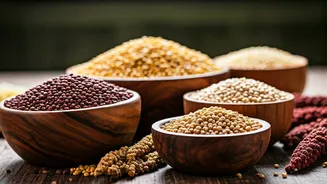
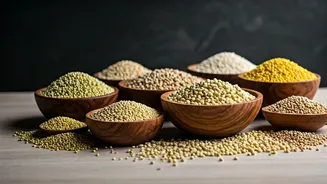
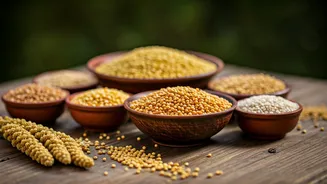
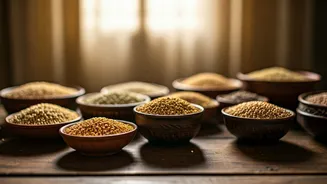
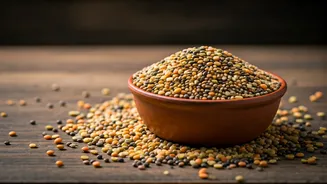
The Indian ready-to-eat market has seen remarkable growth, with the breakfast cereals segment leading the charge. [4] This category offers the perfect solution for the time-poor, health-conscious young Indian. Brands have responded with an array of products, from instant oats and muesli to breakfast bars and smoothies. [12, 18] The market is fiercely competitive, with both international and local players innovating to capture consumer interest. This includes offering products with traditional grains like millets and ragi, catering to a desire for familiar flavours in a modern format. [15, 27] The expansion of e-commerce and quick-commerce platforms has made these products more accessible than ever, allowing consumers to get their breakfast fix delivered in minutes. [6, 9]
Not a Farewell, But a Weekend Affair
This evolution doesn't necessarily mean the end of traditional Indian breakfasts. Rather than disappearing completely, meals like chole bhature, dosas, and aloo puri are being repositioned. For many young urbanites, these elaborate dishes are becoming a weekend indulgence or something to be enjoyed on special occasions with family. [2, 25] Weekday mornings may belong to oatmeal and smoothies, but weekends are reserved for the leisurely, nostalgic pleasure of a home-cooked traditional meal. This hybrid approach allows young Indians to balance their hectic modern lives with a connection to their culinary heritage. It’s a compromise that reflects a broader trend of blending global habits with local traditions. [2]
The New Indian Breakfast Plate
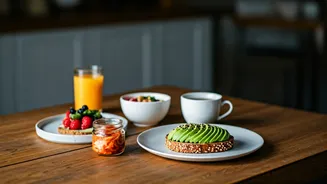
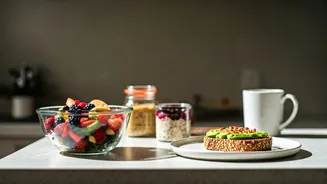
So, what does the modern Indian breakfast plate look like? It's a mix of old and new. It might be a bowl of masala oats one day, a protein smoothie the next, and a classic poha or upma on another. [23, 25] Some modify traditional recipes to make them healthier, such as adding more vegetables to upma or using less oil for parathas. [23] Others embrace global trends entirely, with avocado toast and pancakes making regular appearances. [25] This dietary diversification is a direct result of increased incomes, global exposure, and a desire for variety. [10, 17] The changing breakfast plate is more than just a food trend; it's a reflection of a dynamic, aspirational, and globally connected young India.