




What Are Microplastics and Should You Be Concerned?
Microplastics are tiny plastic particles smaller than five millimetres. They come from the breakdown of larger plastic items and are now found almost everywhere, including in our air, water, and food. In the kitchen, they can shed from containers, utensils,
and cookware, especially when exposed to heat or wear and tear. While research into the long-term health effects on humans is ongoing, studies have linked exposure to inflammation and have found particles in various human organs. The main concern is not just the plastic itself, but also the chemical additives they contain, some of which are known to be harmful. Reducing exposure is a proactive step towards a healthier home environment.
The Common Culprits: Plastics to Watch Out For
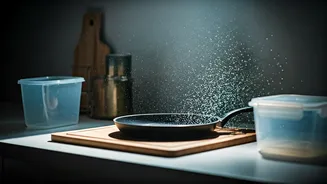
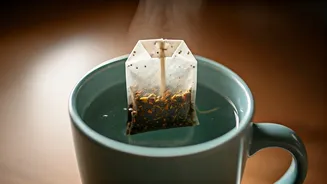
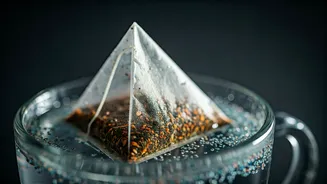
Certain kitchen items are more likely to be sources of microplastics. Plastic cutting boards are a major offender; studies show that the simple act of chopping can release millions of particles into your food each year. Non-stick pans, especially when scratched or overheated, can also shed thousands of tiny particles from their coatings. Plastic food storage containers, particularly when used for heating food in the microwave, are another significant source. Heating dramatically increases the rate at which microplastics and chemicals leach into your meal, even if the container is labelled "microwave-safe". Other items to be mindful of include plastic utensils like spatulas and spoons, which degrade with heat and use, and even some tea bags made with plastic mesh.
How to Spot Problematic Plastics
Identifying safer plastics can feel tricky, but the recycling codes on the bottom of containers offer a clue. These numbers, from 1 to 7, identify the type of plastic resin. As a general rule for food contact, it's best to avoid plastics with codes 3 (PVC), 6 (Polystyrene), and 7 (Other, which can include polycarbonate/BPA). PVC can leach phthalates, and polystyrene can release styrene, a possible carcinogen. Plastics with codes 2 (HDPE), 4 (LDPE), and 5 (PP) are generally considered safer for food contact, with number 5 (Polypropylene) often used for microwave-safe containers. However, the safest approach is to avoid heating any plastic. Visually inspect your items: if a plastic container, utensil, or cutting board is heavily scratched, stained, or warped, it’s time to replace it, as damage increases the likelihood of shedding particles.
Smart Swaps for a Lower-Plastic Kitchen
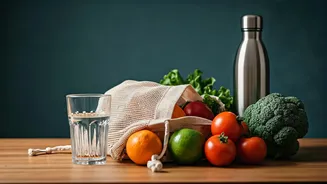
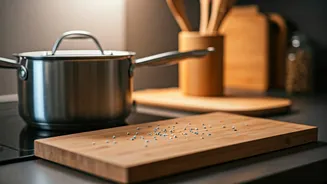
Reducing microplastic exposure doesn't require a total kitchen overhaul overnight. Start with simple, effective swaps. Replace your plastic cutting boards with ones made of wood or bamboo. For food storage, switch to glass or stainless steel containers. Not only do they not leach chemicals, but they are also more durable and versatile—you can store, freeze, and reheat food in the same glass dish. When it comes to cooking, opt for utensils made from stainless steel, wood, or bamboo instead of plastic. For cookware, cast iron, stainless steel, and high-quality ceramic are excellent alternatives to non-stick pans. These materials are stable at high heat and won't release plastic particles into your food.
Daily Habits That Make a Difference
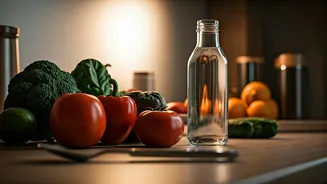
Beyond swapping items, small changes in your daily routine can further limit exposure. The most crucial habit is to avoid microwaving food in plastic containers. Always transfer food to a glass or ceramic dish before heating. When possible, buy fresh, unpackaged foods to reduce contact with plastic packaging. Consider filtering your tap water, as some filters can reduce microplastic content, although be wary of pitcher filters with plastic components that can degrade. Use natural cleaning sponges made of cellulose or coconut coir instead of synthetic ones. And when you get takeout, transfer the food out of the plastic containers as soon as you get home, especially if the food is hot.