




Map Out the Festivals
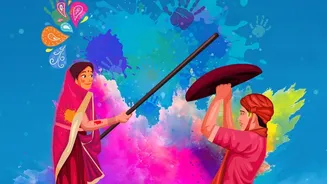
October is the heart of India's festival season, but the main events vary by region and date. For 2026, the calendar is packed. Navratri, the nine-night festival, begins around October 8th, culminating in Dussehra (also known as Vijayadashami) on approximately
October 17th to 21st, depending on the specific traditions. This is celebrated with fervent Garba dances in Gujarat, elaborate pandal-hopping during Durga Puja in Kolkata, and dramatic Ramlila plays in the north. Also, note that while the grand 'Festival of Lights', Diwali, falls in early November 2026, the celebratory build-up, shopping, and festive atmosphere will be palpable across the country by late October. Knowing which festival you want to experience will determine your entire itinerary, from which cities to visit to how you'll travel between them.
Book Flights and Trains Immediately
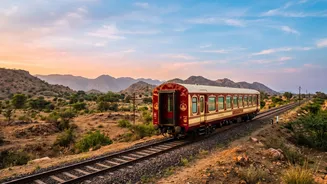
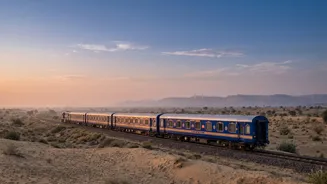
This cannot be stressed enough: transportation during festival season is in exceptionally high demand. Millions of Indians travel home to be with their families, causing flight and train tickets on popular routes to sell out months in advance. As of mid-September, you are already heading into the peak booking period. Prices for flights will only climb, and train reservations, especially in air-conditioned coaches, will become nearly impossible to secure. Use official booking websites or reputable travel agents to lock in your long-distance travel as soon as your itinerary is fixed. For navigating congested city roads during celebrations, consider hiring a private car and driver, as they often know alternate routes to bypass the worst of the traffic.
Secure Your Accommodation Now
Just like transport, hotels, guesthouses, and homestays in key festival cities get booked solid. Destinations like Kolkata for Durga Puja or cities in Rajasthan and Varanasi for their unique pre-Diwali charm see occupancy rates soar. Prices can also increase significantly during this peak period. To avoid disappointment and inflated rates, make your accommodation bookings your top priority after flights. Booking several months ahead is the standard recommendation, so acting now is critical. Look for places with good reviews regarding security and accessibility, especially if you plan to be out late for festivities.
Plan for Post-Monsoon Weather
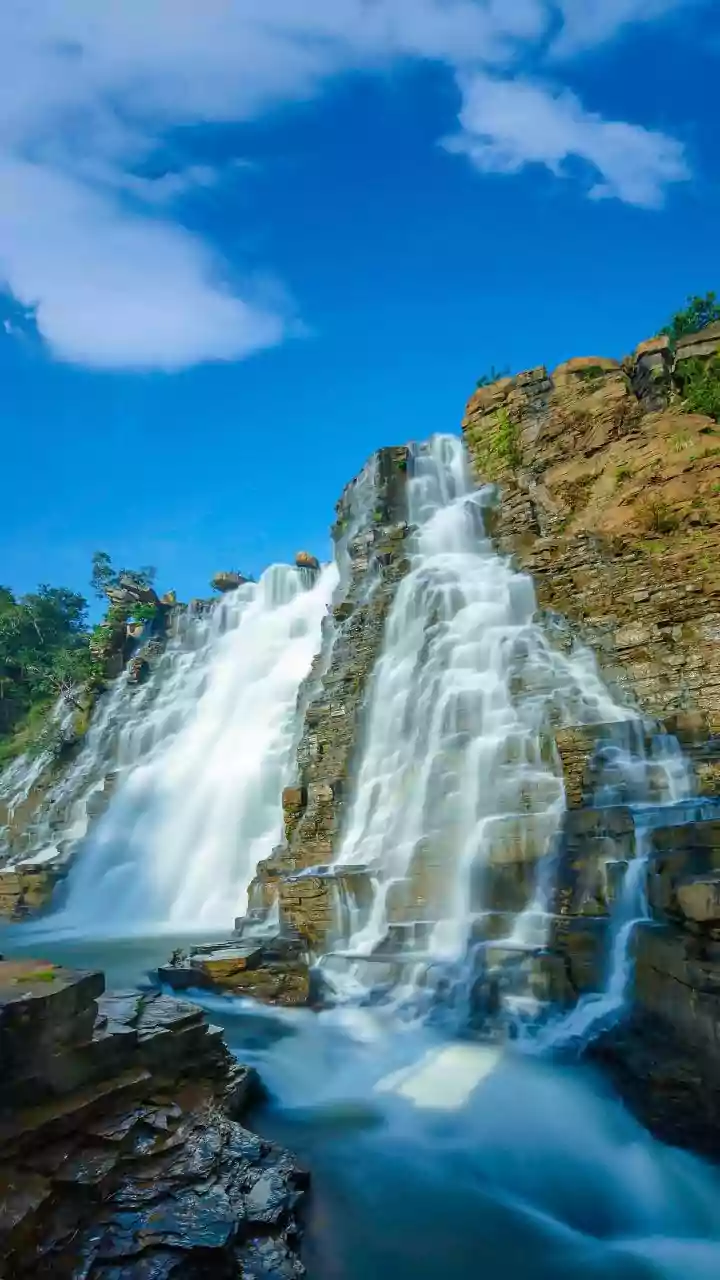
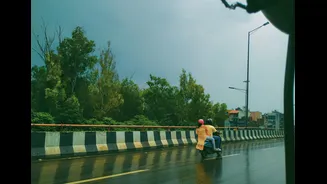
October marks a beautiful transition in India’s climate. The monsoon has typically withdrawn from most of the country, leaving behind lush green landscapes and clear, blue skies. In North India, including the Golden Triangle (Delhi, Agra, Jaipur), you can expect warm, dry days with highs around 30°C and pleasantly cool evenings. However, the south-eastern coast, including Tamil Nadu, begins to receive its own northeast monsoon from mid-October, so it can be quite wet. Pack light, breathable clothing for the daytime, but include a jumper or a light jacket for cooler nights, especially in northern regions.
Prioritise Health and Safety
A trip to India requires some health groundwork. Consult a doctor or travel clinic well in advance to discuss recommended vaccinations, such as for Typhoid and Hepatitis A. Malaria risk varies by region, so get specific advice based on your itinerary. During your trip, stick to bottled water with an intact seal and be mindful of street food, opting for busy stalls where food is cooked fresh. Travel insurance is non-negotiable. Ensure it covers medical emergencies, theft, and cancellations. While India is generally safe for tourists, it’s wise to be vigilant in crowded places, dress modestly, and be aware of your surroundings to avoid petty crime or scams.
Verify Visa and Document Requirements
Before you book anything, ensure your passport is valid for at least six months beyond your planned departure date from India. Most foreign nationals require a visa to enter the country. The e-Visa system is available for many nationalities and is generally straightforward, but you must apply online in advance. Do not leave this to the last minute. Check the official Government of India visa portal for the most current requirements and application procedures for your specific citizenship. Keep digital and physical copies of your passport, visa, and flight confirmations separate from the originals.