





A Significant Price Correction
A primary driver behind the sales boom was a helpful correction in gold prices. According to the India Bullion and Jewellers Association (IBJA), prices fell significantly from a peak of around ₹1.8 lakh per 10 grams earlier in the year to approximately
₹1.42 lakh during the Dhanteras-Diwali period. This dip made the precious metal more accessible and encouraged many consumers who had been waiting on the sidelines to finally make their purchases. Bullion dealers noted that this price drop provided a strong added incentive for retail buyers who were already planning to purchase gold for auspicious reasons during Diwali.
Pent-Up and Wedding Season Demand
The market witnessed the release of significant pent-up demand. Industry experts noted that many consumers had previously postponed their gold purchases. The lower prices, combined with the festive spirit, created a perfect storm for these deferred purchases to finally happen. Adding to this was the strategic timing of the wedding season, which kicks off in mid-November. Many families used the Dhanteras-Diwali period to buy gold in advance for upcoming weddings, a major driver of gold consumption in India. Jewellers reported that this convergence of festive and wedding buying created a robust sales environment.
The Power of Auspicious Timing
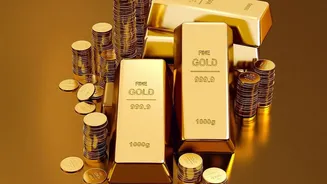
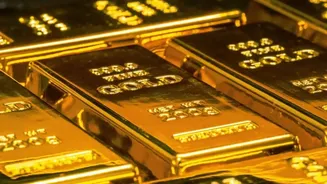
Culture and timing played a crucial role. Buying gold during Dhanteras and Diwali is considered a sign of good fortune and prosperity. This year, the festivals fell at the beginning of November, a time when most salaried employees receive their monthly pay and festive bonuses. This resulted in healthy cash flow in the market, encouraging consumers to shop with enthusiasm. According to the IBJA, an estimated 52 tonnes of gold, valued at around ₹72,000 crore, were purchased during the festive celebrations this year, underscoring the deep-rooted cultural importance of this tradition.
Changing Consumer Preferences
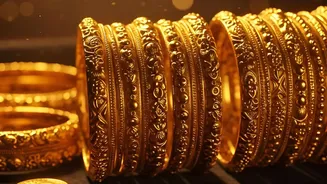
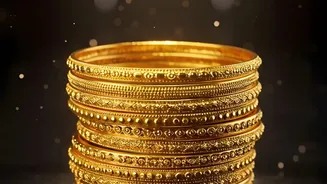
While overall sales volume surged, jewellers also observed a shift in what consumers were buying. With prices still relatively high compared to previous years, many buyers opted for lightweight jewellery and smaller-ticket items. There was a noticeable increase in demand for jewellery in the 14-carat and 18-carat categories, as opposed to the traditional 22-carat. This trend allowed consumers to participate in the tradition of buying gold without straining their budgets. This smart shift indicates that while the desire for gold remains strong, buyers are becoming more strategic and budget-conscious in their purchasing decisions.
What This Signals for the Economy
The strong festive sales are being interpreted by many as a positive signal for the Indian economy. The significant increase in discretionary spending on a high-value item like gold suggests a revival in consumer confidence. While some analysts point out that rural demand could be affected by a weak monsoon, the overall sentiment in the market was overwhelmingly positive. The performance of listed jewellery companies and the bustling scenes at jewellery stores across the nation point to a resilient consumer base that continues to place its trust in gold as both an investment and a vital cultural touchstone.