

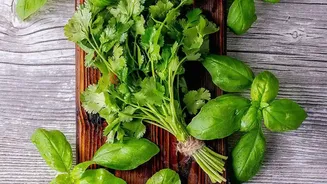
Why Start a Balcony Herb Garden?
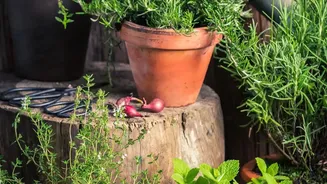
The appeal of a balcony herb garden goes far beyond simple aesthetics. It's a direct route to fresher, more flavourful cooking, allowing you to snip your own ingredients moments before you need them. This practice significantly reduces waste, as you harvest
only what you require, unlike store-bought bunches that often wilt in the fridge. Beyond the culinary benefits, tending to plants is a well-known stress reliever, offering a therapeutic escape from the hustle of urban life. Growing your own herbs ensures they are free from harmful pesticides and connects you more deeply to the food you consume. It’s a small but powerful step towards a more sustainable and mindful lifestyle, all from the comfort of your apartment.
Essential Herbs for the Chennai Climate
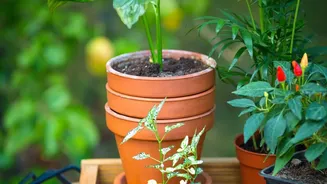
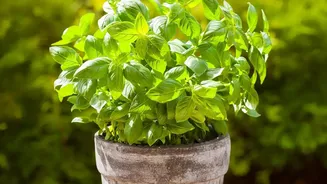
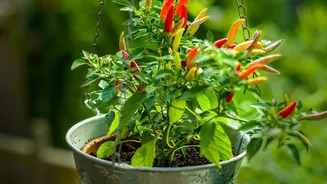
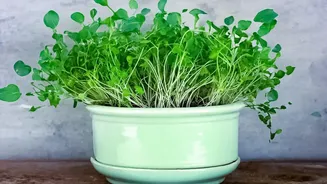
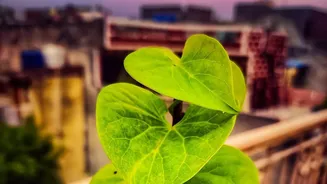
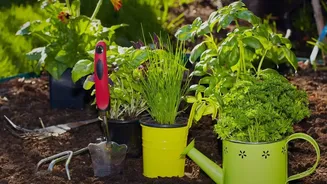
Chennai's warm and often humid climate is ideal for a variety of flavourful herbs that are staples in Indian cooking. Tulsi (Holy Basil) is a must-have; it's hardy, thrives in sunlight, and is prized for both its culinary and medicinal uses. Mint (Pudina) is another excellent choice, as it grows quickly in pots and prefers partial sun, making it perfect for balconies that don't get direct light all day. No South Indian kitchen garden is complete without a Curry Leaf plant, which flourishes in tropical conditions. Coriander (Dhania) can be grown with ease in shallow containers, providing fresh leaves for garnishing. For a bit of spice, Green Chillies grow well in pots with at least six hours of sun. Ajwain (Carom) is another robust herb that does well in pots and can handle the heat.
Maximising Space with Smart Containers
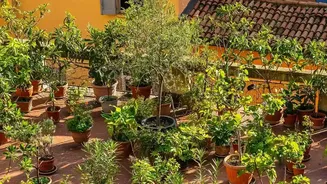
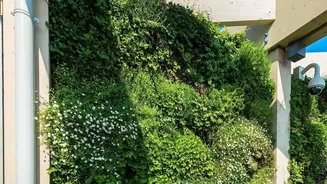
The key to a productive small-space garden is thinking vertically. Instead of cluttering your limited floor space, use your walls and railings to expand your planting area. Vertical wall-mounted racks or modular panels allow you to create a lush green wall of herbs. Railing planters are perfect for keeping the floor clear and adding a decorative touch. Tiered plant stands or repurposed ladders can hold multiple pots at different levels, creating visual interest and maximising your growing capacity. Hanging baskets are another great option, especially for trailing herbs, and can be suspended from the ceiling or balcony grills. Even upcycled materials like plastic bottles or wooden crates can be transformed into creative and budget-friendly vertical planters.
Sunlight, Soil, and Watering Wisdom
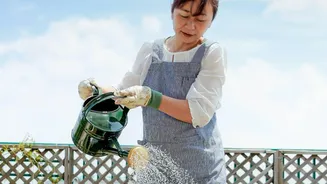
Understanding the basics of plant care is crucial for success. Most herbs require about five to six hours of sunlight daily, making a south or west-facing balcony ideal. However, if your balcony is shadier, don't despair; herbs like mint and coriander can tolerate partial shade. When it comes to soil, a well-draining mix is essential. You can create your own by combining garden soil, cocopeat for moisture retention, and compost or vermicompost for nutrients. The most common mistake beginners make is overwatering. A good rule of thumb is to stick your finger about an inch into the soil; if it feels dry, it's time to water. Ensure every pot has drainage holes to prevent waterlogging, which can lead to root rot.
Harvesting for Continuous Growth
The joy of an herb garden lies in the harvest. To ensure your plants keep producing, it’s important to harvest them correctly. For leafy herbs like mint, basil, and coriander, regular trimming encourages bushier growth. Snip off the top leaves, which will prompt the plant to send out new side shoots. For coriander and fenugreek (methi), you can use the 'cut and come again' method: simply cut the leaves you need, leaving the base and roots intact, and the plant will regrow for multiple harvests. Never harvest more than one-third of the plant at a time, as this can cause stress. Regular harvesting not only provides you with fresh ingredients but also keeps the plants healthy and productive throughout the season.