






Beyond Your Basic Skin Type
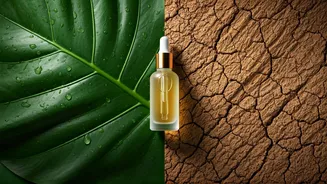
For years, the beauty industry has categorized us into neat little boxes: oily, dry, combination, or sensitive. But this approach overlooks a crucial factor: our environment. Climate-adapted skincare, also known as geoskincare, moves beyond static labels.
It’s a personalized approach that considers the dynamic interplay between your skin and your surroundings, including temperature, humidity, UV exposure, and pollution. The core idea is simple yet revolutionary: your skincare should adapt to where you are and what your skin is experiencing right now, not just a predetermined type. This means the products that work wonders in a dry, cold climate might be all wrong for a hot and humid one.
How Climate Changes Your Skin
Different environments place different demands on your skin. In hot, humid climates, pores can feel clogged as increased sweat and oil mix with environmental grime, making you more prone to breakouts. Here, lightweight, non-comedogenic (non-pore-clogging) products are key. Gel moisturizers and serums with ingredients like hyaluronic acid and niacinamide provide hydration without feeling heavy or suffocating. Conversely, cold, dry climates strip the skin of its natural moisture, leading to a compromised skin barrier, flakiness, and irritation. In these conditions, your skin craves richer, more nourishing products. Emollient creams containing ingredients like ceramides, squalane, and shea butter help to lock in moisture and protect the skin's delicate barrier.
The Urban Factor: Pollution's Role
If you live in a city, you’re not just battling weather; you're also dealing with pollution. Airborne particles from industrial emissions and traffic can land on the skin, causing oxidative stress that leads to premature aging, inflammation, and hyperpigmentation. This has fueled the rise of anti-pollution skincare, designed to create a protective shield on the skin's surface. These products are often packed with antioxidants like vitamins C and E, ferulic acid, and plant extracts, which work to neutralize damaging free radicals before they can harm your skin cells. Ingredients like niacinamide (Vitamin B3) and retinoids (Vitamin A derivatives) also help by strengthening the skin's barrier and repairing existing damage.
Building a Climate-Adaptive Routine
You don't need to throw out your entire cabinet to adopt a climate-fit approach. It's more about making smart, seasonal adjustments. Pay attention to how your skin feels. As you transition from winter to summer, you might swap a heavy cream for a lightweight lotion. When traveling from a temperate zone to a tropical one, pack a foaming cleanser and oil-free sunscreen. Many modern skincare brands are formulating products specifically for this purpose, creating adaptive serums and moisturizers that feel light yet nourishing. The key is flexibility and listening to your skin's needs as they change with the forecast.
Is It Just a Trend?
While the term might be new, the concept is rooted in dermatological science. Skin is exquisitely sensitive to environmental shifts, and conditions like eczema, rosacea, and acne can often be triggered or worsened by changes in temperature and humidity. The growing awareness of climate change's broader effects has brought this into sharper focus, highlighting that our skin needs protection from more than just the sun. This move toward personalization reflects a smarter, more intuitive way of thinking about skincare, one that treats the skin as the complex, responsive organ it is. It empowers you to make informed choices based not just on a label, but on your life.