




First Clues: Speed and Appearance
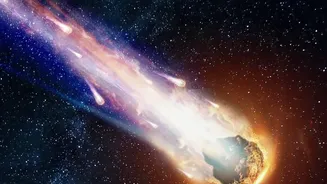
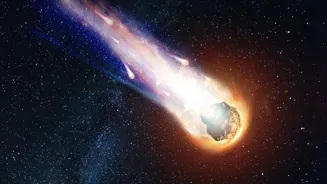
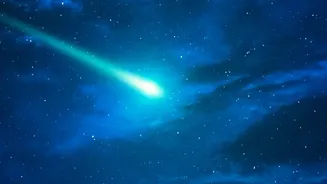
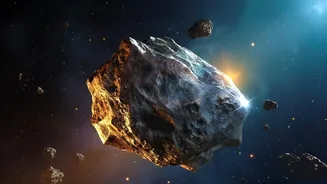
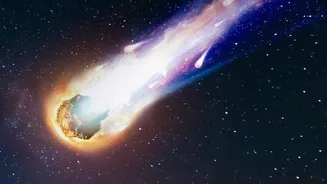
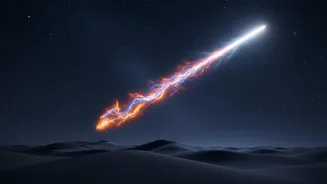
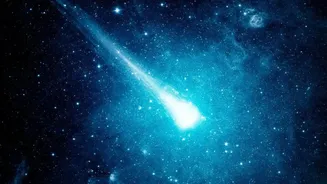
When a fireball lights up the sky, the first characteristics that scientists analyze are its speed and duration. Natural meteoroids, hailing from the asteroid belt or beyond, slam into Earth's atmosphere at tremendous speeds, ranging from 11 to 72 kilometers
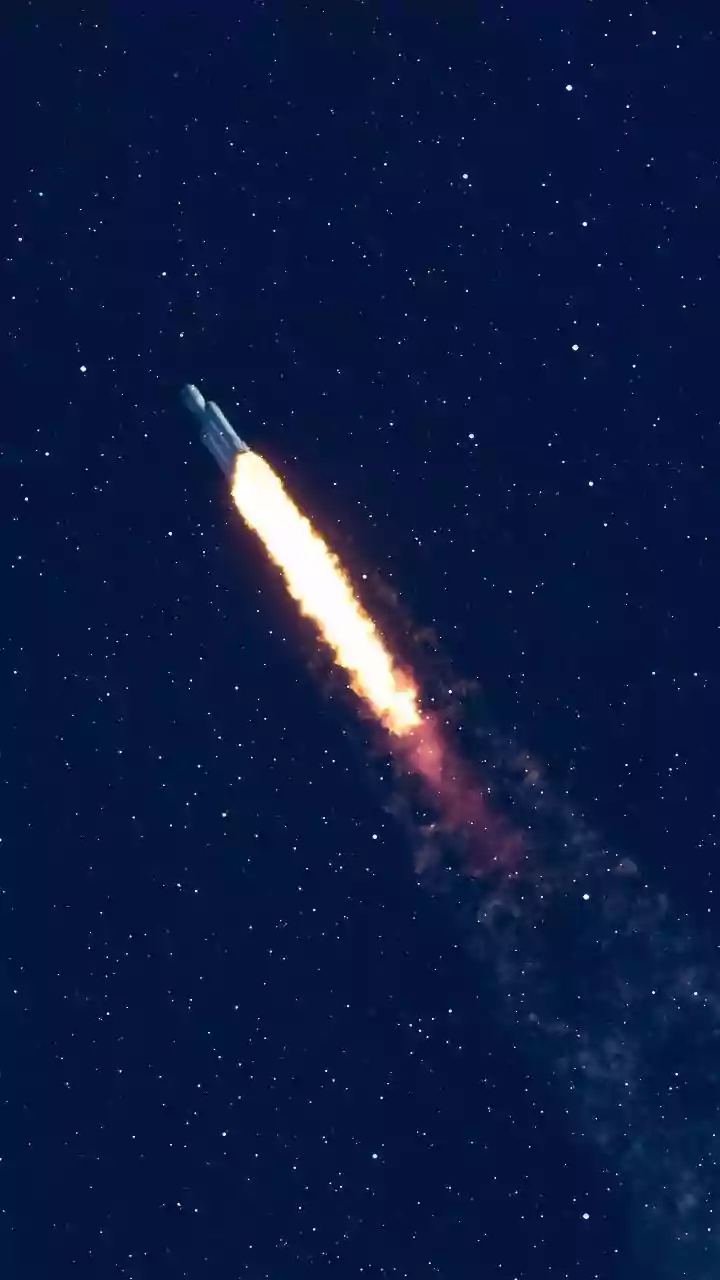
per second. Their journey through the atmosphere is typically a fiery, brilliant flash lasting only a few seconds. In contrast, human-made space junk, which is already in Earth's orbit, re-enters the atmosphere at a comparatively leisurely pace of around 8 kilometers per second. This slower speed and shallower entry angle mean it can remain visible for much longer, sometimes for a minute or more, often breaking into multiple glowing fragments that travel in a cluster.
Reconstructing the Path
To definitively identify an object, researchers must calculate its orbit. This is done by triangulating its path using data from multiple sources, including a growing number of all-sky camera networks, eyewitness reports, and even weather radar, which can sometimes detect falling meteorite fragments. By combining these observations, scientists can work backward, plotting the object's trajectory through the atmosphere and back out into space. This reconstruction reveals the object's original flight path, which is the ultimate key to its identity.
The Story Told by a Meteor's Orbit
If the calculated orbit shows the object came from the asteroid belt, the Oort cloud, or even from another planet like Mars, it's confirmed as a natural meteoroid. The orbit of a meteor is a treasure trove of information. It can reveal the object's origin, helping scientists map the distribution of different types of asteroids and cometary debris throughout the solar system. These space rocks are essentially time capsules. By studying their composition and trajectory, we learn about the raw materials that formed our planets 4.6 billion years ago. Analyzing these paths helps us understand the history and evolution of our cosmic neighborhood and even how the building blocks of life may have been delivered to Earth.
Why We Track Space Junk
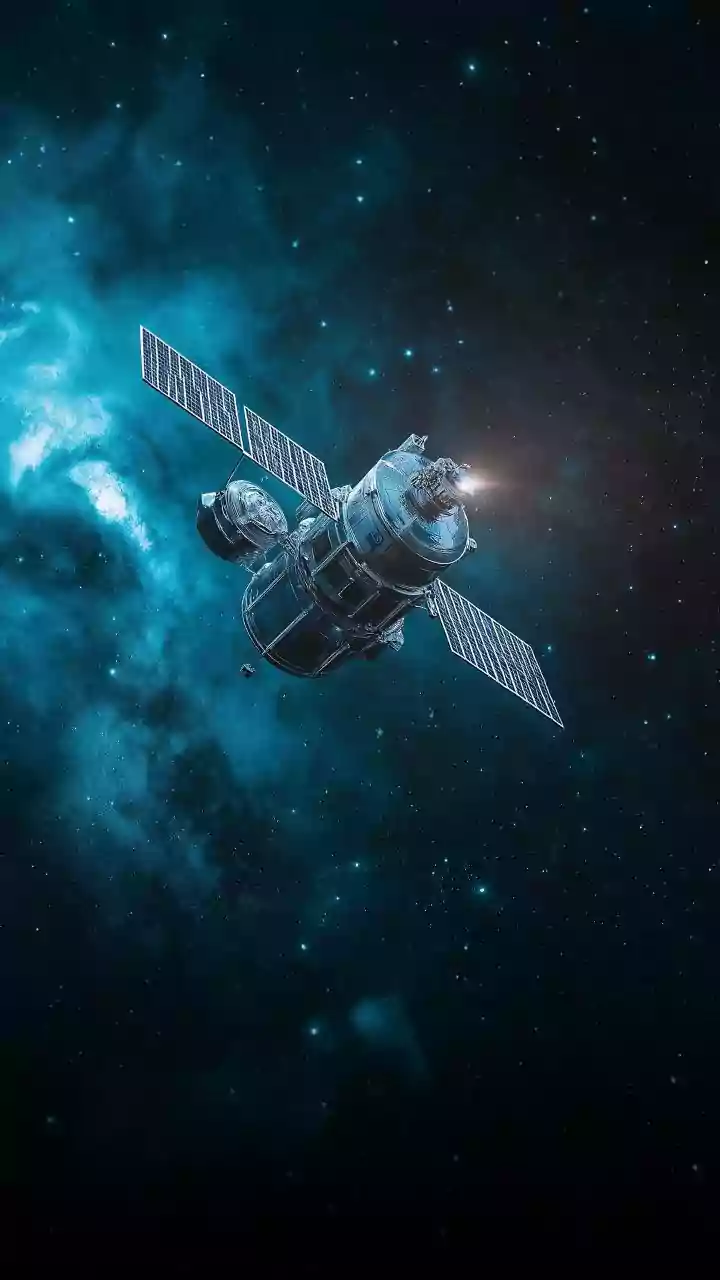
If the object's path is traced back to a decaying orbit around Earth, it's identified as space junk—a defunct satellite, a spent rocket stage, or a fragment from a past collision. While less romantic than a visitor from deep space, tracking the orbits of debris is critically important. There are thousands of cataloged pieces of debris, and countless more that are too small to track, all posing a threat to active satellites that provide us with everything from GPS navigation and weather forecasting to global communications. By monitoring their orbits, agencies can predict re-entry times and locations, ensuring public safety. More importantly, this data is crucial for collision avoidance, protecting billion-dollar assets and the vital infrastructure they provide. Understanding these orbits is key to managing the growing problem of orbital debris and ensuring the future of space exploration and commerce.
A Rock or a Rocket? Science Wins Either Way
Recent years have seen a surge in fireball reports, sparking debate about whether we're seeing more natural events or the consequences of an increasingly crowded orbital environment. A recent spectacular fireball over the Pacific Northwest in August 2026, for example, was confirmed by NASA to be a 170-pound piece of an asteroid. Analysis of its path and fragmentation provided valuable data. Each event, whether it's a meteoroid from the asteroid belt or a piece of re-entering debris, serves as a valuable data point. The science of tracking these objects is a dual-purpose endeavor. It simultaneously allows us to look back in time to the formation of our solar system and look forward to protect our future in orbit.