


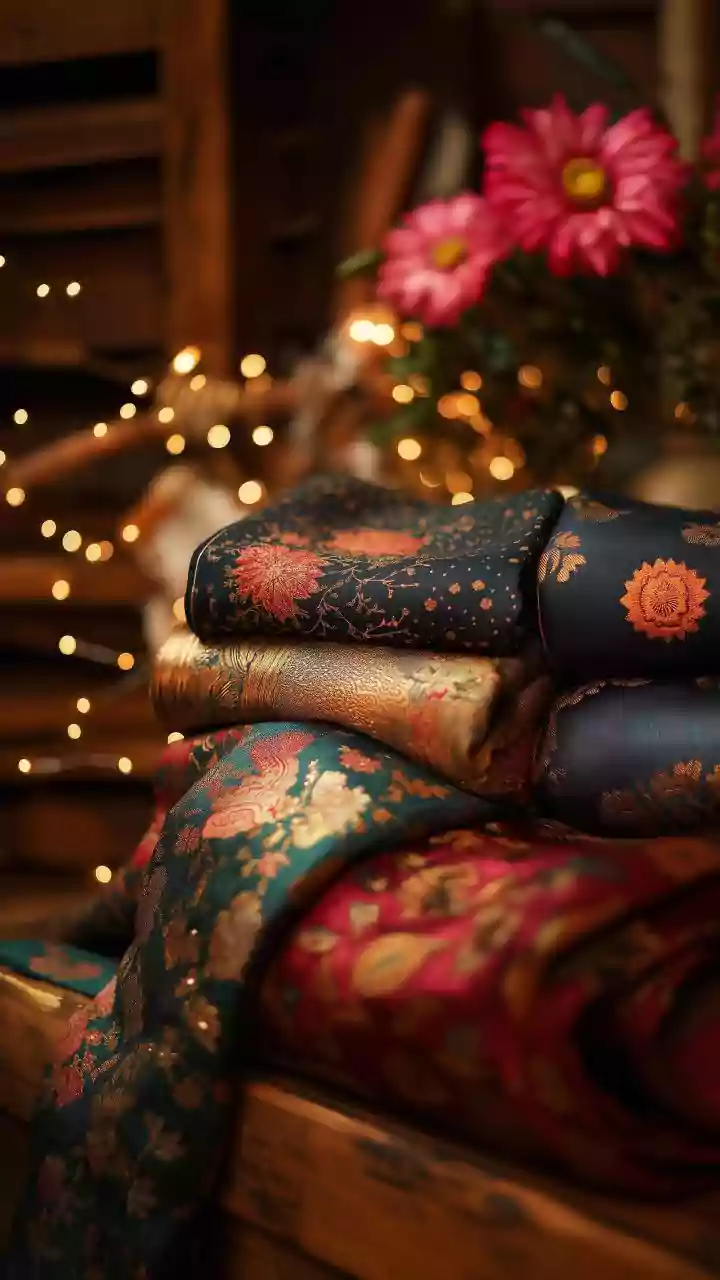



What Exactly is Akwete Cloth?
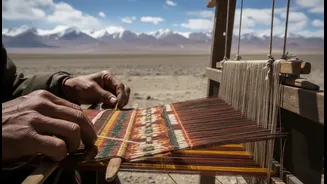
Akwete cloth is a unique handwoven textile originating from the Igbo town of Akwete in Abia State, Nigeria. Unlike other fabrics woven in narrow strips, Akwete is produced on a wide, vertical loom, traditionally operated by women. This allows for the creation
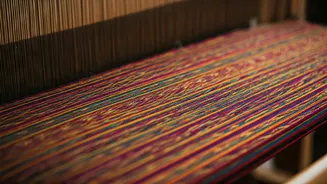
of broad, seamless panels of fabric. Historically crafted from materials like raffia and sisal-hemp for ceremonial and ritual purposes, today's weavers predominantly use cotton, rayon, and silk to create textiles known for their intricate, brocaded look and vibrant colours. The fabric can be single-faced or double-faced, meaning the elaborate motifs are visible on one or both sides.
A Legacy Woven by Women
The history of Akwete is a story of female ingenuity. The craft is passed down from mothers to daughters, and it's considered a skill young girls begin learning as soon as their arms are long enough to work the loom. While the exact origins are debated, the transformation of Akwete weaving in the 19th century is often credited to a legendary weaver named Dada Nwakwata. Inspired by imported textiles she encountered through trade, she began to innovate, unravelling foreign threads to study their structure and developing new, complex patterns that were entirely her own. She is remembered as a pioneer who elevated the craft from a part-time activity into a full-time profession for many women in the community.
The Language of the Loom
Akwete cloth is more than just a decorative textile; it's a form of communication. Weavers are said to know over a hundred different motifs, each with a specific name and meaning. Some patterns are inspired by nature or dreams, while others represent social status, wealth, or historical events. Traditionally, certain designs were reserved exclusively for royalty. For example, the 'Ikaki' motif, which represents a tortoise, was a symbol of chieftaincy and wisdom, and it was once forbidden for non-royals to wear it. Other patterns, like the 'Ebe,' were believed to act as protective talismans for pregnant women or warriors. Weavers often hold unwritten copyrights to new designs, which are sometimes considered gifts of divine inspiration.
From Tradition to the Modern Wardrobe
Once reserved primarily for ceremonial wrappers, Akwete is experiencing a powerful resurgence in contemporary fashion. A new generation of Nigerian designers is embracing the fabric, drawn to its cultural weight and versatility. Brands like Emmy Kasbit, founded by Emmanuel Okoro, have brought Akwete to international runways, fashioning it into modern silhouettes like structured jackets, capes, and tailored suits. This revival has been championed by cultural figures like author Chimamanda Ngozi Adichie and was notably highlighted when former British Prime Minister Theresa May wore a custom Akwete jacket during a visit to Nigeria. This fusion of heritage craft with modern design is helping to introduce Akwete to a global audience and secure its place in 21st-century style.
How to Appreciate True Akwete
For the discerning craft lover, appreciating Akwete involves recognising the skill embedded in each piece. The handwoven texture is distinct from machine-printed imitations. Look for the complexity of the patterns, which are woven directly into the fabric, not printed on top. The quality is also evident in the materials, whether it's the traditional feel of cotton or the lustre of silk and rayon threads. An authentic Akwete cloth is a labour of love that can take a weaver several days to complete, depending on the complexity of the design. Each piece carries the signature of its creator and the deep cultural heritage of the Igbo people, making it not just a garment, but a work of art.