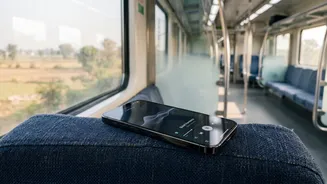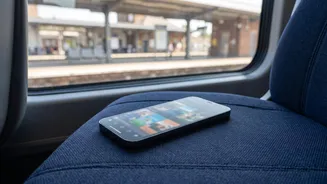





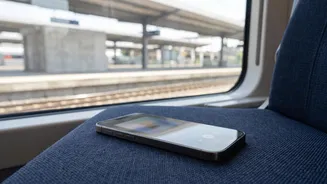

The Sound of Silence: What the Rule Says
Indian Railways has issued a stern advisory targeting a common passenger grievance: the playing of media on mobile phones without earphones. Following numerous complaints, railway zones, including the Southern Railway, are taking a firm stance. The directive
is simple and clear: passengers must use earphones or headphones for any personal audio or video consumption. The rule extends beyond just music; it covers watching videos, reels, or movies on speaker and engaging in loud phone conversations, especially during night hours. This measure is designed to ensure a more peaceful and comfortable environment for all travellers in shared public spaces like train compartments and on station premises.
Why Now? A Response to Passenger Complaints
This crackdown is not a sudden whim but a direct response to a rising tide of passenger complaints. For years, travellers have voiced their frustration over the disturbance caused by fellow passengers creating a personal soundscape in a public coach. The Railway Board had previously issued guidelines on this matter as far back as 2012, but enforcement remained a challenge. However, a renewed focus, backed by recent amendments to the Railways Act, has given railway authorities stronger legal footing to act. The Southern Railway, for instance, has specifically cited the nuisance factor and the adverse impact on passenger comfort as the primary drivers for this intensified enforcement drive.
The Cost of Noise: Penalties and Enforcement
Ignoring the advisory could lead to more than just disapproving glares from fellow passengers. Under Section 145 of the Railways Act, creating a nuisance on railway property is a punishable offence. For a first-time violation, passengers found causing a disturbance can be fined up to ₹1,000 and may even be removed from the train. If a passenger persists in causing a nuisance despite warnings from railway staff, the penalties can become much more severe, potentially including imprisonment for up to six months and a fine of up to ₹5,000. Authorised personnel, including Ticket Examiners (TTEs) and other commercial staff, have been empowered to enforce these rules and impose penalties on the spot.
A Broader Code of Conduct
The advisory on loud music is part of a wider push for better passenger etiquette on trains. The rules of courtesy extend to several other common behaviours. This includes speaking softly on mobile phones, particularly after 10 p.m., to allow fellow passengers to sleep. Railway staff are also instructed to ensure lights are switched off in sleeping berths during night hours, barring the night lamps. The goal is to create a set of shared norms that respect the fact that a train journey, especially a long-distance one, is a shared experience in a confined space. Groups of passengers are also discouraged from talking loudly late into the night.
Spreading the Word
To ensure passengers are aware of these rules, railway zones are launching awareness campaigns. The Southern Railway has directed its divisions to make regular announcements over public address systems at stations and on trains. These announcements will be made in English, Hindi, and regional languages to ensure wide comprehension. Additionally, notices and stickers will be displayed prominently inside coaches, serving as constant reminders of the expected conduct. The success of this initiative hinges not just on penalties, but on creating a culture of mutual respect, where passengers are mindful of how their actions affect those around them. While passengers have largely welcomed the move, many have also stressed that consistent enforcement will be the key to its effectiveness.