


Rethink the 'Must-See' List
The very idea of a universal 'must-see' list is the root of the problem. For decades, we’ve been told that a successful trip to the West involves seeing the Grand Canyon, or that a visit to Utah isn't complete without hiking The Narrows in Zion. This
checklist mentality funnels millions of people into the exact same square miles of earth, all searching for an identical experience. The result? Overcrowding, reservation lotteries just to get on a trail, and a manufactured sense of adventure. The first step to beating the crowds is to question the list itself. Instead of asking 'What am I supposed to see?', ask 'What do I want to feel?'. If the answer is solitude, wonder, or genuine discovery, the path likely leads away from the top-ten listicles and toward a more personal definition of travel.
Embrace the 'Shoulder Season'
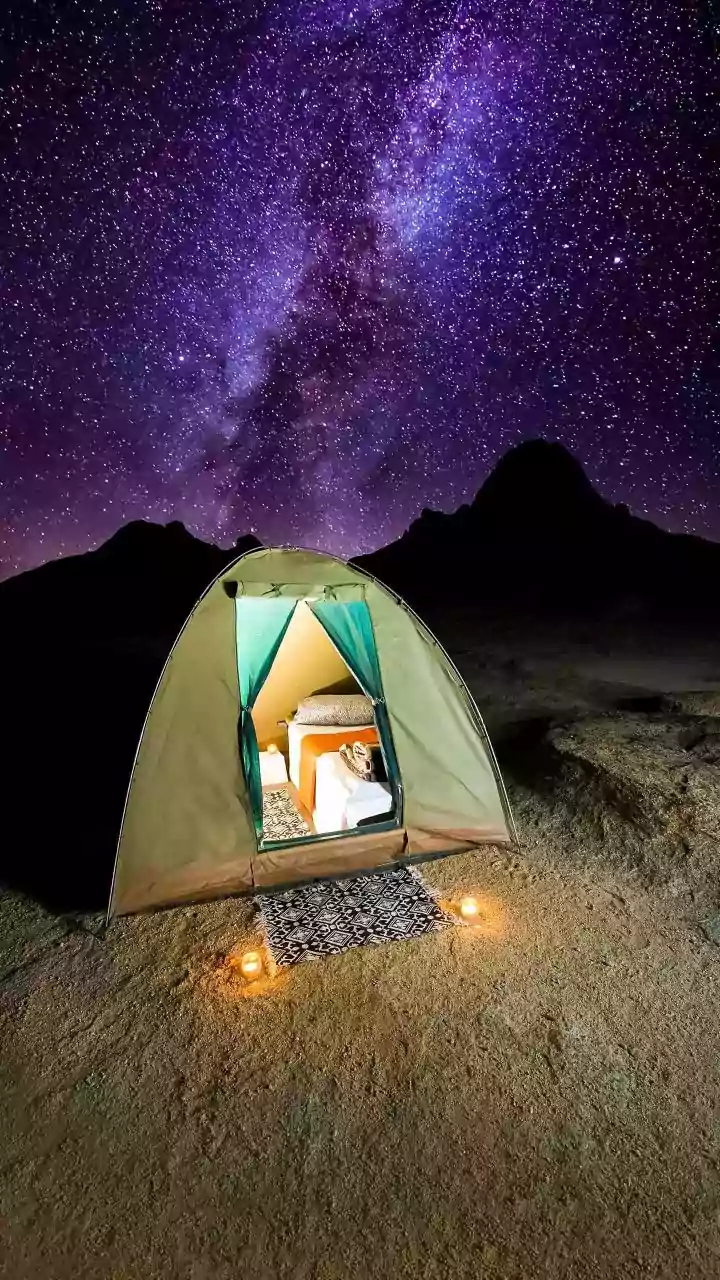
Even the most popular destinations have an off-switch. The 'shoulder season'—the period just before or after peak season—is your golden ticket. Think of the New England coast in late September when the air is crisp and the summer crowds have vanished, but the lobster rolls are still plentiful. Consider a trip to the desert Southwest in November, when the daytime temperatures are perfect for hiking and the star-gazing is unparalleled. You get the same world-class geography with a fraction of the people. This strategy requires a small trade-off—maybe the weather isn't 'perfect' by brochure standards, or a few seasonal shops are closed—but the reward is immense: space, quiet, and a sense that the place belongs to you, not the masses.
Discover America's 'Second Cities'
For every New York, there’s a Philadelphia. For every Chicago, a Milwaukee. For every Nashville, a Richmond. These 'second cities' aren't second-rate; they're just less hyped. They offer a potent mix of great food, vibrant culture, walkable neighborhoods, and rich history without the crushing crowds or inflated prices of their more famous counterparts. In these places, you’re less likely to feel like a tourist on a conveyor belt and more like an explorer. You'll stumble upon a fantastic brewery not because it was on a blog, but because you were just walking by. You'll find world-class museums with room to breathe and restaurants where you can actually get a reservation. Trading superstar cities for their up-and-coming rivals is one of the easiest ways to have a more relaxed and authentic urban getaway.
Fall in Love with State Parks
America’s national parks are magnificent, but they are also victims of their own success. While everyone is fighting for a parking spot at Yosemite, thousands of state parks across the country offer breathtaking beauty with a fraction of the foot traffic. Places like Custer State Park in South Dakota rival the wildlife and scenery of any national park. The state parks along Oregon’s coast offer the same dramatic sea stacks as the more famous stretches. These parks are often less regulated, more dog-friendly, and provide a much more intimate connection with nature. Before you plan another epic cross-country trek to a marquee national park, look at a map of your own state or a neighboring one. You'll almost certainly find a hidden gem that delivers the same dose of awe without the hassle.
Look Just Outside the Frame
Sometimes the best way to avoid the crowd is to take one step to the left. Instead of visiting the South Rim of the Grand Canyon, consider the much quieter, more contemplative North Rim. Instead of hiking inside the most popular section of a national park, explore the national forest land that borders it. These adjacent lands often share the same ecosystem and stunning geology but lack the famous name and, therefore, the crowds. This strategy is about perspective. Don't focus on getting the one iconic photo everyone else has. Focus on the experience. The view from a mile down the road is often just as good, and the peace and quiet you’ll find there is infinitely better.