





Embrace Bodyweight Basics
Your own body is the most effective and space-efficient piece of gym equipment you own. Bodyweight exercises are the foundation of small-space fitness because they build functional strength, improve balance, and can be done in an area as small as 6x6
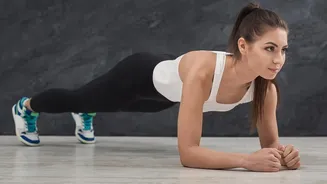
feet. Foundational movements like push-ups, squats, lunges, and planks target multiple muscle groups at once, delivering a full-body workout without needing any gear. For example, a push-up strengthens your chest, shoulders, triceps, and core simultaneously. You can easily increase the difficulty as you get stronger by adjusting your tempo, adding a pause, or progressing to more advanced variations like pike push-ups or single-leg squats.
Maximise Efficiency with HIIT
High-Intensity Interval Training (HIIT) is perfect for small spaces because it delivers a powerful cardiovascular workout in a short amount of time. HIIT involves short bursts of all-out effort followed by brief recovery periods. This method gets your heart rate up quickly, making it incredibly efficient for burning calories and improving cardiovascular fitness. You can create a simple HIIT routine using bodyweight exercises like burpees, squat jumps, high knees, or mountain climbers. A typical circuit might involve performing an exercise for 30 seconds, resting for 15-30 seconds, and then moving to the next. Many HIIT workouts can be modified to be low-impact and quiet, making them ideal for apartment living.
Invest in Smart, Storable Equipment
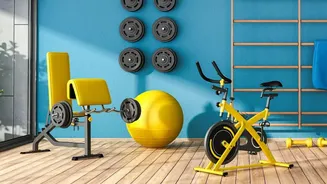
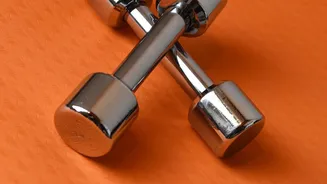
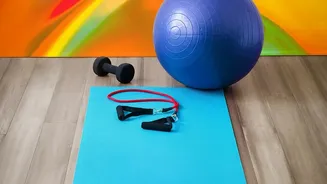
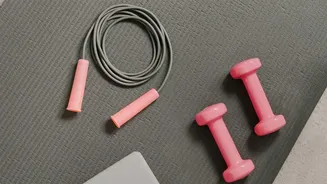
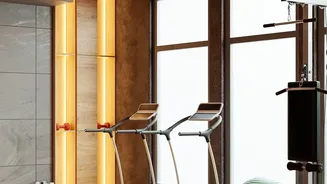
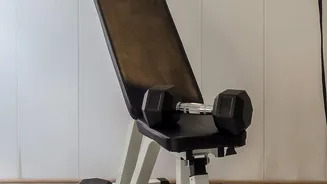
While not essential, a few key pieces of compact equipment can significantly expand your workout options. Adjustable dumbbells are a top choice because they replace an entire rack of weights with a single pair, saving immense space. Resistance bands are another excellent, affordable tool; they are lightweight, easy to store, and perfect for strength training, toning, and mobility work. For those looking to add dedicated cardio, a foldable treadmill or a compact spin bike can be great options that tuck away after use. A simple yoga mat and a foam roller are also valuable for comfort, stretching, and post-workout recovery.
Think Vertically and Use Wall Space
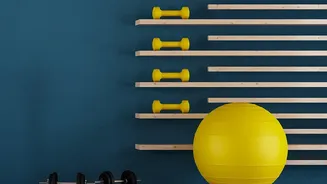
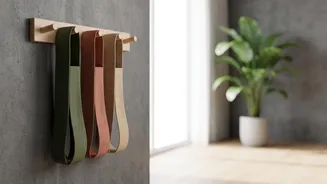
When floor space is at a premium, the only way to go is up. Using your walls can help keep your workout zone organised and clutter-free. Installing simple hooks or small shelves allows you to store items like resistance bands, yoga mats, and jump ropes off the floor. This not only makes your space feel larger but also keeps your equipment accessible and ready for your next session. You can also use the wall itself for exercises like wall sits or incline and decline push-ups to add variety and challenge to your routine.
Focus on Compound Movements
To get the most out of every minute, prioritise compound exercises that work multiple muscle groups and joints at the same time. Movements like squats, lunges, rows, and overhead presses are far more efficient than isolation exercises. For instance, a kettlebell front rack squat-to-press works your legs, glutes, core, and shoulders all in one fluid motion. This approach not only builds comprehensive strength but also burns more calories in less time, helping you achieve maximum results from a shorter workout session. It’s the ultimate strategy for time-crunched and space-conscious individuals.
Create a Dedicated Zone
Even if you don't have a separate room, designating a specific corner for your workouts can make a huge psychological difference. It signals to your brain that it's time to focus on fitness, helping you stay consistent. Using interlocking foam tiles can help define this space while also protecting your floor and reducing noise for neighbours below. When your workout is over, having compact or foldable equipment makes it easy to pack away, allowing the area to return to its primary function. This 'pop-up' gym approach removes the excuse of inconvenience and integrates fitness seamlessly into your daily life.