



Why Make the Switch From Sugar?
For generations, traditional Indian sweets have been central to our celebrations and daily routines. However, many of these delights rely on refined white sugar. While delicious, excessive consumption of refined grains and sugars can lead to health concerns.
These processed ingredients cause rapid spikes in blood sugar and offer little nutritional value. By swapping refined products for whole foods, you can still enjoy your favourite treats while nourishing your body. Millets, ancient grains that have been part of Indian diets for centuries, offer a fantastic alternative. They are packed with nutrients and provide a slower release of energy, making them a smarter choice for long-term health.
The Powerhouse Trio: Ragi, Bajra, and Jowar
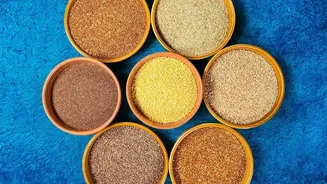
Ragi, Bajra, and Jowar are three of the most popular millets in India, and for good reason. Each brings a unique nutritional profile to the table, and together they create a truly powerful blend. These grains are naturally gluten-free and rich in dietary fibre, which aids digestion and promotes a feeling of fullness. They are also excellent sources of essential minerals and vitamins that are often stripped away from refined flours. Making laddoos with a combination of these three flours ensures a balanced, nutrient-dense sweet that supports overall well-being far more than a sugar-laden equivalent.
Ragi (Finger Millet): The Calcium Champion
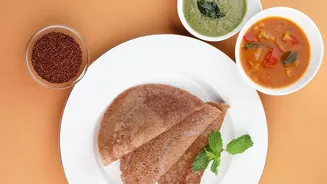
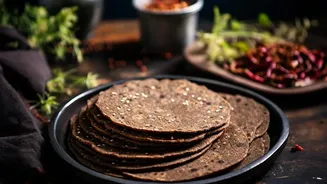
Ragi, also known as finger millet, is most celebrated for its incredible calcium content. In fact, it's one of the richest plant-based sources of calcium, containing significantly more than other common cereals like rice and wheat. This makes it particularly beneficial for bone health in growing children and adults. Beyond calcium, ragi is also a great source of iron, which can help in preventing anaemia. Its high fibre content helps in managing blood sugar levels and promotes satiety, which can aid in weight management.
Bajra (Pearl Millet): The Energy Booster
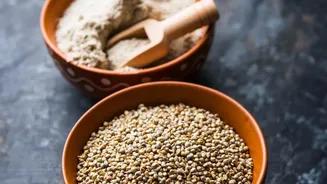
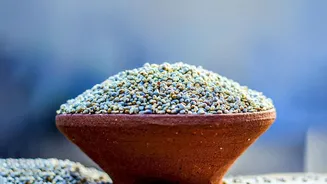
Bajra, or pearl millet, is a fantastic source of sustained energy, thanks to its high content of complex carbohydrates. It is also rich in iron, magnesium, and phosphorus. Magnesium is known to support heart health and may help in regulating blood pressure. With a substantial amount of protein and fibre, bajra helps in building and repairing body tissues while also keeping you feeling full for longer. Its alkaline nature can also help in reducing acidity, making it gentle on the stomach.
Jowar (Sorghum): The Fibre-Rich Friend
Jowar, or sorghum, is a versatile millet prized for its high dietary fibre content, which is excellent for digestive health. This fibre helps prevent constipation and also acts as a prebiotic, feeding the good bacteria in your gut. Jowar is a notable source of plant-based protein and iron. It is also packed with antioxidants, which help protect the body from damage caused by harmful free radicals. Its low glycemic index makes it a suitable grain for those looking to maintain stable blood sugar levels.
Our Healthy Millet Laddoo Recipe
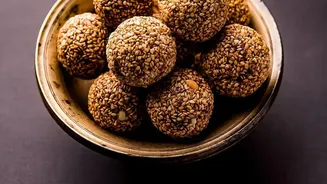
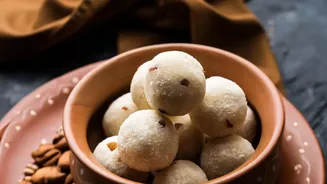
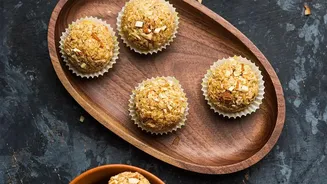
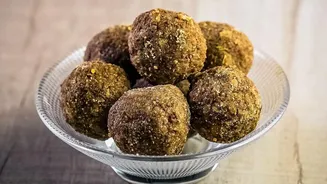
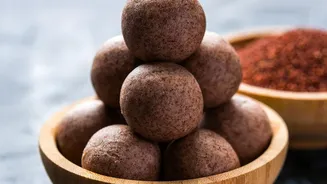
This recipe combines the goodness of all three millets with the natural sweetness of jaggery and the richness of ghee and nuts.Ingredients:- ½ cup Ragi (finger millet) flour- ½ cup Bajra (pearl millet) flour- ½ cup Jowar (sorghum) flour- 1 cup powdered or grated jaggery (adjust to taste)- ½ cup ghee (clarified butter)- ½ cup mixed nuts (almonds, cashews, walnuts), roughly chopped- 2 tablespoons seeds (like sesame or pumpkin seeds), optional- ½ teaspoon cardamom powderInstructions:1. In a heavy-bottomed pan, dry roast the ragi, bajra, and jowar flours one by one on a low flame for 5-7 minutes each, until they release a nutty aroma. Roasting them separately is important as they have different cooking times. Combine the roasted flours in a large bowl.2. In the same pan, lightly toast the chopped nuts and seeds until fragrant. Add them to the bowl with the flours.3. Add the cardamom powder and powdered jaggery to the flour and nut mixture. Mix everything thoroughly.4. Gently heat the ghee in the pan until it melts completely. Pour the warm ghee over the flour mixture.5. Be careful as the ghee will be hot. Use a spoon to mix everything together initially. Once the mixture is cool enough to handle but still warm, use your hands to combine it well.6. Take small portions of the mixture and press it firmly in your palm to shape it into round laddoos. If the mixture feels too dry to bind, you can add another tablespoon of warm ghee.7. Let the laddoos cool completely and then store them in an airtight container.