





Shift Your Mindset: A Tool, Not a Tomb
First, stop thinking of your freezer as long-term storage for things you might use someday. Instead, view it as an active part of your weekly cooking routine. A well-managed freezer is not a bottomless pit but a constantly rotating library of ingredients
and meal components. Its purpose is to make your life easier now. This means you should only freeze things you know you will use in the coming weeks and months. By cycling through your frozen stock regularly, you ensure that food is consumed at its peak quality, reducing waste and the dreaded freezer burn that ruins flavour and texture.
Freeze Strategically for Future Meals
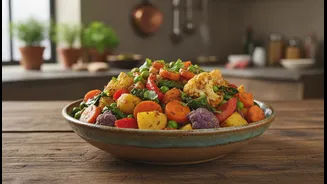
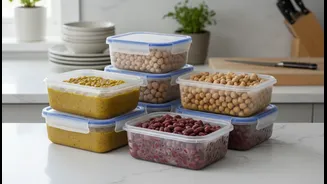
The secret to a useful freezer is stocking it with building blocks for future meals, not just leftovers. Think beyond whole frozen chickens. Cook a large batch of rice, quinoa, or lentils, let it cool, and freeze it. Portions of home-cooked beans, biryanis, and sauce-based curries also freeze beautifully, often tasting even better after resting. You can puree tomatoes, grate coconut, or freeze individual portions of dosa and idli batter. Small items make a big impact, too. Freeze leftover tomato paste, chopped ginger, or herbs in ice cube trays with a little oil for easy flavour bombs.
Master the Art of Airtight Storage
Air is the enemy of frozen food, causing the dehydration and oxidation that leads to freezer burn. To protect your food, remove as much air as possible. For liquids like soups, dals, and sauces, use airtight containers, leaving a little headspace as liquids expand. For solids, freezer-safe resealable bags are excellent. A great technique is to lay bags flat on a baking sheet to freeze. Once solid, these 'bricks' can be stacked vertically like books, saving an immense amount of space and making items easy to grab. Using square or rectangular containers is always more space-efficient than using round ones.
Label Everything and Keep Inventory
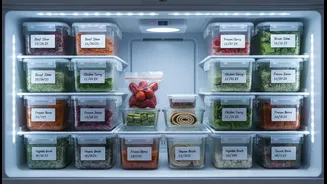
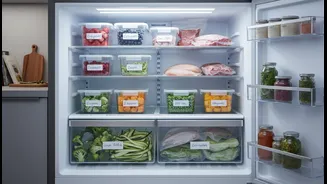
You might be convinced you'll remember what that unlabelled bag contains, but 'freezer amnesia' is real. Every single item that goes into your freezer must be labelled with its contents and the date it was frozen. You can use masking tape and a permanent marker or dedicated freezer labels. This small step prevents mystery meals and helps you follow the most important rule of freezer management: First In, First Out (FIFO). Keep a simple inventory list on the freezer door or on your phone. This visual reminder helps you see what needs to be used up, prevents you from buying duplicates, and makes meal planning a breeze.
Learn to Cook Directly from Frozen
Forgetting to thaw ingredients is a common dinner-time dilemma, but many foods can be cooked directly from their frozen state, saving you a crucial step. Many vegetables can be tossed directly into a pan or steamer. You can cook frozen fish, chicken breasts, and ground meat with a few adjustments. The general rule is to increase the cooking time by about 50% compared to its thawed counterpart. Baking or simmering in a sauce are often the best methods for cooking proteins from frozen, as they ensure even cooking and prevent the outside from drying out before the inside is done. Always use a food thermometer to ensure meats are cooked to a safe internal temperature.