

A Cultural Shift on the Thali
For generations, the festive season in India has been a time of glorious excess. Kitchens hum with the rhythm of tradition, producing an abundance of ghee-laden sweets, deep-fried snacks, and rich curries. These dishes are more than just food; they are edible
affection, connecting families and reinforcing cultural identity. However, a growing consciousness around health and well-being is gently reshaping these age-old customs. The conversation is shifting from unrestrained feasting to mindful enjoyment, driven not by a desire to abandon tradition, but to adapt it for a modern, health-aware lifestyle. This evolution isn't about deprivation, but about innovation and balance.
New Techniques for Old Favourites
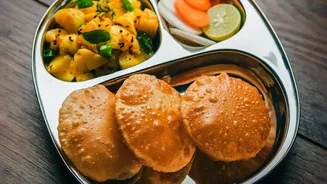
One of the most significant changes is in the cooking methods. Deep-frying, long the hallmark of festive snacks like samosas, gujiyas, and chaklis, is making way for lighter techniques. The rise of kitchen appliances like air fryers and ovens has made it easier than ever to achieve a satisfying crunch without submerging food in oil. Home cooks are now widely sharing recipes for baked shankarpali, air-fried vadas, and oven-roasted chivda. These methods drastically reduce the oil and calorie content while preserving the textures and flavours that define these beloved snacks. The result is a less heavy, more digestible festive plate that still feels celebratory.
The Return of Ancient Grains
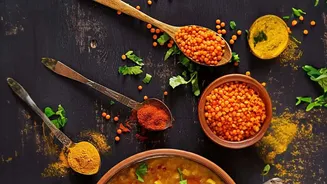
Another key evolution is happening in the pantry. Refined flour (maida) and polished rice are being swapped for more nutritious alternatives. Ancient grains, particularly millets like ragi (finger millet), bajra (pearl millet), and jowar (sorghum), are making a major comeback. These grains, once regional staples, are now being incorporated into festive dishes across the country, from ragi laddoos and multi-millet mathris to bajra khichda. Their high fibre and nutrient content provide sustained energy, a welcome benefit during long festive days. Similarly, refined sugar is being replaced with natural sweeteners like jaggery, dates, and honey, which offer a more complex flavour and a gentler impact on blood sugar levels.
Rethinking Mithai and Desserts
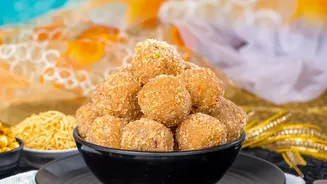
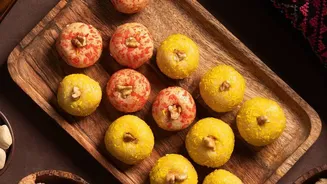
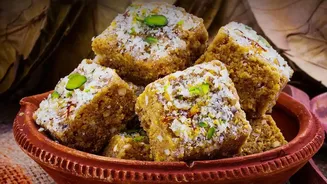
Indian sweets, or mithai, are arguably the heart of any festival, but they are also notoriously high in sugar and fat. Here, the innovation is particularly creative. Nutritionists and home cooks suggest choosing milk-based desserts like kheer or sandesh, which provide protein. There's a push toward making sweets at home to control the ingredients, using alternatives like almond flour instead of refined flour, or creating entirely new treats like date-and-nut laddoos and beetroot halwa. The focus is on smaller portions and smarter choices—opting for a badam (almond) katli over a kaju (cashew) one, for instance, or choosing steamed modaks over their fried counterparts.
Balance Over Restriction
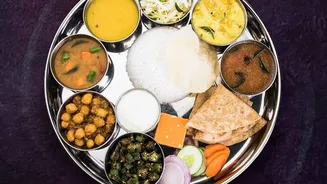
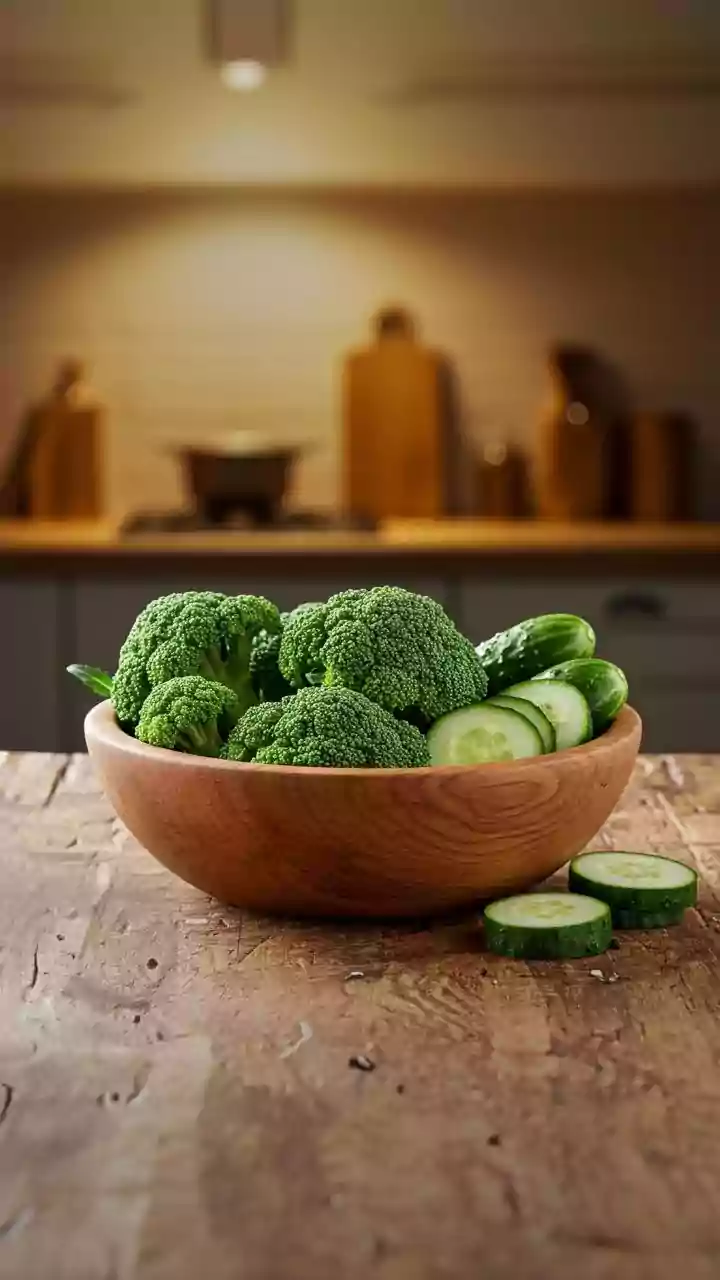
Experts agree that the goal is not to police the festive plate but to make it more balanced. The key is mindful indulgence rather than complete prohibition. This means practicing portion control, filling half your plate with salads or vegetables, staying hydrated, and pairing indulgent foods with lighter, protein-rich items. The evolution of the festive plate is a testament to the dynamic nature of Indian food culture. It reflects a collective desire to hold onto a rich culinary heritage while embracing a healthier future, ensuring that the joy of festive eating can be savoured for many years to come.