

Why Bodyweight Training Works
Bodyweight exercises are incredibly effective because they use your body's own resistance to build muscle and improve fitness. This type of training is functional, meaning it strengthens you for everyday movements like lifting, pushing, and squatting.
It's convenient, free, and can be done anywhere, making it one of the easiest ways to start and maintain a consistent workout habit. For beginners, mastering these fundamental movements is the first step toward achieving fitness goals and preventing injury.
The Five-Minute Essential Warm-Up
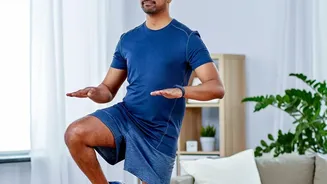
Never skip your warm-up. Preparing your muscles is crucial to prevent injury and get the most out of your workout. Spend five to ten minutes doing light cardio and dynamic stretches. Jogging in place, jumping jacks, or brisk walking will increase blood flow to your muscles. Follow this with arm circles, leg swings, and torso twists to loosen up your joints and prepare your body for the movements to come. It’s a simple step that makes a huge difference in your performance and safety.
Bodyweight Squats for a Strong Foundation
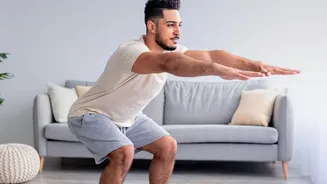
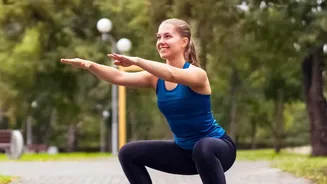
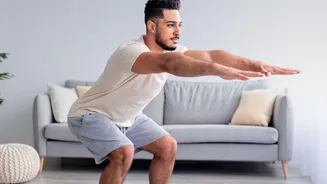
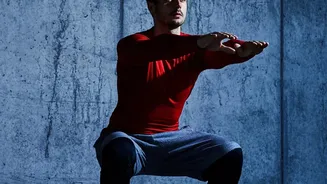
The squat is a powerhouse exercise that targets your thighs, glutes, and hamstrings. To perform a proper bodyweight squat, stand with your feet shoulder-width apart and your chest up. Lower your hips back and down as if you're sitting in a chair, keeping your back straight and ensuring your knees don't extend past your toes. Go as low as you comfortably can, aiming to get your thighs parallel to the floor, then drive through your heels to return to the starting position.
Push-Ups for Upper Body Power
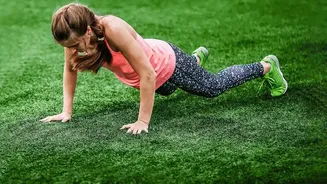
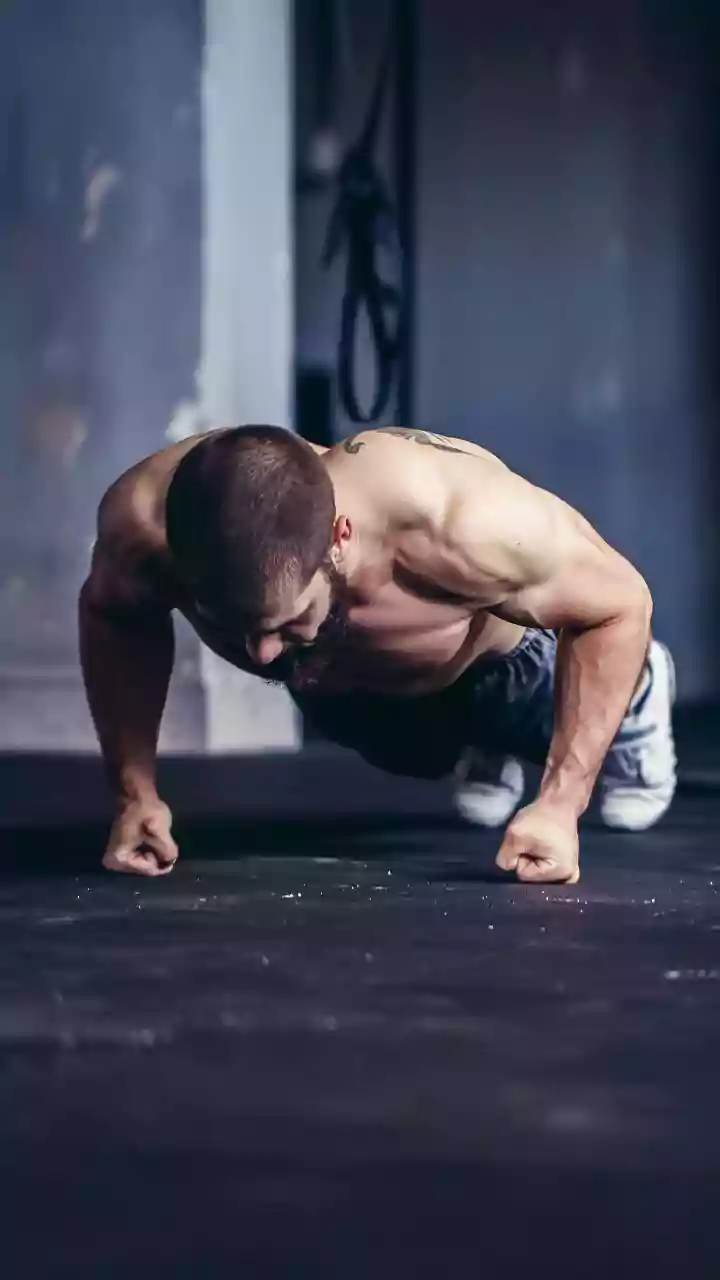
Push-ups are a classic move for strengthening the chest, shoulders, and triceps. If a standard push-up is too challenging, start with modifications. You can perform them against a wall or with your hands on an elevated surface like a sturdy table. As you get stronger, progress to doing them on your knees. The key is to keep your body in a straight line from your head to your knees or feet, lowering your chest toward the floor before pushing back up.
Lunges to Improve Balance and Strength
Lunges work each leg independently, making them great for building balanced strength and improving stability. Start by standing tall, then step forward with one leg and lower your hips until both knees are bent at a 90-degree angle. Your front knee should be directly above your ankle, and your back knee should hover just above the ground. Push off your front foot to return to the starting position, and then repeat on the other side.
The Plank for a Rock-Solid Core
A strong core is essential for almost every movement, and the plank is one of the best exercises to build it. Position yourself as if you're about to do a push-up, with your hands directly under your shoulders and your body forming a straight line from your head to your heels. Engage your core by pulling your belly button toward your spine. Hold this position without letting your hips sag or rise. For a modification, you can perform a plank on your forearms and knees.
Putting It All Together: Your Routine
To create a workout, perform each exercise as a circuit. Aim for 10-12 repetitions of squats and lunges, and as many push-ups as you can manage with good form. Hold your plank for 15-30 seconds. Complete the entire circuit of exercises one after another with minimal rest. After finishing the circuit, rest for 60-90 seconds, then repeat it two or three more times. Perform this workout two to three times a week on non-consecutive days to give your muscles time to recover and grow.
The Gentle Cool-Down
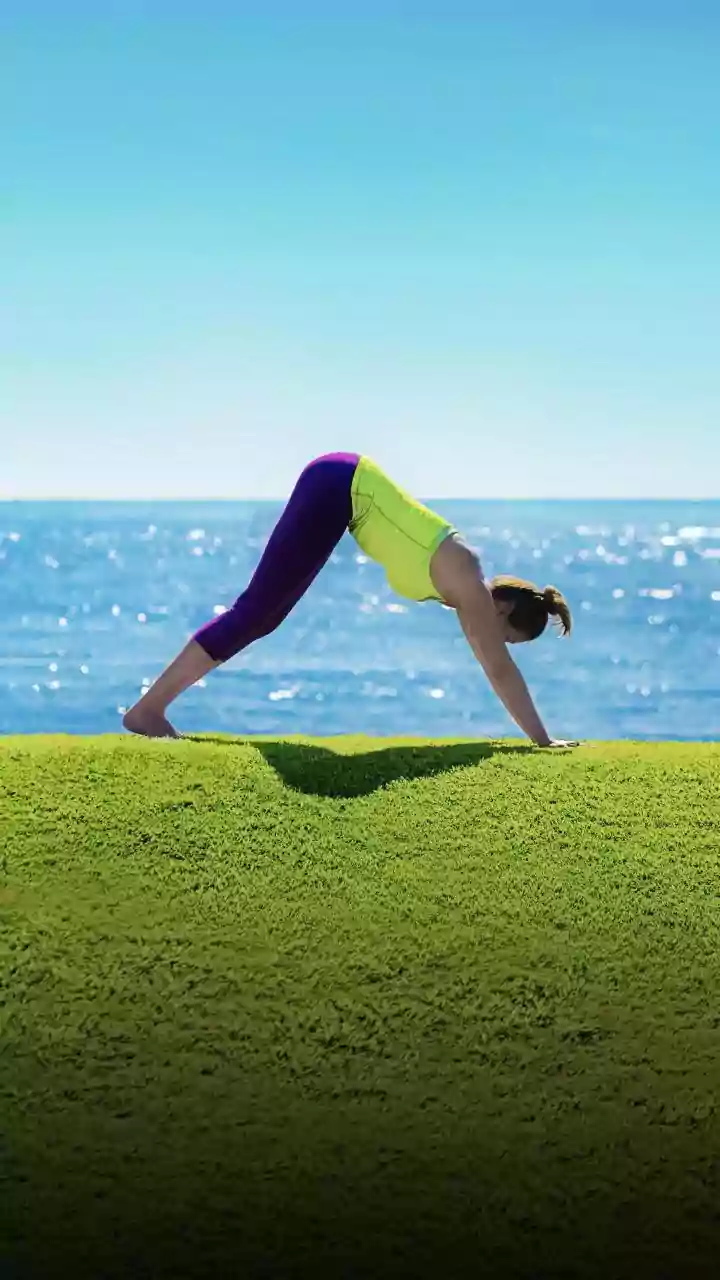
After your workout, take a few minutes to cool down and stretch. This helps your heart rate return to normal and can improve flexibility. Gently stretch the muscles you worked, such as your quads, hamstrings, chest, and back. Hold each stretch for 20-30 seconds without bouncing. A supine twist, where you lie on your back and gently bring one knee across your body, is a great stretch for your back and glutes.