




Respect the Altitude, Prevent Sickness
One of the biggest mistakes travellers make is underestimating the power of altitude. Flying directly into Leh (around 11,500 feet) or rapidly ascending in Himachal and Uttarakhand can trigger Acute Mountain Sickness (AMS). [11, 22] Symptoms range from
headaches and nausea to more severe, life-threatening conditions. [19, 22] Experts recommend at least 24-48 hours of complete rest and acclimatisation upon arrival in high-altitude areas like Leh before undertaking any strenuous activity. [11, 12, 14] Ascending gradually, staying hydrated with 3-4 litres of water daily, and avoiding alcohol are crucial first steps to prevent AMS. [11, 12] Physical fitness offers no immunity; even the healthiest travellers can be affected if they ascend too quickly. [11]
Navigate the Unpredictable Weather and Terrain
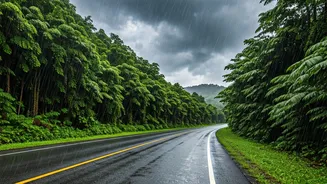
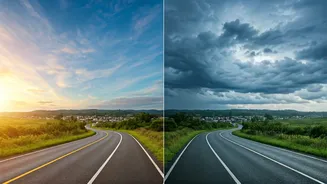
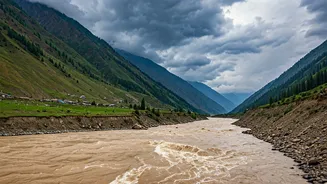
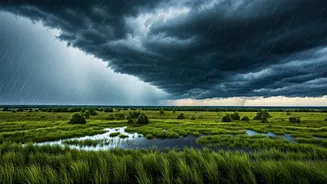
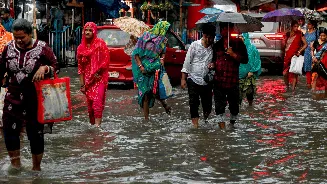
The mountains have a mind of their own. Weather can change dramatically in hours, turning a sunny day into a freezing ordeal. The monsoon season, typically hitting the region from late June onwards, brings heavy rainfall that can trigger devastating landslides and flash floods. [21, 24, 25] These events frequently cause major road closures, such as on National Highway 10, which connects West Bengal to Sikkim, or arteries in Himachal and Uttarakhand, leaving travellers stranded for days. [17, 23, 26] The Himalayas are a young and geologically active range, making them naturally prone to such events. [32] Checking weather alerts from the India Meteorological Department (IMD) and building buffer days into your itinerary for unexpected delays is not just advisable, it's essential. [24, 27]
Secure Your Permits Before You Go
Certain areas in North India, especially those near international borders, are designated as protected or restricted zones. To enter these regions, even Indian citizens need an Inner Line Permit (ILP). [15, 20] These include parts of Ladakh (like Nubra Valley and Pangong Tso), Arunachal Pradesh, Nagaland, and Mizoram. [13, 15] While some permits can be obtained on arrival at certain airports or through local offices in places like Leh, applying online in advance is often possible and highly recommended to avoid delays. [15, 16] Foreign nationals require a different document, the Protected Area Permit (PAP). [18] Always verify the specific permit requirements for your exact destination well ahead of your travel dates.
Pack Smart for Mountain Realities
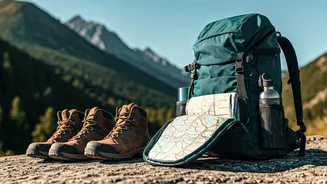
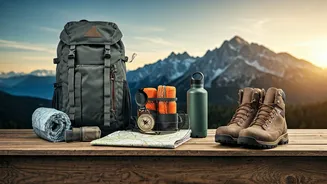
Packing for the mountains is about strategy, not just stuffing a bag. The key is layering. [9] A three-layer system—a moisture-wicking base layer (like thermals), an insulating mid-layer (like a fleece or down jacket), and a windproof and waterproof outer shell—is non-negotiable. [6, 9] High-altitude sun is incredibly harsh due to the thin atmosphere, so high-SPF sunscreen (SPF 50+), UV-protection sunglasses, and lip balm are critical to prevent severe sunburn. [6, 7] Other essentials include sturdy, waterproof trekking shoes, a first-aid kit with medicines for common ailments like headaches and stomach issues, and a powerful power bank, as cold temperatures drain batteries quickly and electricity is unreliable in remote areas. [6, 8]
Plan for a Digital Detox (Even if Unintentional)
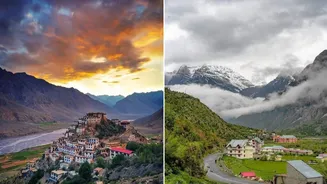
While major towns like Leh, Shimla, and Manali have decent connectivity, venturing into more remote valleys like Spiti or interior parts of Ladakh means you'll likely be off the grid. Only certain postpaid mobile networks (like Jio, Airtel, and BSNL) work in these areas, and even then, the signal can be patchy. [6] Don't rely on digital payments; cash is king. ATMs are few and far between outside of main tourist hubs and are often out of service. Carry enough cash to cover your expenses for several days, including accommodation, food, and transport. Downloading offline maps for your entire route is another crucial step before you lose your signal.