


The Power of Visual Eating
The secret lies not in what you eat, but how you arrange it. Enter the 'plate method' — a simple, visual way to build a balanced meal. It’s not a restrictive diet, but a sustainable guide to portion control that works with the foods you already enjoy.
The concept is straightforward: instead of mindlessly filling your plate, you divide it into sections for different food groups. This ensures you get a healthy mix of nutrients at every meal, helping to stabilize blood sugar, manage weight, and boost energy levels. Best of all, it requires no special tools or tedious measurements, making it perfect for a hectic lifestyle.
Building the Ideal Indian Plate
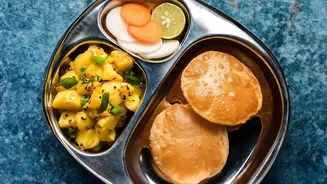
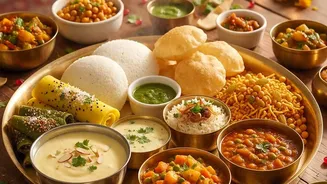
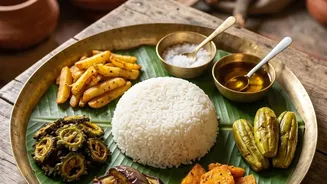
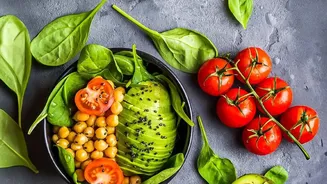
While the classic plate method is great, Indian meals, with their curries and mixed dishes, require a slight adaptation. Instead of rigid quadrants, think in terms of proportions. The most effective model, recommended by institutions like the Indian Council of Medical Research (ICMR), is the half-quarter-quarter rule. Fill half your plate with non-starchy vegetables. This can be a generous serving of sabzi, a fresh salad, or stir-fried greens. These are high in fibre and low in calories, helping you feel full. The other half of your plate is split into two quarters. Dedicate one-quarter to protein. This is a crucial component often lacking in Indian diets. Good sources include dal, chana, rajma, paneer, tofu, eggs, or chicken. The final quarter is for carbohydrates, like whole-wheat rotis, brown rice, or millets like jowar and bajra.
Putting It Into Practice: Meal by Meal
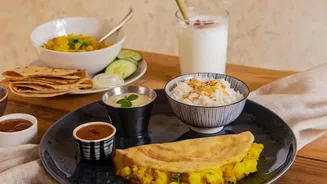
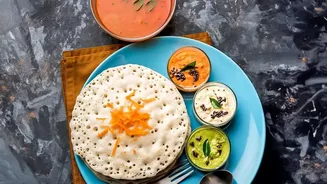
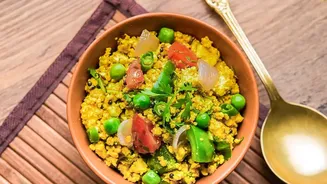
Visualizing the plate is one thing; applying it is another. For breakfast, instead of just poha, add a side of sprouts and a bowl of curd to hit your protein and fibre goals. A South Indian breakfast of idli or dosa with a hearty portion of vegetable-rich sambar is another excellent, balanced option. For lunch, a typical thali can be easily formatted. Take two rotis (carbs), a katori of dal (protein), a large katori of a mixed vegetable sabzi, and a side of salad (vegetables covering half the plate). Dinner can follow a similar structure. A small portion of brown rice with grilled fish or paneer bhurji and a generous helping of stir-fried beans and carrots makes for a light yet satisfying meal. The humble katori can be your best friend for portioning dals and sabzis consistently.
Smart Habits That Support Your Plate
Plate formatting is most effective when combined with other smart habits. Eating slowly and without distractions like your phone or TV helps you register when you are full, preventing overeating. Using smaller plates can also trick your brain into feeling satisfied with smaller portions. Another powerful strategy is meal sequencing: start by eating your vegetables or salad first. The fibre fills you up and helps blunt the blood sugar spike from the carbohydrates you eat later in the meal. Finally, stay hydrated. Sometimes thirst is mistaken for hunger, so sipping water, unsweetened lassi, or nimbu paani throughout the day can curb unnecessary snacking.
Why This Simple Method Delivers Results
The beauty of the plate method is its simplicity and flexibility. It shifts the focus from restriction to balance. You’re not eliminating rice or roti; you’re just right-sizing their role on your plate and giving vegetables and protein more prominence. This approach naturally lowers your intake of refined carbohydrates and excess calories while increasing your intake of fibre, vitamins, and minerals. It fosters a healthier relationship with food, where no single item is the villain. By making your meals more satiating and nutritionally complete, this method helps you build sustainable habits that support long-term health, energy, and well-being without the stress of a traditional diet.