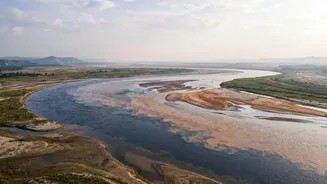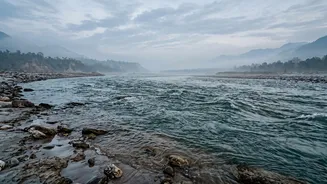


A cornerstone of India-Bangladesh relations for three decades, the Ganges Water Sharing Treaty, is set to expire in December 2026. This looming deadline has cast a shadow of uncertainty over water security for millions in downstream Bangladesh.
The 1996 Treaty: A Diplomatic Milestone
Signed
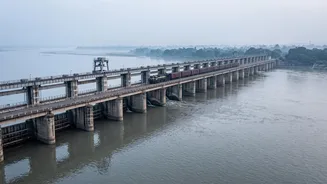
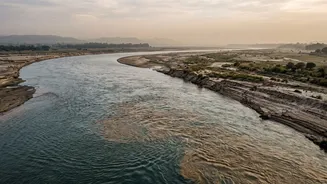
on December 12, 1996, the treaty was a landmark achievement designed to end years of dispute over water rights. At its heart is the Farakka Barrage, a structure India built in West Bengal, about 16.5 kilometres from the Bangladesh border, to divert water into the Hooghly River and keep Kolkata's port from silting up. The treaty established a 30-year formula for sharing the Ganges' flow at Farakka during the critical dry season, from January 1 to May 31. The agreement laid out a complex 10-day rotation schedule based on water availability, intended to balance India’s needs with Bangladesh's dependence on the river for its survival.
A Lifeline for Bangladesh
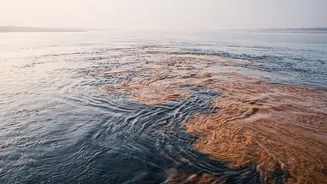
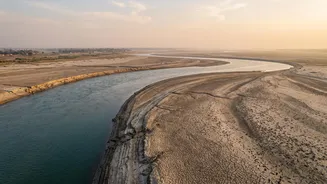
For Bangladesh, the Ganges, known as the Padma within its borders, is more than just a river; it's a vital lifeline. It irrigates vast agricultural lands, supports one of the world's richest freshwater fisheries, maintains navigation routes, and crucially, pushes back saltwater intrusion in the delicate Sundarbans mangrove forest, a UNESCO World Heritage site. Reduced flow during the dry season has already had severe consequences, including diminished crop yields, devastated fish catches, and lower groundwater levels. Farmers have reported immense hardship, with some driven to despair by failing crops.
The Sticking Points and Trust Deficit
Despite the treaty, Bangladesh has long felt it does not receive a fair or guaranteed share of water, especially when flows are low. Dhaka is now pushing for a new or revised treaty that includes a 'guarantee clause' similar to a previous 1977 arrangement, which the 1996 pact omitted. This clause would ensure a minimum flow, providing greater predictability for its farmers and ecosystems. Compounding the issue is the longstalled agreement over the Teesta River, another of the 54 rivers shared by the two nations. The failure to finalize the Teesta deal since 2011 has created a trust deficit that looms over the upcoming Ganges negotiations.
India's Position and Regional Complexities
From India's perspective, the situation is also complex. There is growing domestic demand for water in states like Bihar and West Bengal for agriculture and industry. There have been calls within India to renegotiate the treaty's terms rather than simply renewing it, with some stakeholders suggesting a shorter duration for any new agreement. India's official stance is that all river-related matters are discussed through the structured mechanism of the Joint Rivers Commission (JRC). However, high-level meetings of the JRC have been infrequent, and with the political relationship between the two countries having soured following a 2024 uprising in Bangladesh, the diplomatic path forward appears complicated.
What Happens Next?
With the December 2026 expiry date fast approaching, the clock is ticking. Bangladesh has formed a technical committee and expressed its hope that an agreement can be finalised in time. However, India has indicated that a renewal is not necessarily automatic and may be contingent on highlevel diplomatic engagement, such as a visit by Bangladesh's Prime Minister Tarique Rahman, which has not yet been confirmed. Experts on both sides agree that failure to reach a new deal could lead to a worse situation than the pretreaty years, given the significant increase in water demand and the added stresses of climate change.