








Why the Monsoon Changes Our Body
The arrival of the monsoon, or 'Varsha Ritu', is a dramatic environmental shift that our bodies register keenly. The increased humidity and reduced sunlight can slow down our metabolism. In Ayurvedic tradition, this is described as a weakening of the 'Agni',
or digestive fire. When your digestive power is low, your body struggles to process heavy, complex foods, leading to issues like bloating, acidity, and indigestion. Furthermore, the damp conditions create a perfect breeding ground for bacteria and viruses, making us more susceptible to infections, colds, and flu. This combination of a weakened digestive system and a higher risk of illness is why simple, mindful dietary changes become so crucial. It’s not about restriction; it’s about working with your body, not against it, during this demanding season.
The Simple Wisdom of Warm Water
It might sound overly simplistic, but switching from cold to warm water is one of the most effective monsoon health hacks. During the rainy season, the risk of waterborne diseases like typhoid, jaundice, and cholera increases due to potential contamination of water sources. Boiling water and drinking it warm or lukewarm is a time-tested method for killing harmful pathogens. Beyond safety, warm water offers distinct physiological benefits. It aids digestion by helping to break down fats and stimulating the digestive tract. Unlike iced water, which can constrict blood vessels and shock your system, warm water soothes it, improves blood circulation, and helps flush out toxins more effectively. A warm glass of water first thing in the morning can kick-start your metabolism and keep you hydrated and healthy throughout the day.
Lighten Your Plate, Strengthen Your Gut
When your digestive fire is low, feeding it heavy logs will only smother it. This is why light meals are a monsoon essential. Heavy, oily, and fried foods—think pakoras and samosas—are much harder to digest and can lead to sluggishness and discomfort. Instead, your monsoon plate should feature foods that are easy on the stomach. Soups are a perfect choice; a warm bowl of moong dal or mixed vegetable soup is both nourishing and comforting. Opt for steamed or boiled vegetables over rich, creamy curries. Khichdi, a simple preparation of rice and lentils, is considered a perfect meal in Ayurveda for its digestibility and balanced nutrition. Including seasonal vegetables like lauki (bottle gourd), tori (ridge gourd), and parwal (pointed gourd) can also be beneficial as they are light and have high water content.
Harnessing the Power of Spices
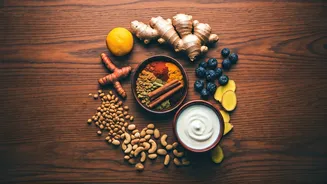
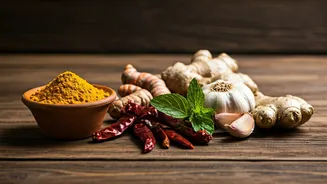
Indian cuisine is rich with spices that are not just for flavour but also for their medicinal properties. During the monsoon, certain spices can be particularly helpful in boosting immunity and aiding digestion. Ginger, with its anti-inflammatory properties, is excellent for soothing a sore throat and improving digestion. Garlic is a powerful natural antibiotic. Turmeric (haldi) is a potent antiseptic and immunity booster—a pinch in a glass of warm milk can work wonders. Black pepper (kali mirch) helps improve the absorption of nutrients and clears congestion. Incorporating these spices into your daily cooking—in your dals, vegetables, and teas—is a simple way to fortify your body's defences against seasonal ailments.
What to Reduce for a Healthier Monsoon
Just as important as what you should eat is what you should avoid. Raw foods, particularly salads and pre-cut fruits from street vendors, carry a higher risk of contamination. It's best to eat fruits and vegetables only after they've been thoroughly washed and cooked. Leafy green vegetables like spinach and cabbage can be harder to clean during this season, so consume them with caution. Many traditional health systems also advise reducing the intake of dairy products like curd, as they are considered 'heavy' and can sometimes aggravate coughs and colds. The golden rule for the monsoon is to prioritise freshly cooked, warm, homemade food to minimise health risks and maximise well-being.