







The Appeal of Green Cleaning
The move towards low-chemical or 'green' cleaning is gaining momentum, and for good reason. Using everyday ingredients like white vinegar, baking soda, and lemon is often cheaper, better for the environment, and reduces the number of harsh chemicals in our
homes. These ingredients have a long history of use. Vinegar, a mild acid, can cut through grease and act as a disinfectant. Baking soda is a gentle abrasive and a powerful deodoriser, perfect for scrubbing surfaces and freshening up musty cupboards. Lemon juice, with its natural bleaching properties and fresh scent, is great for tackling light stains. For many day-to-day cleaning tasks, these simple solutions are not only effective but also provide peace of mind, especially for families with children and pets.
Monsoon's Unique Cleaning Challenges
The Indian monsoon, however, is not a day-to-day cleaning scenario. The season's defining feature—persistent high humidity—creates an ideal breeding ground for mould, mildew, and fungi. Humidity levels can easily exceed 80-90%, causing moisture to seep into walls, wooden furniture, and fabrics. This constant dampness means clothes take forever to dry, a musty smell permeates enclosed spaces, and surfaces that are usually easy to maintain become susceptible to fungal growth. This isn't just about aesthetics; mould spores can trigger allergies and respiratory issues, making effective cleaning a health priority. The challenge is amplified because common solutions like airing out rooms become difficult when it’s raining constantly.
Your Low-Chemical Kit for Daily Grime
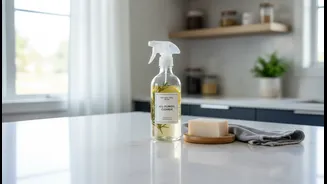
For regular maintenance during the monsoon, a low-chemical approach is an excellent first line of defence. Use a solution of equal parts white vinegar and water in a spray bottle to wipe down kitchen counters, window sills, and other hard surfaces daily. To combat the ubiquitous musty odour in wardrobes and cabinets, place bowls of baking soda, coffee grounds, or charcoal to absorb moisture and smells. A few drops of tea tree oil on a cotton ball can also act as a natural antifungal agent in storage spaces. For floors, mopping with water containing white vinegar or neem leaf infusions can help deter pests and leave surfaces clean. These practices are effective for managing light moisture and daily upkeep.
When Natural Methods Aren't Enough
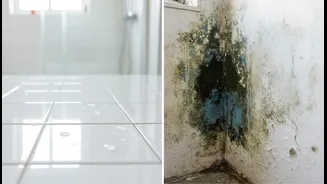
The headline's caution—'not a guarantee'—comes into play when dealing with established or severe monsoon-related problems. While white vinegar is said to kill a high percentage of mould species, it is most effective on hard, non-porous surfaces. On porous surfaces like walls or wood, mould can grow deep roots that vinegar may not reach. If you see significant black or green patches, especially on walls, a simple vinegar spray is unlikely to solve the problem permanently. Similarly, while natural solutions can deter some pests, a full-blown infestation of cockroaches or termites spurred by the damp will likely require professional pest control. Relying solely on low-chemical options in these situations can mask a deeper issue that needs more aggressive treatment to protect your property and health.
A Balanced Strategy for a Healthy Home
The most effective strategy for monsoon cleaning is a balanced one. Prevention is key: improve ventilation whenever possible, use exhaust fans in kitchens and bathrooms, and fix any leaks before the rains begin. Use low-chemical cleaners for your daily and weekly cleaning routines. However, be prepared to use stronger, targeted commercial products if you spot a serious mould outbreak. For extensive mould, it’s often safest and most effective to call professional cleaning or remediation services. Think of it as a tiered approach: natural solutions for prevention and daily care, and chemical or professional help for acute problems. This pragmatic mindset ensures you are not letting a serious issue worsen in the name of sticking to a single cleaning philosophy.
Special Considerations for Renters
Renters often face additional challenges. You may not be able to make permanent changes like installing better ventilation or applying waterproof paint. However, you can and should take proactive steps. Keep furniture slightly away from walls to promote air circulation. Use moisture absorbers like silica gel packs liberally in cupboards and enclosed spaces. It is crucial to document any signs of major leaks or significant mould growth with photographs and inform your landlord in writing. Persistent dampness and mould can be structural issues that are the landlord's responsibility to fix. Understanding your rights and maintaining open communication is key to ensuring your rented home remains safe and habitable during the monsoon.