





Understanding Your Internal Clock
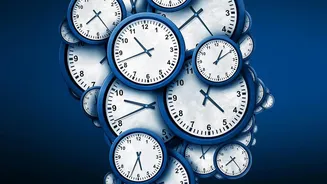
Every person operates on an internal 24-hour cycle known as the circadian rhythm. This is your body's master clock, located in the brain, which orchestrates countless processes, from your sleep-wake cycle to hormone release and metabolism. Primarily governed
by light and darkness, this internal timer tells your body when to be alert and when to power down. While everyone has a body clock, our individual timings, or 'chronotypes', can vary. Some of us are 'morning larks', who wake up and feel energetic early in the day, while others are 'night owls', who peak in the evening and go to bed late.
The Gut Has Its Own Rhythm
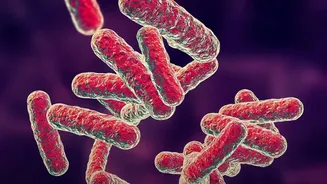
What's fascinating is that our gut has its own local clock. The millions of microbes living in our digestive tract, collectively known as the gut microbiome, also follow a daily rhythm. This microbial clock is heavily influenced not by light, but by our eating schedules. These gut microbes play a crucial role in digestion, immune function, and even producing essential vitamins. A healthy gut depends on this rhythmicity, ensuring that digestive processes happen at the right time. When the brain's master clock and the gut's microbial clock are in sync, the whole system runs smoothly. The trouble starts when they fall out of step.
The Link Between Late Hours and Inflammation
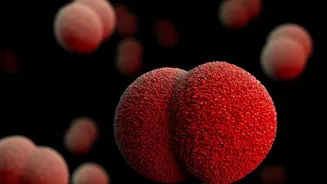
Recent research has uncovered a strong connection between a late chronotype and gut inflammation. Studies show that individuals who stay up and eat late often have a different gut microbiome composition. Specifically, being a 'night owl' is associated with having fewer beneficial bacteria that produce anti-inflammatory compounds. At the same time, there can be an increase in pro-inflammatory bacteria. This imbalance can lead to a condition sometimes called 'leaky gut', where the intestinal barrier becomes more permeable. When this barrier is compromised, it can allow harmful substances to pass into the bloodstream, triggering a low-grade, chronic inflammatory response throughout the body.
A Vicious Cycle of Disruption
The relationship appears to be a two-way street, creating a difficult cycle for those affected. A disrupted body clock can contribute to gut inflammation, but the presence of inflammation can, in turn, further disrupt sleep quality and circadian rhythms. This creates a self-reinforcing loop where poor sleep and a misaligned schedule worsen gut health, and a troubled gut makes it harder to maintain a healthy sleep cycle. Studies on patients with inflammatory bowel disease (IBD) have found that those with a later chronotype and more social jetlag—the mismatch between sleep schedules on workdays and free days—often experience more severe disease symptoms.
Modern Life vs. Our Ancient Clocks
Our modern lifestyles are often at odds with our ancient internal clocks. Widespread use of artificial light, late-night screen time, demanding work schedules, and the availability of food 24/7 all contribute to circadian disruption. For many in India, late working hours followed by late dinners are a common reality, pushing sleep patterns later and later. This consistent mismatch between our internal biology and our external environment can throw our gut microbiome out of whack, reducing its diversity and protective functions. Research suggests that even a single night of poor sleep can alter the balance of our gut bacteria.
How to Realign Your Clocks
While you can't easily change your natural chronotype, you can take steps to better support your body's rhythms. The key is consistency. Try to maintain a regular sleep-wake schedule, even on weekends. Exposing yourself to bright, natural light in the morning is a powerful signal to reset your master clock. Similarly, paying attention to meal timing can help align your gut's clock. Try to have your last meal a few hours before bedtime to give your digestive system adequate time to rest overnight. Reducing exposure to blue light from screens in the evening can also help your body prepare for sleep. These small, consistent changes can help synchronise your internal clocks, supporting a healthier gut and reducing the risk of inflammation.