



More Than a Morning Routine
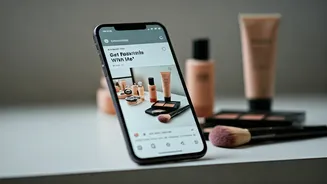
GRWM, or “Get Ready With Me,” is a video format where creators document their process of getting ready for the day or an event. [11] It started in the early 2000s on YouTube with beauty gurus sharing makeup tips, but has since exploded on platforms like
TikTok and Instagram. [9] Today's GRWM videos are a blend of tutorial, personal vlog, and confessional. [9] While applying foundation or choosing an outfit, creators share intimate stories, offer life advice, or simply chat about their day. [7] This combination of practical demonstration and personal storytelling has turned a simple routine into a powerful way for creators to build a strong connection with their audience. [8]
The Parasocial Promise
The magic of GRWM lies in its ability to foster what psychologists call a parasocial relationship—a one-sided bond where a viewer feels a genuine friendship with a media figure. [1, 2] Unlike polished ads, GRWM videos feel authentic and intimate. [10] Filmed in bedrooms and bathrooms, they offer a behind-the-scenes glimpse into the creator's life, making the viewer feel like they're on a private video call with a friend. [12] When an influencer looks directly into the camera and shares a personal story, our brains can process it as a personal interaction, creating a powerful illusion of friendship. [3] This sense of closeness and familiarity builds a deep level of trust, which is a scarce but powerful currency in the digital age. [1, 4]
From Follower to Friend's Advice
This perceived friendship is radically changing consumer behavior. When a trusted creator recommends a serum or a new pair of jeans, it doesn't feel like a sales pitch; it feels like a tip from a friend who has your best interests at heart. Studies show that these parasocial relationships have a significant impact on purchasing decisions and brand loyalty. [3] This is especially true for Gen Z, with research showing that trustworthiness in GRWM videos has a positive effect on purchase intention. [7] The recommendation is seamlessly woven into the creator's life, making the product feel less like an advertisement and more like an essential part of a trusted person's routine. [14] It bypasses our natural skepticism towards traditional marketing, making us more likely to click 'add to cart'.
The New Digital Storefront
Brands have been quick to recognize the power of this authentic-feeling connection. For companies, GRWM content is a goldmine. [14] Rather than spending millions on glossy campaigns, brands can partner with influencers who have already built a loyal, engaged community. Many GRWM videos highlight a creator’s favorite products as the key to a desired outcome. [14] Platforms like TikTok have made this process even more seamless, with features like TikTok Shop allowing viewers to purchase a product seen in a video with just a few taps. This turns creators into highly effective, trust-based salespeople. Younger consumers, in particular, often react positively to this form of branded content, as they expect a two-way relationship with brands and see a sponsored post as a sign of a creator's success. [14, 15]
The Cost of Connection
However, this new era of personal commerce is not without its critics. The constant exposure to new products can fuel a culture of overconsumption and materialism, pressuring young viewers to keep up with the latest trends. [16, 6] It can create unrealistic expectations and link happiness with purchasing power. [16] There is also a risk that as the format becomes more commercialized, the authenticity that made it so powerful could be compromised. [4] Influencers themselves face the pressure of being "always on" and maintaining a persona that is both relatable and aspirational—a delicate balance that can lead to burnout. [4] For viewers, it’s important to remember that even the most 'real' content is still a performance, and to distinguish genuine needs from desires sparked by a parasocial connection. [6]