





The Classic Connection
Traditionally, balance training and core work have been treated as close cousins in the world of fitness. Any exercise that challenges your stability, from a simple single-leg stand to more complex yoga poses, automatically engages your core muscles to keep
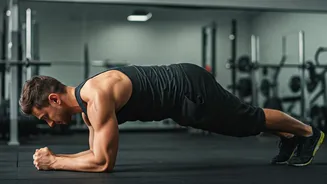
you upright. Your core—a group of muscles including your abdominals, obliques, and lower back—acts as your body’s anchor, stabilising your spine and pelvis. When you’re on an unstable footing, these muscles fire instinctively to maintain your centre of gravity, preventing falls and improving posture. This foundational principle is why planks, bridges, and bird-dog exercises are staples for building a solid midsection.
The Upgrade: Dynamic Instability
The real upgrade in training comes from moving beyond static holds and embracing 'dynamic instability'. This approach involves performing exercises on unstable surfaces or using equipment that forces your body to constantly adjust while in motion. Think less about just standing on one leg and more about performing a lunge or a press while your body is being challenged. The goal is to recruit the entire kinetic chain—from your feet to your shoulders—to work together to control movement under unpredictable conditions. This method mimics the demands of real life, where we are often moving, shifting loads, or catching ourselves from unexpected stumbles.
Why It Supercharges Your Core
Dynamic instability training is incredibly effective because it forces the deep, stabilising muscles of the core to work overtime. When you perform a familiar movement like a squat or a chest press on an unstable surface (like a BOSU ball or balance pad), your nervous system goes into high alert. It constantly sends signals to the small muscles around your spine and pelvis to contract and make micro-adjustments. This is different from exercises like crunches, which primarily target the superficial 'six-pack' muscles (rectus abdominis). Dynamic instability targets the deeper transverse abdominis and multifidus, muscles crucial for spinal support and transferring force efficiently between your upper and lower body. The result is a more resilient, integrated, and truly functional core.
Exercises to Get You Started
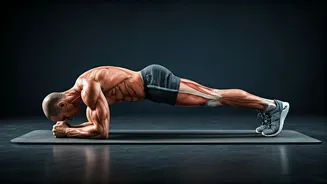
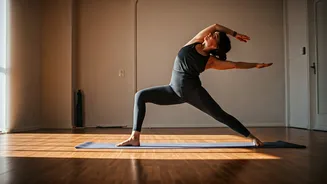
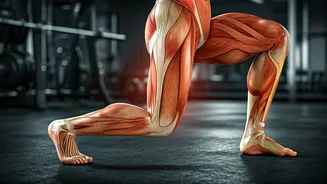
Incorporating this into your routine is simpler than it sounds. Start with bodyweight and add instability slowly. 1. Single-Leg Squat: Standing on one foot, lower yourself into a squat as if sitting in a chair, keeping your back straight. This unilateral movement forces the core to work hard to prevent your torso from twisting. 2. Plank with Alternating Leg Lifts on a Foam Pad: Performing a standard plank on a slightly unstable surface like a foam pad adds a significant challenge. From this position, slowly lift one foot a few inches off the ground, hold for a moment, and alternate. This engages the core to fight against rotation. 3. Lunge with a Twist: Step forward into a lunge. As you lower, twist your torso toward your front leg. You can hold a light medicine ball or dumbbell to increase the rotational force your core must control. This multi-planar movement builds strength that translates directly to athletic and daily activities.
Form First, Intensity Second
When starting with dynamic instability training, the key is to prioritise control over weight or speed. The goal is not to lift heavy but to remain stable throughout the entire movement. If you find yourself wobbling excessively or unable to hold the correct posture, reduce the instability. For instance, start with single-leg exercises on the floor before moving to a foam pad or balance board. Master the movement with your own body weight before adding external loads like dumbbells. A little bit of instability goes a long way in activating those deep core muscles, and progressing gradually is the safest way to build strength and prevent injury.