



The Science Behind the Shine
Aluminium foil seems simple, but it has a clever trick. The metal instantly reacts with air to form a tough, protective layer called aluminum oxide. This shield is what usually prevents the metal from reacting with food. However, this protective layer can
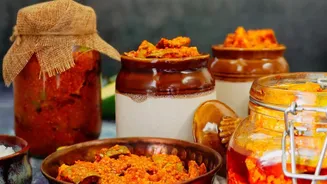
be broken down by strong acids. When you wrap acidic leftovers—think dishes rich in tomatoes, tamarind, vinegar, or lemon juice—a chemical process begins. The acid slowly dissolves the protective oxide layer, allowing the food to come into direct contact with the raw aluminium beneath. This reaction can cause small amounts of aluminium to leach into your meal, a process that happens even faster when heat is involved.
Is Leached Aluminium a Health Concern?
Our bodies are used to handling small amounts of aluminium, as it is naturally present in drinking water and some vegetables. Healthy kidneys are very efficient at filtering out and excreting the aluminium we ingest. For this reason, regulatory bodies consider day-to-day exposure to be safe for healthy individuals. However, the concern is about excessive, long-term intake. Cooking or storing highly acidic or salty foods in foil can increase the amount of aluminium in a meal. While the science is not settled, some studies have suggested a possible link between high, chronic aluminum exposure and certain health issues, though a direct causal link remains unproven. Given this, it is wise to minimise unnecessary exposure where possible.
More Than Just Health: Flavour and Appearance
The reaction between acid and foil doesn't just raise health questions; it can also ruin your food. When aluminium leaches into a dish, it can impart a noticeable metallic or bitter taste. It can also affect the food's appearance, sometimes turning light-coloured sauces or vegetables a dull grey. You might have even noticed tiny pinholes or dark spots on a piece of foil after it has covered a dish of leftover sambar or a tomato-based curry; that is visible evidence of the metal corroding and dissolving into your food.
Safer Storage for Acidic Dishes
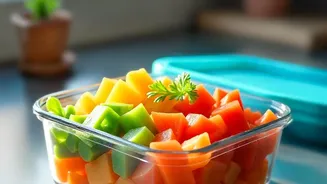
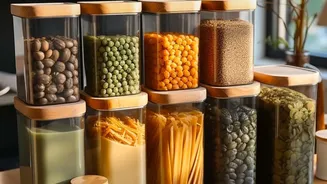
The good news is that preventing this reaction is simple. The best solution is to use storage containers made from non-reactive materials. Glass containers are an excellent choice because they are non-porous and chemically inert, meaning they won't stain, absorb odours, or leach anything into your food, even when heated. Stainless steel and ceramic containers are also great, safe options. If you must use foil to cover an acidic dish in the fridge, create a barrier. First, place a layer of parchment paper (baking paper) over the food, and then cover it with foil. The parchment paper prevents any direct contact between the acid and the metal.
When Is It Safe to Use Aluminium Foil?
This does not mean you need to banish aluminium foil from your kitchen entirely. It remains perfectly safe and incredibly useful for many tasks. Wrapping non-acidic foods like sandwiches, rotis, or baked goods is fine. It is also useful for short-term storage of most leftovers, ideally for no more than a day or two. Using it to line baking sheets or catch drips in the oven are also great uses that simplify cleanup. The key is to be mindful of direct, prolonged contact, especially with foods that are high in acid or salt.