




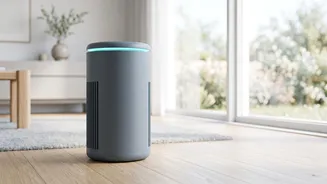

As winter arrives, we close our windows and doors to keep the cold out. But this cozy impulse has a hidden downside: it can trap harmful pollutants inside, turning our homes—and especially our bedrooms—into hotspots for poor air quality.
What Exactly Is PM2.5?
PM2.5 refers to
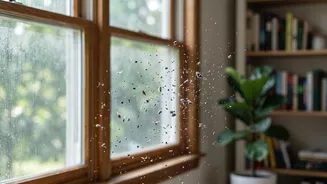
fine particulate matter, which are tiny pollutant particles less than 2.5 micrometers in diameter—about 30 times smaller than a human hair. Because they are so small and light, they can stay suspended in the air for longer periods. More importantly, their size allows them to bypass the body’s natural defenses, travel deep into the lungs, and even enter the bloodstream. Exposure to PM2.5 is linked to a range of health issues, including respiratory irritation, aggravated asthma, and increased risks of heart and lung disease. While often discussed in the context of outdoor smog and haze, PM2.5 is also a significant indoor pollutant.
The Winter Enclosure Problem
During winter, our instinct is to seal our homes to conserve heat and stay warm. We shut windows, block drafts, and rely on heating systems. While this is effective for staying comfortable, it drastically reduces natural ventilation. Without a steady flow of fresh outdoor air, indoor pollutants cannot escape and their concentrations build up. Studies show that indoor air can become two to five times more polluted than the air outside during winter months. This phenomenon, known as the 'enclosure effect', means that the very air we breathe for hours on end is continuously recycling and concentrating contaminants.
Why Bedrooms Are a Particular Concern
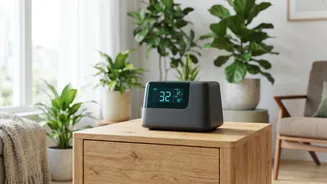
We spend roughly a third of our lives in our bedrooms, much of it sleeping. During these long, continuous hours, our exposure to the room's air is prolonged. Bedrooms are often less ventilated than other parts of the house, especially at night when doors are closed. This allows PM2.5 from various sources to accumulate. Furthermore, activities like burning candles or incense, using certain types of heaters, and even the shedding of skin cells and dust mite debris can contribute to the particulate load in a bedroom. Poor air quality at night has been linked to disrupted sleep, morning grogginess, and a stuffy nose or dry throat upon waking.
Common Sources of Indoor PM2.5
The pollutants trapped in your home come from both outside and inside. Outdoor PM2.5 from traffic exhaust, industrial emissions, and regional haze can easily seep indoors. However, many sources are generated within the home itself. Cooking, especially frying or using gas stoves, is a major contributor. Burning candles, incense, and wood in fireplaces all release fine particles. Other sources include tobacco smoke, emissions from fuel-burning space heaters, and volatile organic compounds (VOCs) from cleaning products, paints, and new furniture that can form into particulate matter. Even activities like vacuuming can stir up settled dust, reintroducing it into the air.
Simple Steps for Cleaner Bedroom Air
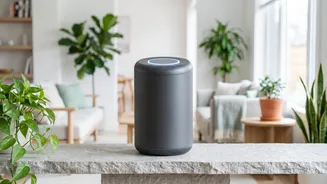
Improving your bedroom's air quality doesn't have to be complicated. The first step is to increase ventilation. Try to open windows for at least 15 minutes a day, even in winter, to allow fresh air to circulate. Consider investing in a high-quality air purifier with a HEPA filter, which is designed to capture fine particles like PM2.5. Regular cleaning is also crucial; use a damp cloth for dusting to trap particles instead of spreading them, and vacuum frequently, preferably with a HEPA filter vacuum. Finally, be mindful of sources. Avoid burning candles or incense in the bedroom, ensure proper ventilation when cooking, and choose low-VOC products whenever possible.