








Digitise and Double-Wrap Your Documents
Before you pack a single file, consider what can be digitised. Scan important papers like academic certificates, property deeds, and identification proofs, and save them to a secure cloud service. This creates a digital backup in a worst-case scenario.
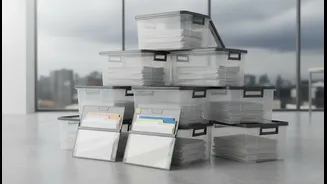
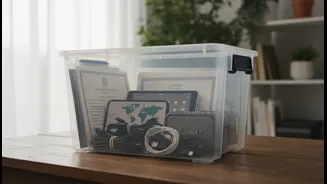
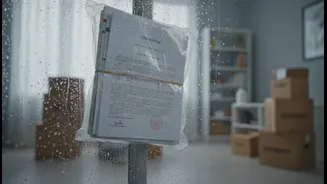
For the physical copies, water is the enemy. Standard cardboard boxes become weak and soggy when wet. Your first line of defence should be waterproof zipper pouches or plastic files for all essential documents. Group these pouches and place them in a sturdy plastic bin, not a cardboard box. For added security, carry this bin with you in your personal vehicle rather than loading it onto the moving truck. This ensures your most irreplaceable items remain with you, dry and secure.
Adopt a Multi-Layered Strategy for Electronics
Electronics are vulnerable to both direct water contact and ambient humidity. Start by unplugging all appliances at least a day before the move to ensure they are cool and dry. Whenever possible, use the original packaging, as it's designed to hold the item securely. If you don't have the original boxes, use anti-static bubble wrap, paying special attention to screens and corners. Then, wrap the entire device in a layer of plastic sheeting or a large garbage bag to create a waterproof barrier. Place the wrapped item inside a sturdy, double-layered cardboard box. For an extra layer of defence against moisture, add a few silica gel packets inside each box containing electronics. These small pouches absorb ambient humidity, preventing condensation from forming inside your devices.
Choose the Right Packing Materials
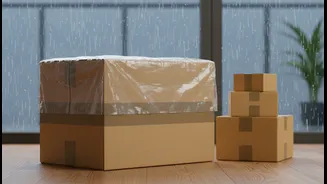
During the monsoon, standard cardboard boxes are a significant liability. They absorb moisture, weaken, and can easily fall apart. Where possible, switch to plastic bins with secure lids, as they are completely waterproof. If you must use cardboard boxes, reinforce them. Seal all seams, including the bottom, with heavy-duty packing tape to prevent water from seeping in. You can also line the inside of cardboard boxes with a plastic sheet or garbage bag before placing items inside. This creates an internal waterproof layer that can save your belongings even if the outer box gets damp. Clearly label all boxes containing sensitive items with a waterproof marker, using phrases like 'FRAGILE - KEEP DRY'.
Plan Your Moving Day Logistics
A smart plan for moving day itself can make all the difference. Check the weather forecast and aim to start your move early in the morning, as monsoon mornings are often drier than afternoons. When loading the truck, create an assembly line to minimise the time your belongings are exposed to rain. Stage boxes in a dry, covered area like a garage or hallway close to the exit. Use tarps or old bedsheets to protect floors at both your old and new homes from mud and water. Ensure the moving truck has a proper waterproof cover and instruct the movers to place electronics and other water-sensitive boxes away from the truck doors and off the floor to avoid any puddles that might form.
Unpack with Caution
The danger isn't over once you've reached your new home. Unpack any items that may have gotten wet immediately to prevent mould, mildew, or long-term damage. Use dry towels to wipe down any damp boxes or furniture. For electronics that have travelled through a humid environment, it is crucial to let them acclimatise to the room temperature for a few hours before plugging them in. Turning on a device with internal condensation can cause a short circuit and permanent damage. Prioritise unpacking your electronics and documents first, inspecting them for any signs of moisture before storing them away.