






More Room, Less Rocket
Imagine launching a three-story apartment building into space, neatly packed inside a standard rocket fairing. That's the core promise of inflatable, or expandable, habitats. Instead of launching massive, heavy metal cylinders, companies are developing
modules made from advanced, high-strength fabrics like Vectran, a material stronger than Kevlar. These modules launch in a compressed state and are inflated with breathable air once in orbit, creating a voluminous, comfortable, and functional space for astronauts to live and work. The key advantage is efficiency. An inflatable module offers a much greater volume of living space for a given mass compared to traditional rigid structures. This significantly lowers launch costs, one of the biggest barriers to building infrastructure in space, paving the way for a more affordable and scalable commercial presence in low-Earth orbit.
The Private Sector's Orbital Ambitions
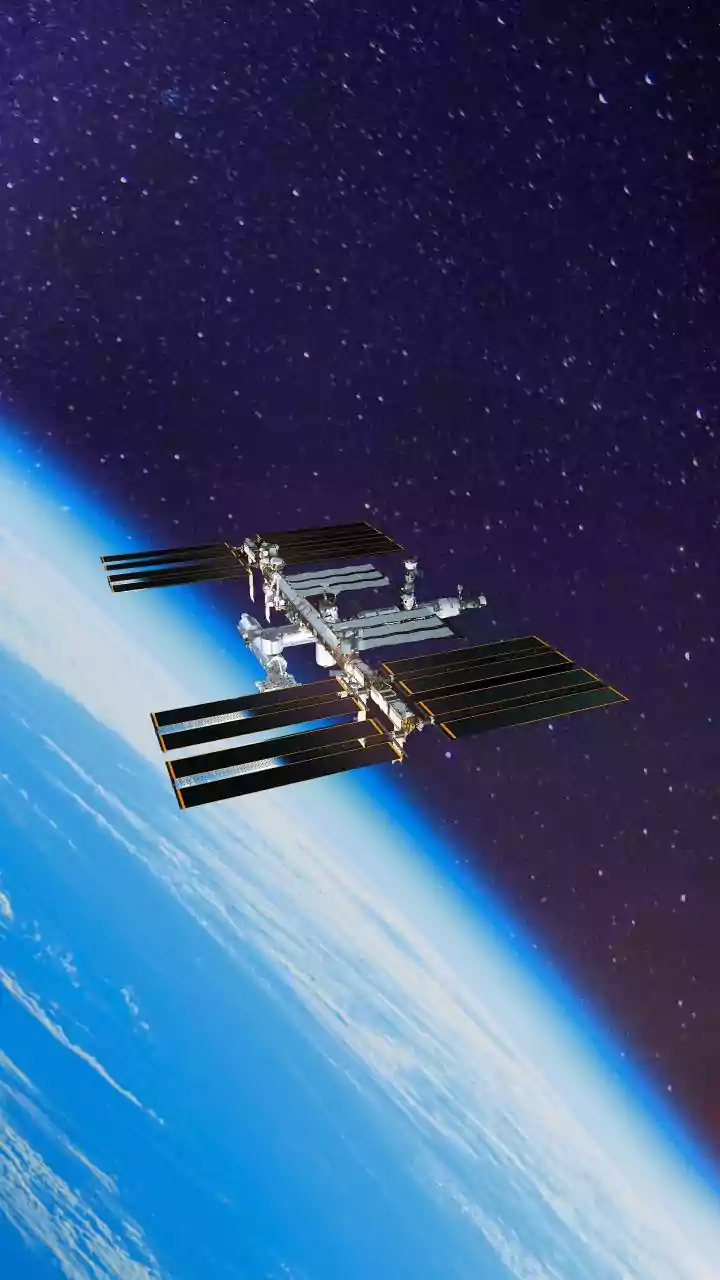
With the International Space Station (ISS) scheduled for retirement around 2030, a new space race has begun, this time driven by commercial enterprise. NASA is actively encouraging this shift through its Commercial Low Earth Orbit Destinations (CLD) program, which aims to foster privately owned and operated space stations. Several companies are vying to build these successors to the ISS. Sierra Space is a major contender with its Large Integrated Flexible Environment (LIFE) habitat, which has undergone successful full-scale burst testing, proving it can withstand pressures well beyond operational requirements. Sierra Space is partnered with Blue Origin to develop the Orbital Reef station, envisioned as a 'mixed-use business park' in space. Other key players include Axiom Space, which is already sending commercial astronauts to the ISS and plans to launch its own modules, and Starlab, a joint venture between Voyager Space and Airbus.
A Laboratory Unlike Any on Earth
So, what will people do in these new orbital outposts? A primary function is to serve as a unique laboratory. The persistent microgravity environment of space allows for experiments that are impossible to conduct on Earth. In low gravity, scientists can study fluid physics, combustion, and material properties in ways that reveal new insights. For example, growing protein crystals for drug development is more effective in microgravity, leading to better-designed medicines. The environment is also ideal for manufacturing specialty products like high-purity fibre optic cables and unique metal alloys. As access becomes more common, in-space manufacturing is expected to become a major commercial driver, creating products for use both in space and back on Earth. This opens up a new industrial ecosystem for research institutions and private companies.
India's Gateway to the Commercial Space Economy
This global shift towards a commercial space economy presents a significant opportunity for India. With the Indian Space Research Organisation (ISRO) making rapid strides in launch technology and space exploration, the country is well-positioned to participate in this next chapter. The rise of commercial space stations means that Indian researchers, startups, and established companies won't necessarily need to build their own infrastructure from scratch. Instead, they could buy services or lease space on a commercial platform to conduct cutting-edge research and development. This aligns perfectly with national initiatives like 'Make in India' and 'Startup India', fostering innovation in high-technology sectors. As the global space economy is projected to grow into a multi-trillion dollar market, leveraging these emerging commercial platforms could be a crucial strategy for India to secure its place as a leading space-faring and space-faring-business nation.