




A Celestial Dance Explained
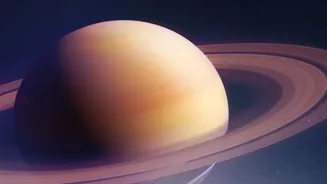
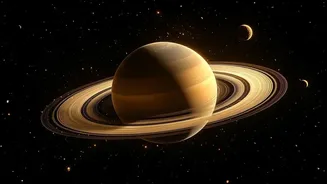
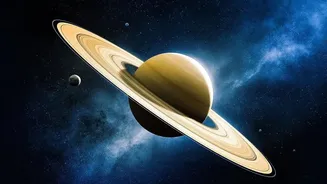
Throughout October, Saturn is a brilliant fixture in our evening sky. The planet reached 'opposition' on October 4, an event where Earth passes directly between Saturn and the Sun. This alignment makes Saturn appear at its brightest and largest for the year,
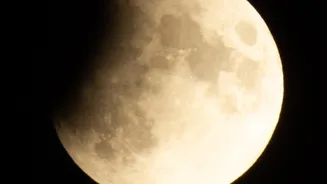
visible from sunset to sunrise as a steady, yellowish point of light. A conjunction occurs when two celestial bodies appear close to each other from our perspective on Earth. While they are actually hundreds of millions of kilometres apart, this alignment gives us a chance to see them side-by-side. On the nights of October 24 and 25, the nearly-full Moon will have a close approach with Saturn, creating a beautiful pairing that is easily visible to the naked eye.
When and Where to Look From India
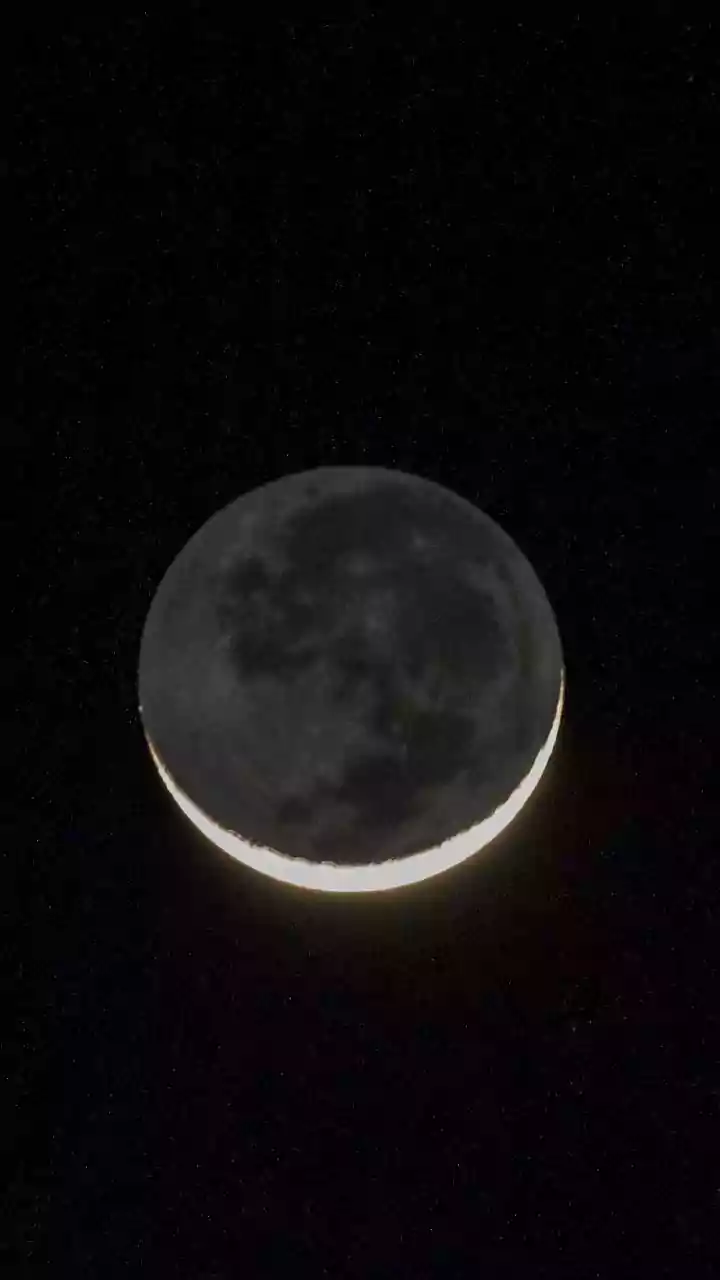
For observers in India, the main event takes place after dusk on October 24 and 25. Look towards the eastern or southeastern sky shortly after sunset. Saturn will be visible as a bright, non-twinkling 'star'. The Moon, in its bright waxing gibbous phase, will be nearby, making the pair impossible to miss on a clear night. On October 24, the Moon will be to the left of Saturn for viewers watching after sunset. The best views will come from areas with minimal city lights and an unobstructed horizon. While the conjunction is the main highlight, Saturn itself is well-placed for viewing throughout the entire month.
Your Astrophotography Toolkit
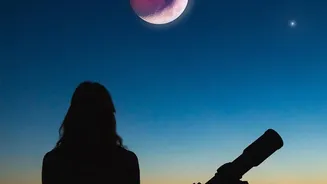
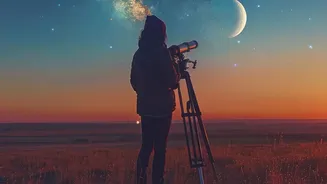
The great news is that you don’t need a professional setup to start. Your smartphone is a powerful tool. For a basic shot, a tripod is essential to keep the phone steady for a clearer image. Newer smartphones with telephoto lenses and manual or 'pro' modes offer more control, allowing you to adjust focus and exposure. If you have a DSLR, a telephoto lens of at least 200mm will help you frame the Moon and Saturn together. For those with a backyard telescope, this is the perfect time to use it. Even a small telescope will reveal Saturn's iconic rings, something a smartphone camera alone cannot resolve. You can even use a simple adapter to mount your smartphone to the telescope's eyepiece.
Tips for Capturing the Perfect Shot
For smartphone users, start by mounting your phone on a tripod. Frame the Moon and Saturn. Don't just point and shoot; the bright Moon will likely be overexposed. Tap the screen to focus on the Moon, then slide your finger down to decrease the exposure until you can see the Moon's surface details. Saturn will appear as a bright dot nearby. Using night mode, if available, can help gather more light, but manual control over exposure is key. For DSLR users, start with a low ISO (100-400), a relatively fast shutter speed (like 1/125s) and an aperture of around f/8. From there, you can experiment with settings. The challenge is balancing the bright Moon with the much fainter light of Saturn. Taking multiple shots and experimenting is part of the fun.
Beyond the Photograph
While capturing a photo is a rewarding goal, don't forget to simply look up and enjoy the view. An alignment like this is a powerful reminder of the vast, clockwork nature of our solar system. Consider downloading a stargazing app like Stellarium or Sky Tonight, which can use your phone's GPS to show you exactly what you're looking at in the night sky in real-time. These apps can help you identify surrounding constellations and other celestial objects. It’s a chance to connect with the cosmos, whether you get the perfect picture or not. The experience of watching these distant worlds share a small patch of our sky is a reward in itself.