






The Budget Balancing Act
This year, the festive spirit is meeting the reality of household budgets head-on. Recent data shows a cautious mood among many consumers, with rising food inflation being a key concern. According to a nationwide survey, over a third of families planned
to spend less this festive season compared to last year. Food and groceries, however, remain the largest spending category during Diwali. This suggests that while households may be trimming budgets for high-ticket discretionary items, the festive table remains a priority. The strategy is one of mindful spending: families are not necessarily buying less, but they are buying smarter, comparing prices, and perhaps swapping out more expensive ingredients for affordable alternatives to keep the celebrations grand without breaking the bank.
The Digital Dastarkhan: Online vs. Offline
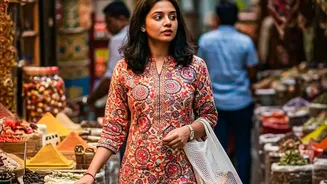
The way families stock their pantries for Diwali has transformed. While the charm of bustling local markets for fresh produce and sweets remains strong, with over half of shoppers preferring them, the convenience of e-commerce is undeniable. Online grocery platforms and quick-commerce apps have become essential tools in festive planning. These platforms have seen a massive surge in orders for staples like ghee, flour, sugar, and dry fruits. Quick-commerce, in particular, is changing the game for last-minute needs, with services delivering essentials in under 30 minutes, preventing any culinary crises when guests are on the way. This hybrid model—local markets for specialty items and online for bulk staples—allows families to save time and energy for the celebrations themselves.
Health Meets Heritage in the Diwali Kitchen
The trend towards wellness is gracefully making its way to the Diwali platter. While traditional sweets and snacks are indispensable, there is a growing interest in healthier preparations. Many households are consciously reducing sugar, using natural sweeteners like jaggery, or trying baked versions of classic fried snacks like mathri and shakarpara. The demand for 'low-sugar' or 'sugar-free' mithai is on the rise, and home cooks are experimenting with whole grains and millets to give festive fare a nutritious twist. This shift isn't about restriction but about adaptation, ensuring that the joy of festive indulgence can be enjoyed without compromising on well-being.
The Great Sweet Debate: Homemade vs. Store-Bought
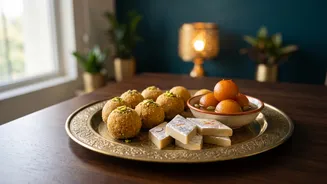
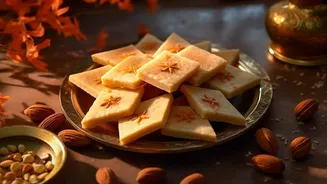
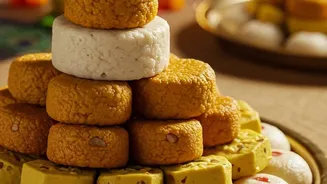
The question of whether to make sweets at home or buy them is a classic Diwali dilemma. This year, the decision is influenced by a mix of nostalgia, cost, and convenience. Making sweets like laddoos and barfis at home allows for control over ingredients and freshness, often at a lower cost. However, the appeal of professionally made sweets remains strong, especially with the rise of artisanal and gourmet options. A recent survey showed that a significant number of consumers still prefer to buy from their local sweet shop. The market now offers everything from traditional regional savouries to modern, curated gift hampers, catering to those seeking both authenticity and novelty.
Gifting Goes Gourmet and Thoughtful
Food is central to Diwali gifting, and the humble box of mithai is evolving. While traditional sweets are still cherished, there is a clear trend towards more curated and personalized food gifts. Gourmet hampers filled with artisanal cheeses, premium chocolates, flavoured nuts, and stuffed dates are becoming increasingly popular. This shift reflects a desire to offer something more unique and memorable. Health-conscious hampers with organic products or sugar-free treats are also in demand. The focus has moved from the quantity in the box to the thought behind the selection, making the act of gifting a more personal expression of care.