
Why The Old Ways Are Under Pressure
For generations, the approach to stocking an Indian kitchen has been straightforward: buy rice, wheat, and a few key dals in bulk. This strategy promised security and convenience. However, today’s economic climate challenges this tradition. Food inflation,
driven by erratic weather, higher fuel costs, and supply chain disruptions, means that the prices of even the most basic items are increasingly volatile. A household budget can be significantly impacted by a sudden spike in the cost of essentials. Moreover, our understanding of nutrition has evolved. The heavy reliance on refined grains like white rice and wheat is now being questioned as diets rich in these can contribute to health issues. The old way isn't necessarily wrong, but it’s no longer the only, or smartest, way.
Embrace Diversity: Beyond Rice and Wheat
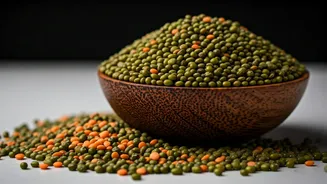
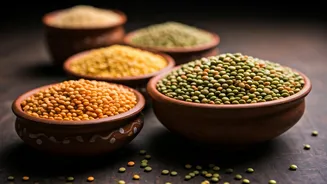
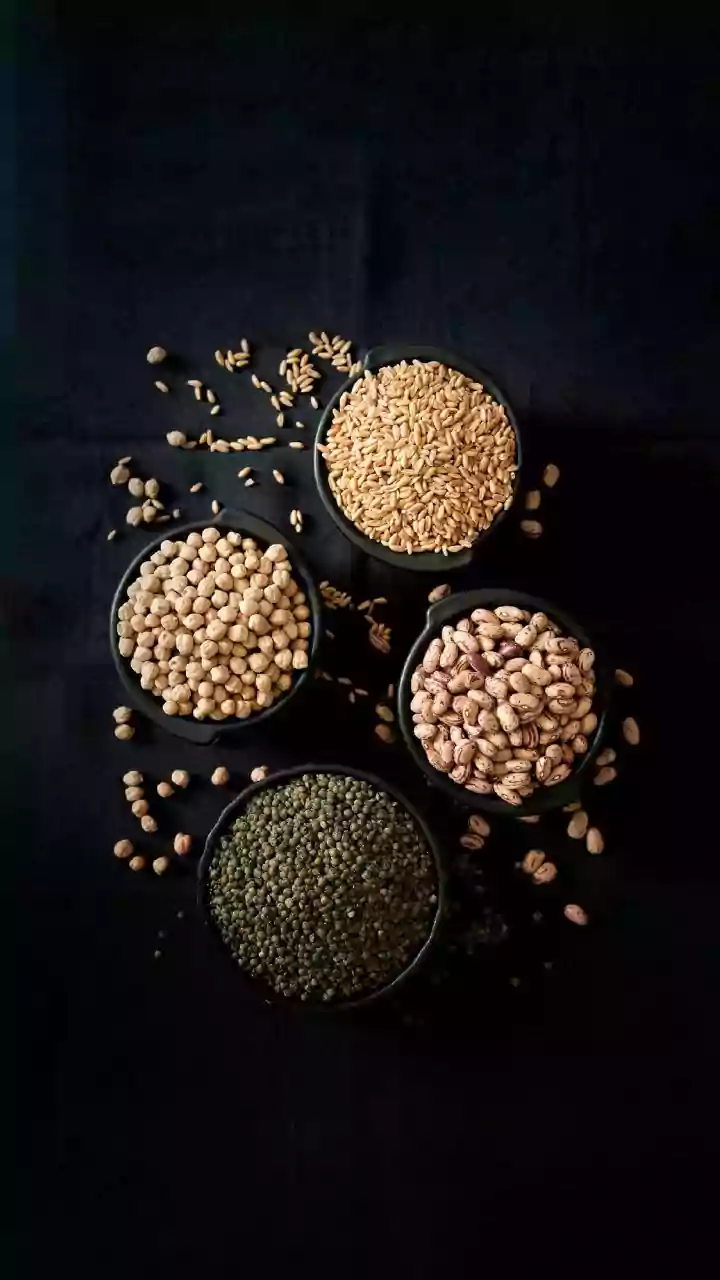
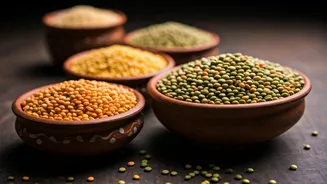
The single most powerful shift is diversifying your grains. India has a rich heritage of millets like ragi (finger millet), jowar (sorghum), and bajra (pearl millet) that were staples before the Green Revolution pushed rice and wheat to the forefront. Nutritionally, millets are powerhouses. Compared to white rice, they are packed with more fibre, protein, and essential minerals like iron and calcium. Their lower glycaemic index also helps in managing blood sugar levels, a growing concern for many families. Diversifying your pantry with these ancient grains not only boosts your family's health but can also offer more price stability, as they are often hardier crops that are less water-intensive.
The Smart Shopping Playbook
A smarter staple strategy begins before you even enter the store. Planning is paramount. Create a meal plan for the week to know exactly what you need, which helps prevent impulse buys and reduces waste. When it comes to purchasing, 'buy in bulk' is not always the best advice. It works for items you consume quickly, but for others, it can lead to spoilage. Buy only what you can store properly and will realistically use. Always check expiry dates and practice the 'First In, First Out' (FIFO) method at home—using older stock before opening new packets. This simple habit of rotation can drastically cut down on forgotten items expiring at the back of a cabinet.
Mastering Storage to Minimise Waste
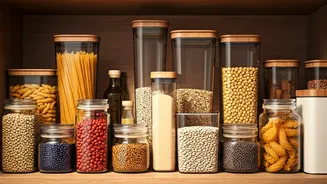
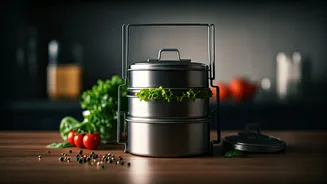
An estimated 50 kg of food is wasted per person annually in Indian households. A significant portion of this comes from improperly stored staples. Heat, air, and moisture are the enemies of freshness. Transfer grains, flours, and spices from their original packaging into airtight containers. This not only protects them from pests but also preserves their flavour and nutritional value. Labelling containers with the item name and purchase date is a simple trick that brings immense order. Store items like onions and potatoes in a cool, dark place, not in the fridge. Taking a few minutes to store groceries correctly upon returning from the market can save money and prevent the frustration of discovering spoiled food.
A Modern Mindset for a Modern Kitchen
Ultimately, a smarter staple strategy is about adopting a more mindful and flexible approach. It's about seeing your kitchen pantry not as a static storehouse, but as a dynamic system that adapts to your family's needs, health goals, and the world outside. It involves breaking from tradition where necessary—choosing a variety of grains, buying smaller quantities more frequently if that suits your lifestyle, and embracing the idea that reducing waste is as important as finding a good deal. This shift doesn't require a complete overhaul overnight. It can start small: trying one new millet a week, planning two days of meals in advance, or organising just one shelf in your pantry. Each small step contributes to a more resilient, healthy, and cost-effective kitchen.