

A Stand Against Sameness
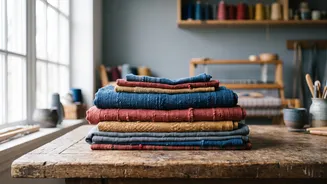
For a generation raised on social media, where trends can feel overwhelmingly uniform, the search for authentic self-expression is paramount. Mass-produced clothing offers consistency, but hand-woven textiles offer character. Slight variations in a weave,
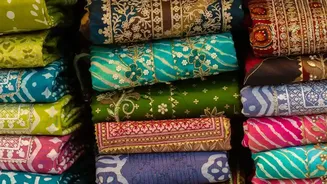
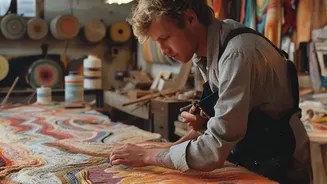
a minor inconsistency in a block print, or the unique feel of a hand-spun thread are no longer seen as flaws. Instead, they are celebrated as markers of authenticity—proof that a human hand, not just a machine, created the garment. This appreciation for the 'imperfect' is a direct reaction against the curated perfection of digital life and the homogeneity of fast fashion, allowing for a style that is truly individual.
Sustainability as a Style Statement
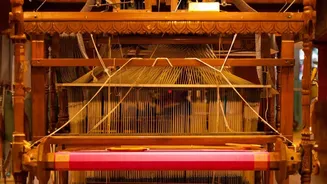
Gen Z is acutely aware of the environmental and ethical costs of the fashion industry. They are increasingly demanding transparency and sustainability from the brands they support. Handloom production, which often uses natural fibres like cotton and silk and relies on manual energy rather than electricity, has a much smaller carbon footprint. Choosing a handloom piece is a conscious decision to support more eco-friendly practices and reject the wasteful cycle of disposable fashion. For many young consumers in India, wearing sustainable fabrics is a tangible representation of their values and a way to make a positive impact with their wardrobe choices.
Connecting with Cultural Heritage
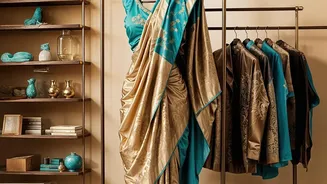
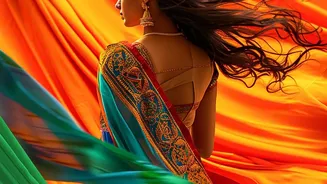
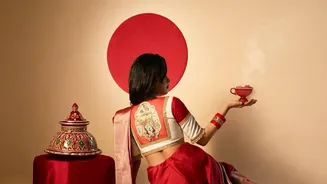
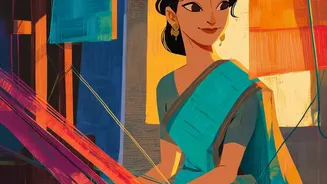
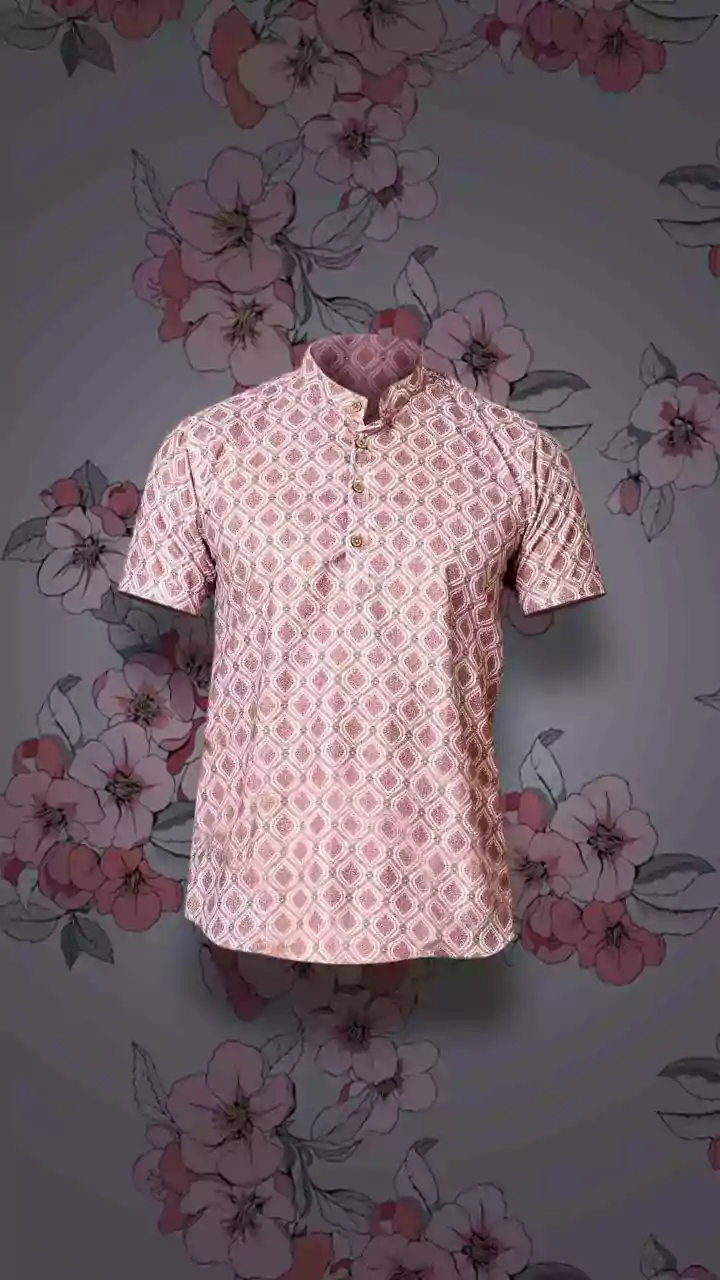
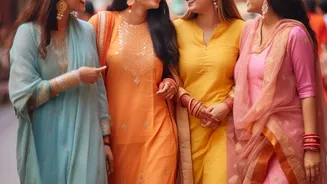
In India, the handloom revival is deeply connected to a renewed interest in cultural identity. For many young Indians, wearing fabrics like Khadi, Jamdani, or Pochampally Ikat is an act of pride and a way to connect with their roots. These textiles carry the stories of craftsmanship and heritage passed down through generations. As indie labels and designers reimagine these traditional weaves into modern silhouettes—pairing handloom kurtas with jeans or draping sarees over trousers—they make heritage accessible and cool for a new generation. This trend not only helps preserve ancient crafts but also supports the livelihoods of rural artisans.
The Sensory Appeal of Texture
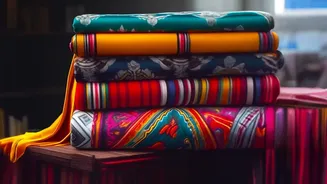
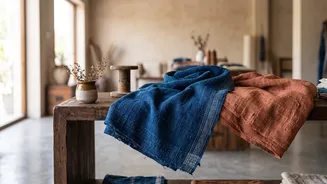
In an increasingly digital world, there is a growing craving for tangible, sensory experiences. The psychology of touch plays a significant role in our sense of comfort and well being. Smooth, mass produced synthetic fabrics can feel sterile, while the varied and rugged textures of hand woven materials like raw silk or linen feel more grounded and real. The feeling of a natural, textured fabric provides a sensory connection that is often missing from our screen filled lives. This desire for the tactile and the authentic makes the physical feel of a garment as important as its visual appearance.
The Paradox of the 'Gram
While the move towards handloom is a reaction against digital saturation, social media has also been a powerful catalyst for its revival. Platforms like Instagram and TikTok are where Gen Z discovers and shares new styles. The unique textures, vibrant colours, and compelling stories behind hand woven garments make for standout content that cuts through the noise of generic fashion posts. Influencers and everyday users alike are showcasing creative ways to style traditional fabrics, inspiring their followers to embrace these textiles and make them their own. In this way, the digital world is paradoxically fueling the demand for the authentic and the handmade.