


The Science of a Spasm
Muscle cramps are involuntary, painful contractions of a muscle that refuse to relax. While the exact cause can be complex, they are often linked to dehydration and an imbalance of electrolytes. When you sweat from exercise or heat, you don't just lose
water; you lose crucial minerals. These minerals, known as electrolytes, are essential for your nerves and muscles to communicate properly. Think of them as the body's electrical wiring. Key players include sodium, potassium, magnesium, and calcium. An imbalance in these can cause nerve signals to misfire, telling a muscle to contract but failing to give the signal to relax, resulting in a cramp.
Meet Your Body’s Electrolyte Team
To understand how to fight cramps, it helps to know the main players. Sodium and potassium are a critical duo that work via the 'sodium-potassium pump' in every cell. Sodium helps trigger muscle contractions, while potassium helps muscles relax. If you have too much of one and not enough of the other, this delicate balance is thrown off, impairing muscle function. Magnesium also plays a vital role in muscle relaxation, and calcium is needed for contractions to occur. A deficiency in any of these can make you more susceptible to cramps.
Coconut Water: Nature’s Potassium Boost
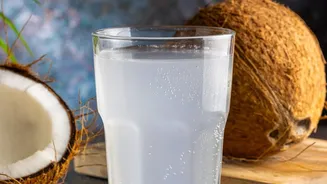
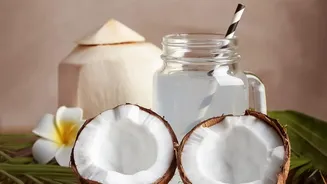
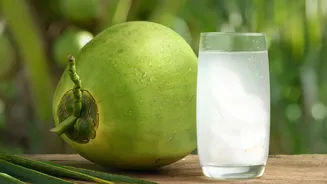
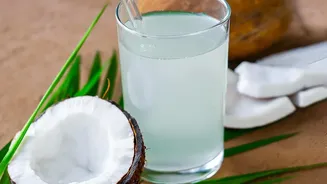
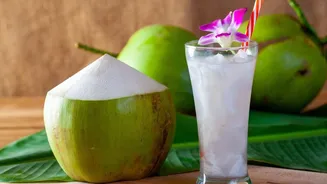
Coconut water has surged in popularity as a natural alternative to sugary sports drinks, and for good reason. It is an excellent source of electrolytes, especially potassium. A single cup can contain more potassium than a banana, a nutrient crucial for helping muscles relax. When you're low on potassium, your muscles are more prone to cramping. By providing a significant dose of this key electrolyte, coconut water helps replenish your stores, particularly after exercise, which can reduce your susceptibility to post-workout cramps. It also contains other electrolytes like magnesium, calcium, and some sodium, making it a well-rounded hydrator.
Rock Salt: The Sodium and Mineral Factor
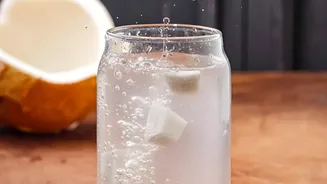
While coconut water is a potassium star, it's relatively low in sodium—the main electrolyte you lose through sweat. This is where rock salt, known in India as 'sendha namak', comes in. Unlike processed table salt, rock salt is a pure, crystalline form of sodium chloride that often contains dozens of other trace minerals, including magnesium and potassium. Adding a pinch of rock salt to your hydration plan helps replenish the sodium lost during physical activity. This is vital because sodium helps the body retain water, preventing dehydration, and is essential for nerve transmission and muscle contraction.
The Perfect Pair for Hydration
The combination of coconut water and rock salt creates a powerful, natural electrolyte drink. The high potassium from the coconut water and the sodium from the rock salt work together to restore the crucial sodium-potassium balance required for optimal muscle function. The potassium helps muscles relax, while the sodium ensures they can contract properly and helps your body hold onto the hydration you're taking in. This pairing provides a more complete electrolyte profile than either ingredient alone, addressing the primary minerals lost in sweat and helping to keep cramps at bay.
Your DIY Cramp-Busting Elixir
Making your own electrolyte drink is simple. Just add a small pinch (about 1/4 teaspoon) of finely ground rock salt to a glass of unsweetened coconut water (about 250-300ml) and stir until it dissolves. For flavour, you can add a squeeze of fresh lime juice, which also provides a small boost of vitamin C. This drink is ideal for sipping during or after a workout, on a particularly hot day, or whenever you feel dehydrated. It’s a natural, effective, and affordable way to replenish lost electrolytes without the added sugars and artificial ingredients found in many commercial sports drinks.