



Choosing Your First Green Friends
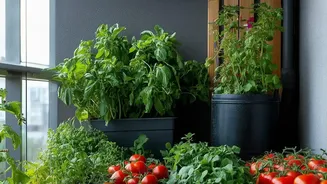
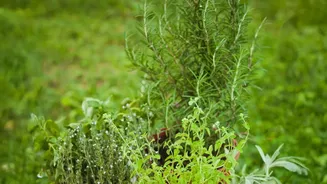
The key to a successful start is choosing herbs that are forgiving and well-suited to the Indian climate. Instead of getting overwhelmed, begin with a few easy-to-grow essentials that are staples in Indian kitchens. Mint (pudina) is incredibly resilient
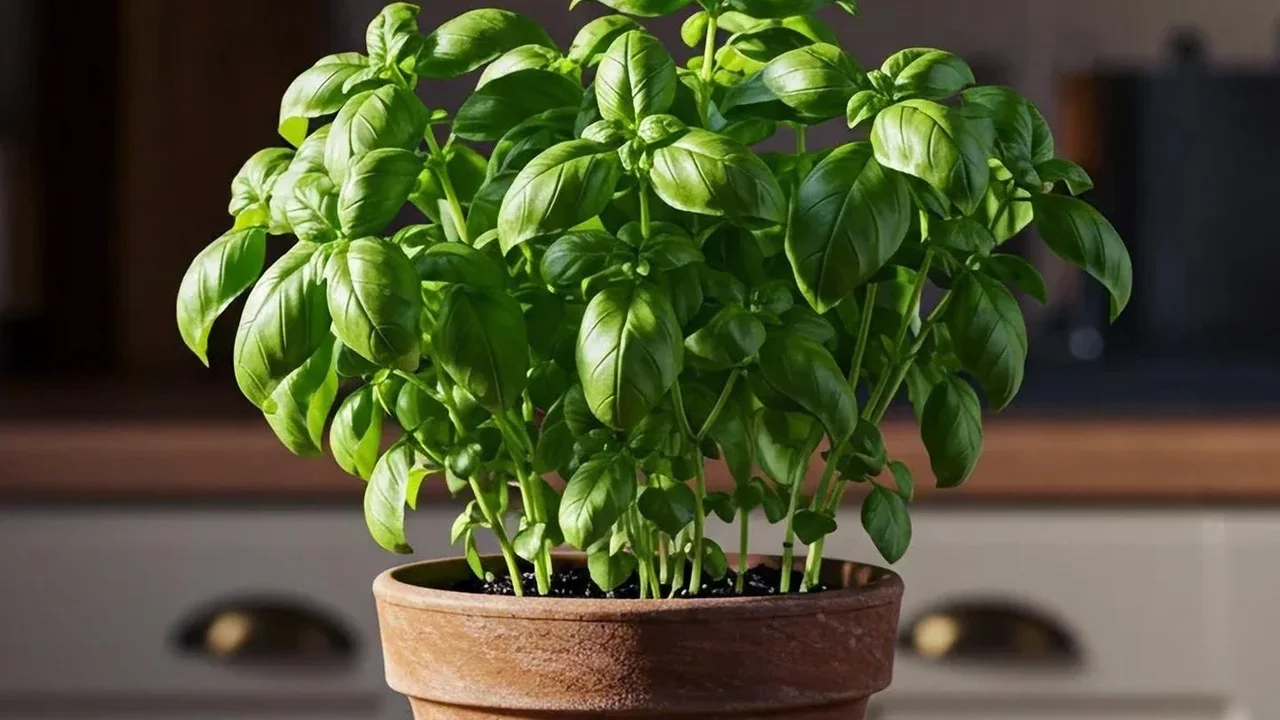
and grows vigorously, perfect for chutneys and drinks. Holy Basil (tulsi) is another hardy choice that loves sunlight and is a must-have in many homes for its medicinal and culinary uses. Coriander (dhania) can also be grown successfully with a bit of care, providing fresh leaves for garnishing. Other great options for beginners include Curry Leaves (kadi patta) and Carom (ajwain), both of which are relatively low-maintenance.
The Right Pot and Perfect Spot
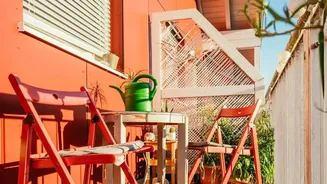
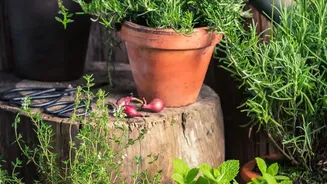
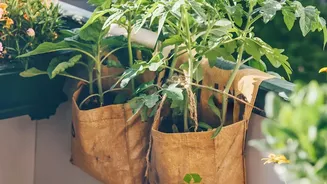
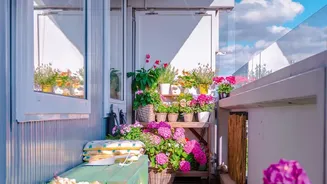
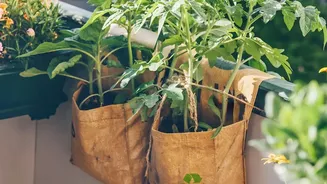
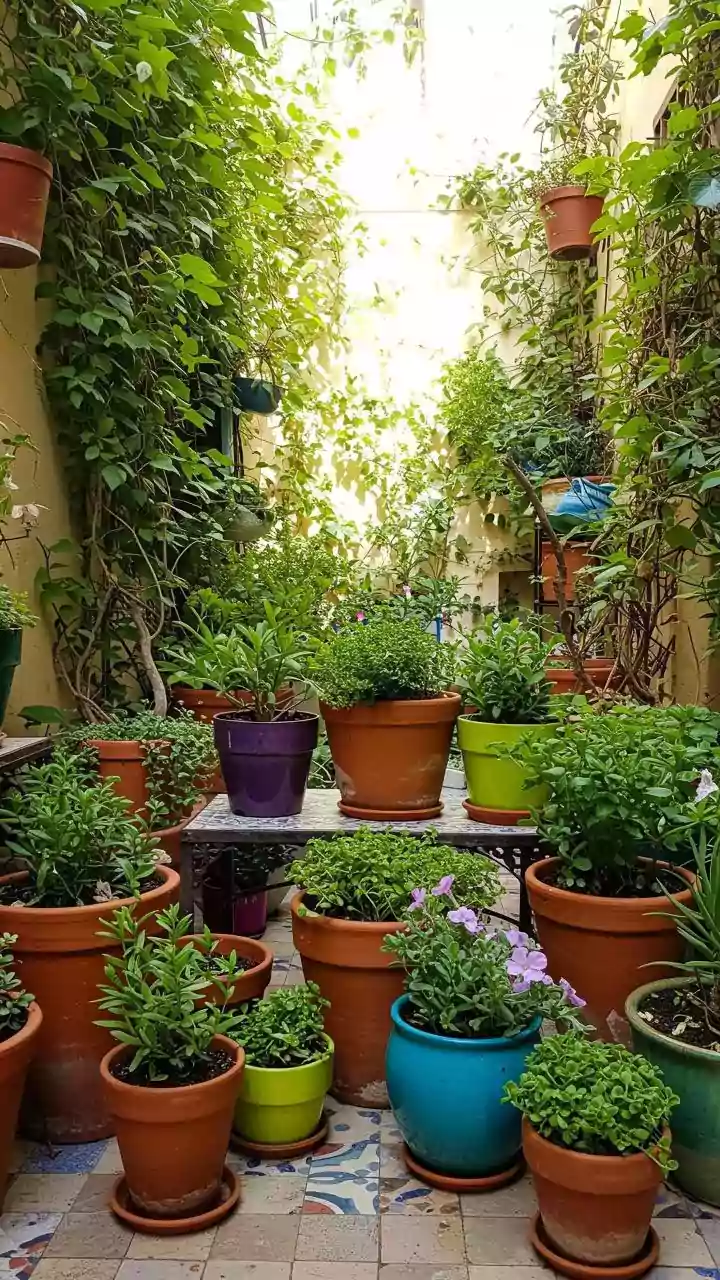
Your herbs' home is as important as the plants themselves. Most herbs are not fussy, but they have two non-negotiable needs: adequate space and good drainage. Choose pots that are at least 8 to 12 inches deep to give roots room to grow. Terracotta or clay pots are excellent choices as they are porous and allow roots to breathe, but recycled plastic containers will also work as long as you ensure they have drainage holes at the bottom. Herbs thrive on sunlight, needing about four to six hours of direct light daily. A south or west-facing balcony is often ideal, but an east-facing spot that gets gentle morning sun also works well, especially for herbs like mint that can tolerate partial shade.
Creating the Ideal Soil Mix
Using soil directly from the ground is a common mistake, as it can be too dense, preventing roots from growing and water from draining properly. Herbs prefer a light, well-draining potting mix. You can buy a commercial potting mix or easily create your own. A reliable DIY recipe is to combine equal parts garden soil, compost (or vermicompost), and cocopeat. The compost provides essential nutrients, while the cocopeat helps retain moisture without making the soil heavy. For herbs that prefer even better drainage, adding a handful of sand or perlite to the mix can prevent waterlogging.
Watering Without Drowning
Overwatering is one of the most common reasons container herbs fail. Unlike plants in the ground, potted herbs can't easily shed excess water, leading to root rot. The best rule of thumb is to water only when the top inch or two of the soil feels dry to the touch. When you do water, do it thoroughly until you see water draining from the bottom holes. This ensures the entire root system gets hydrated. In hot Indian summers, you may need to water daily, but during monsoon and winter, reduce the frequency. Mint is more forgiving of moisture, but herbs like basil and coriander need consistently moist, not soggy, soil.
Harvesting for Abundance
The most rewarding part of growing herbs is harvesting them. Regular harvesting actually encourages plants to become bushier and more productive. For leafy herbs like basil, mint, and coriander, pinch or snip off the top leaves just above a set of two leaves (a node). This will prompt the plant to grow two new stems from that point. Avoid stripping all the leaves from one stem. A good practice is to never harvest more than one-third of the plant at a time. For basil, be sure to pinch off any flower buds that appear; once the plant flowers, its leaves can turn bitter.