



The Thrill of the Hunt
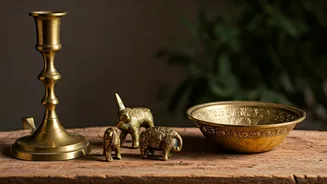
The first step is finding your treasure. Keep an eye out at flea markets, local kabadiwalas, antique shops, and online marketplaces. You're looking for items with good 'bones'—a beautiful shape or interesting detail. Common finds in India include traditional
urlis, intricate diyas, old lamps, small animal figurines, vases, and planters. Don't be deterred by tarnish, dirt, or a dull finish; that’s what we're here to fix. A great pro tip for identifying solid brass versus brass-plated steel or iron is the magnet test. If a magnet sticks to the item, it's likely brass-plated. If it doesn’t stick, you've probably found solid brass, which is much easier to restore and will last a lifetime.
Cleaning: The Natural Way
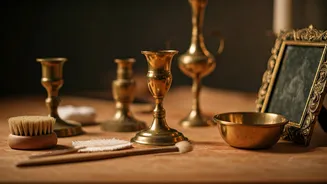
Before you reach for harsh chemicals, try a simple, effective, and eco-friendly cleaning method using ingredients from your own kitchen. For light tarnish, a simple paste of lemon juice and salt is remarkably effective. Cut a lemon in half, dip it in salt, and rub it directly onto the brass surface. The mild acid from the lemon and the abrasive salt will gently lift away years of grime. For a slightly stronger, hands-off approach, create a paste using equal parts salt, flour, and white vinegar. Apply a thick layer to the brass item, let it sit for up to an hour, and then rinse it off with warm water and buff dry with a soft cloth. You will be amazed at the shine hiding underneath.
When You Need More Power
For heavily tarnished or stubborn pieces, you might need to bring in a commercial cleaner. Products like Brasso are widely available and have been trusted for generations for a reason. When using a commercial polish, always work in a well-ventilated area and wear gloves to protect your hands. Apply a small amount of the polish to a soft cloth and rub it onto the brass in small, circular motions. You'll see the tarnish transfer onto the cloth. Continue buffing with a clean section of the cloth until you achieve the desired level of shine. Finally, use another clean, dry cloth to buff away any remaining polish residue for a brilliant, mirror-like finish.
The Patina Question
Before you polish every piece to a high shine, consider the alternative: embracing the patina. Patina is the soft, greenish or brownish film that develops on brass over time due to oxidation. For many designers and collectors, this aged look is highly desirable, as it tells a story and adds character, depth, and a sense of history to a piece. A high-shine finish feels modern, glamorous, and bright. An aged patina feels organic, rustic, and soulful. There is no right or wrong answer here. The choice between a polished or patinated finish is purely aesthetic and depends on the style of your home and your personal preference. You can even have a mix of both for a layered, curated look.
Styling Your New Statement Piece
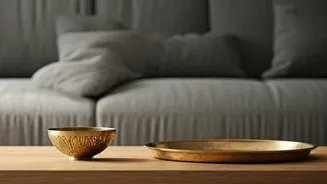
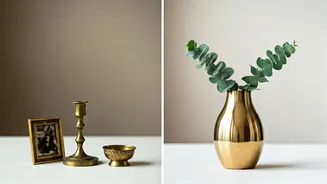
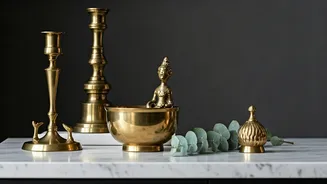
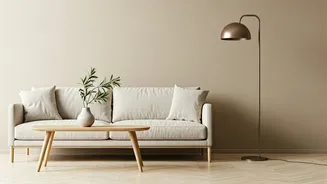
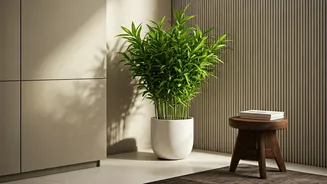
Now for the fun part: showing off your handiwork. The warmth of brass pairs beautifully with a variety of modern decor styles. Place a large, polished brass vase on a minimalist console table with a single, dramatic palm leaf. Group a collection of small, quirky brass animals on a bookshelf to add a touch of whimsy. Repurpose a vintage brass urli as a chic catch-all bowl on your entryway table or fill it with water and floating flowers for a serene centrepiece. A tall, vintage brass lamp can become the focal point of a reading nook, casting a warm, inviting glow. The key is to let the brass piece shine. Juxtapose it with contrasting textures like wood, marble, velvet, or concrete to make it truly pop and feel intentional in your contemporary space.