







A Shock to the System
The International Energy Agency (IEA) has put the tech world on notice. According to its latest projections, global electricity consumption from data centers is on track to nearly double between 2025 and 2030, surging from roughly 485 terawatt-hours (TWh)
to around 950 TWh. To put that in perspective, the projected 2030 demand is more than the current annual electricity consumption of many industrialised nations. By the end of the decade, these digital factories will account for an estimated 3% of all electricity used worldwide. This unprecedented growth rate, far outpacing the expansion of overall electricity demand, is forcing cloud providers to confront a critical question: where will all that power come from?
The AI Fuel Factor
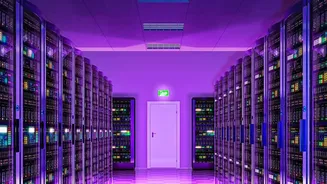
The primary driver behind this explosive growth is the artificial intelligence boom. Training and operating large AI models, especially generative AI, is incredibly energy-intensive. While overall data center electricity demand grew 17% in 2025, consumption from AI-focused facilities surged by 50%. An AI server rack, the size of a large refrigerator, could soon demand as much power as dozens of households. This dramatic increase in 'power density' is driven by the complex computations required for AI tasks, which can use hundreds or even thousands of times more energy than a simple text query. As companies worldwide race to integrate AI, they are indirectly fueling a historic spike in the energy needed to run the digital world.
The Race for Green Power
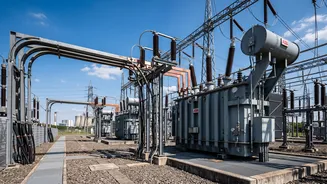
In response, the world's largest cloud providers—Amazon Web Services (AWS), Microsoft Azure, and Google Cloud—have become some of the biggest corporate buyers of renewable energy on the planet. Microsoft, for example, is on track to power its data centers with 100% renewable energy by 2025 and has invested in massive solar and wind projects. Similarly, Amazon announced that in 2025, for the third year in a row, it matched 100% of its electricity consumption with renewable energy sources. Google has also been a major procurer, signing deals for over 12 gigawatts of clean energy in 2025 alone. These companies are pouring billions into Power Purchase Agreements (PPAs) to finance new wind and solar farms, attempting to scale their green energy supply in lockstep with their ballooning operational needs.
Beyond Renewables: Efficiency and Innovation
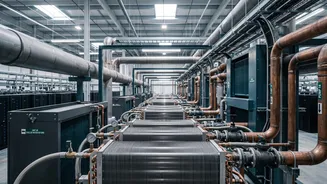
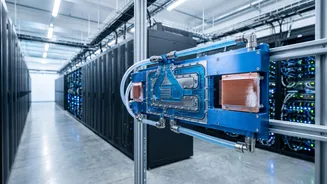
Sourcing clean energy is only part of the solution. The cloud giants are also in an arms race to improve efficiency. This includes everything from designing their own custom chips, like AWS Graviton processors that use up to 60% less energy, to developing advanced cooling systems that dramatically reduce overhead power consumption. Google boasts an industry-leading Power Usage Effectiveness (PUE) of 1.09, meaning its facilities use very little energy on non-computing tasks like cooling. Microsoft is exploring novel cooling methods and even materials science with 'Project Zerix' to build net-zero waste data centers. Looking ahead, some providers are even exploring onsite gas power generation and future technologies like small modular nuclear reactors to guarantee a stable, high-volume power supply independent of strained public grids.
A New Global Chessboard
The hunt for power is reshaping how and where cloud providers expand. Securing massive, reliable, and increasingly green electricity has become a primary factor in strategic planning. Companies are no longer just tech giants; they are sophisticated energy players, negotiating directly with utilities and influencing grid development. However, they face significant bottlenecks, including slow grid connection processes and local opposition to new data centers. The choice of power source also has geopolitical dimensions, with reliance on natural gas projected to rise in the U.S. to meet demand, while coal remains a significant factor in regions like China. This new reality means the future of cloud computing is inextricably linked to the complexities of global energy policy, infrastructure investment, and the urgent push for a sustainable energy transition.