



The Journey of Your Meal
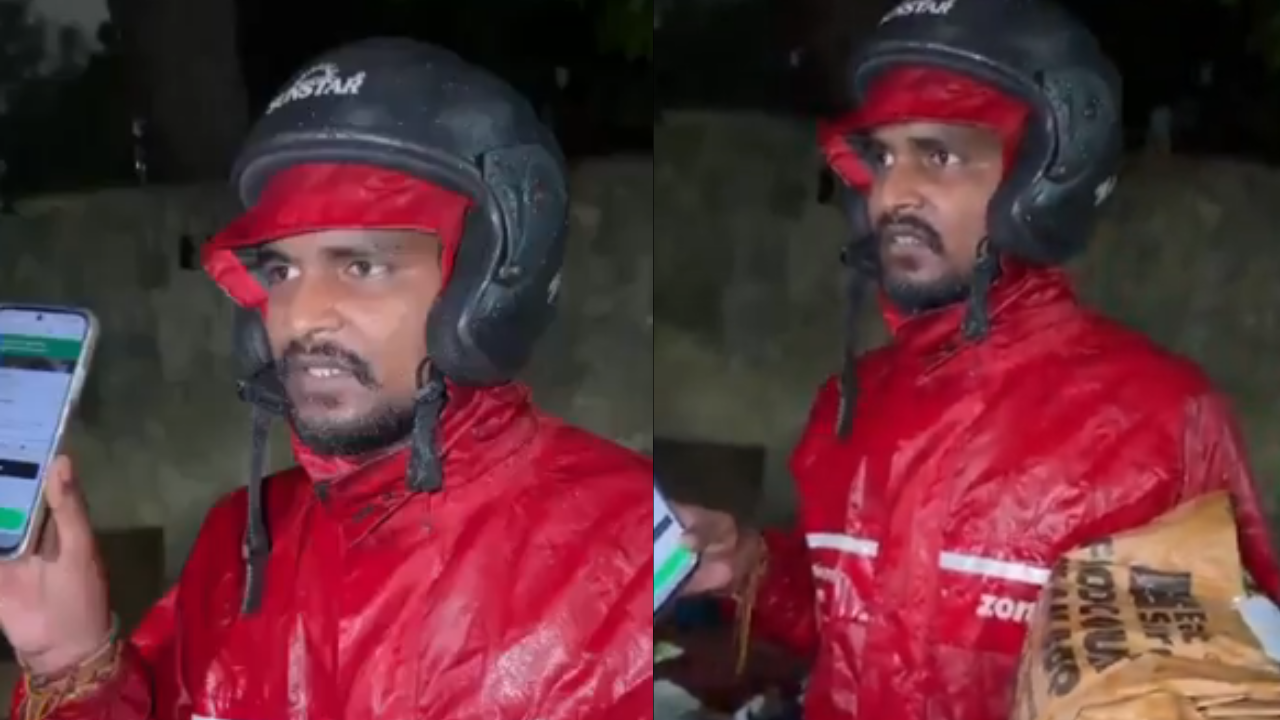
From the moment you tap 'place order' to when the doorbell rings, your food parcel embarks on a small but significant journey. It's prepared in a busy kitchen, packaged, handed over to a delivery partner, and then transported through traffic to reach
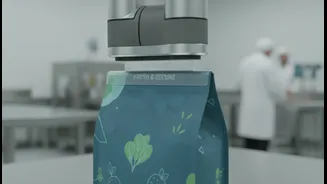
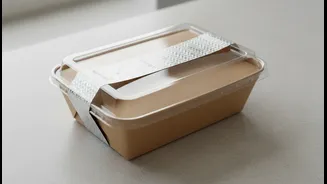
you. Each step presents a potential risk for contamination, spills, or even deliberate tampering. This makes the integrity of the packaging, especially its seal, incredibly important. A securely closed parcel is the restaurant's promise to you that the contents have been protected from the moment they were packed until you break the seal yourself. It's a simple feature that provides a powerful layer of security and peace of mind.
Why a Broken Seal Is a Red Flag
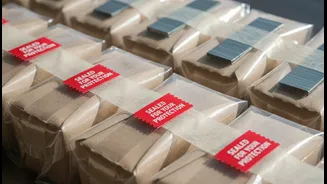
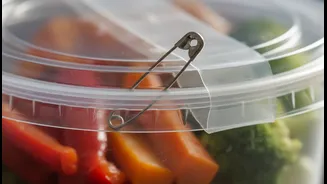
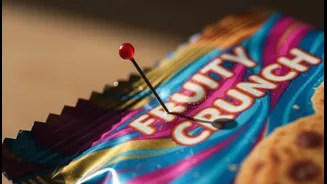
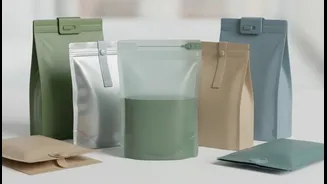
A broken or weak seal is more than just a packaging flaw; it's a significant food safety risk. Tamper-evident packaging is designed to provide clear visual proof if a container has been opened or compromised. An unsealed box can expose your food to airborne contaminants and bacteria during transit. More seriously, it creates an opportunity for intentional tampering, which could involve anything from pilfering a few fries to more malicious acts. The Food Safety and Standards Authority of India (FSSAI) has regulations that mandate the use of food-grade packaging materials to prevent chemical contamination and protect food integrity during delivery. While these rules exist, a compromised seal defeats their purpose, making it crucial for consumers to be vigilant.
Your Quick Guide to a Safer Parcel
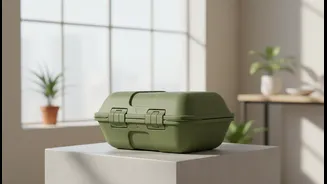
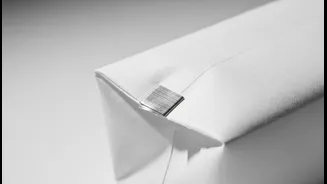
Becoming a savvy consumer doesn't take much effort. When your order arrives, take a few seconds to perform these simple checks before accepting it. Look for tamper-evident features like branded stickers that tear upon opening, interlocking container lids that click shut, or fully sealed bags. These are designed to be broken only once. Check for any signs of damage to the package itself, such as leaks, crushes, or stains. If a container is supposed to be sealed and it arrives open, or if the seal looks like it has been removed and reapplied, it is a major warning sign. Trust your instincts; if the packaging looks suspicious or disturbed in any way, it's best not to take a chance.
Beyond the Seal: Other Safety Checks
While the seal is paramount, other factors contribute to food safety. Check the temperature of the food upon arrival. Hot food should be hot, and cold food should be cold. Perishable foods should not be left in the 'danger zone' (between 40°F and 140°F) for more than two hours, as this is when bacteria can multiply rapidly. Also, observe the general condition of the packaging. Is it clean? Are there any signs of pests? FSSAI regulations also prohibit using materials like newspaper for wrapping food due to harmful inks. A reputable restaurant and delivery service will ensure the entire package, not just the seal, meets high standards of hygiene and safety.
What to Do With a Compromised Order
If you receive a food delivery with a broken seal or in damaged packaging, you have the right to refuse it. Do not accept the order. Immediately take a picture of the compromised parcel and contact the customer service of the food delivery platform or the restaurant directly. Under the Consumer Protection Act, 2019, you are protected against deficient services and have a right to redressal. This can include a refund or a replacement. Platforms like Swiggy and Zomato have grievance officers to handle such complaints. By reporting the issue, you not only resolve your immediate problem but also help hold restaurants and delivery services accountable, contributing to a safer ecosystem for everyone.