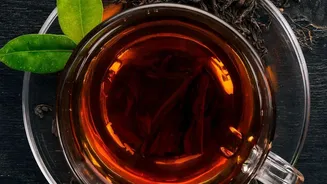




What is Nilgiri Orthodox Tea?
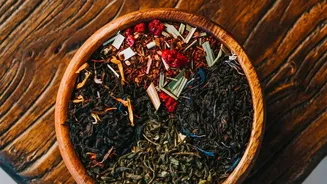
Nilgiri tea comes from the Blue Mountains of Southern India, a region whose high elevation and unique climate produce teas that are famously fragrant and smooth. Unlike the more common, machine-processed CTC (crush, tear, curl) teas used in many tea bags,
orthodox tea is made using traditional methods that prioritize keeping the leaf whole. The leaves are carefully hand-rolled or machine-rolled to preserve their structure, which results in a more nuanced, complex flavor profile with very little bitterness. Nilgiri orthodox teas are known for being light-bodied with floral and fruity notes, making them exceptionally smooth and naturally sweet on the palate.
The Cold Brew Antioxidant Advantage
Tea is rich in antioxidants like polyphenols and catechins, which are linked to various health benefits. When you brew tea with hot water, these compounds are extracted very quickly. However, high temperatures can also degrade some of the more delicate, heat-sensitive compounds. Cold brewing, which involves steeping tea leaves in cold water for an extended period (typically 8-12 hours), offers a gentler alternative. This slow, patient infusion extracts compounds differently. While some studies suggest hot water pulls out a higher total volume of antioxidants, others have found that cold brewing is better at preserving specific types, like EGCG, and can yield a comparable antioxidant level without destroying them with heat. The process allows for a full, gentle extraction of beneficial compounds without the risk of thermal degradation.
Less Bitterness Means Less Sugar
The primary reason many people add sugar to tea is to counteract its natural bitterness. This bitterness comes from tannins, a type of polyphenol that is rapidly extracted by hot water. The faster and hotter the brew, the more tannins are released, which can lead to an astringent, mouth-puckering taste. Cold water, on the other hand, lacks the thermal energy to pull out tannins as aggressively. It primarily extracts the lighter, more aromatic flavor molecules first, leaving most of the bitter tannins behind in the leaf. The result is a remarkably smooth, round, and naturally sweeter-tasting tea. Many find that cold-brewed Nilgiri tea is so palatable on its own that it requires no sugar at all, making it an effortlessly healthy choice.
How to Cold-Brew at Home
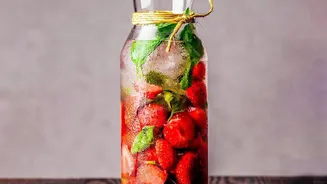
Making your own cold-brewed Nilgiri tea is incredibly simple. You don't need any special equipment, just time. A good starting point for the ratio is about 1 to 2 teaspoons of loose-leaf Nilgiri orthodox tea for every 8 ounces of cold, filtered water. Simply combine the tea leaves and water in a clean glass jar or pitcher, stir gently, and cover it. Place the container in your refrigerator for 8 to 12 hours. There's a wide margin for error; unlike hot tea, over-steeping is difficult. When it's done, simply strain the leaves out using a fine-mesh sieve or cheesecloth. The finished tea will be crisp, clean, and ready to drink. It will keep in the refrigerator for several days.