







From Weather Anomaly to Economic Headline
El Niño is a climate pattern marked by the unusual warming of sea surface temperatures in the central and eastern Pacific Ocean. While it sounds distant, its consequences are deeply local for India. The phenomenon is known to disrupt global atmospheric
circulation, often leading to a weaker and more erratic southwest monsoon. With nearly 70% of India's annual rainfall occurring during this season, any disruption immediately threatens agriculture, which remains a key driver of the national economy. Forecasters at the India Meteorological Department (IMD) and global agencies like the World Meteorological Organization (WMO) have been flagging the strengthening of El Niño conditions, raising concerns over a potentially below-normal monsoon. This isn't just a concern for farmers; it's a signal of potential economic headwinds that affect everyone.
The Direct Hit on Agriculture and Rural Incomes
The most immediate impact of a weak monsoon is on agriculture. With about half of India's net sown area being rain-fed, a deficit in rainfall directly affects the sowing and yield of crucial kharif crops like rice, cotton, soybean, and pulses. June 2026, for instance, recorded a significant rainfall deficit which delayed sowing operations and reduced the total area under cultivation compared to the previous year. Lower crop output has a dual effect: it reduces the income of millions of farmers and leads to a scarcity of essential food commodities. This pressure on farm incomes is the first domino to fall, triggering a slowdown in rural demand. When farmers earn less, their ability to spend on discretionary items, from two-wheelers to consumer goods, is significantly curtailed.
The Ripple Effect: Food Inflation and Urban Wallets
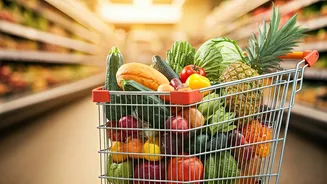
The shockwave from the farm doesn't stop at the village boundary. Reduced agricultural output quickly translates into higher food prices across the country. Vegetables, which are highly sensitive to weather conditions and cannot be stored for long, often see sharp price spikes. Since food constitutes a large portion of the average Indian household's spending, this inflation aggressively erodes purchasing power for everyone. Urban consumers feel the pinch as their monthly budgets are squeezed by costlier groceries, leaving less money for other goods and services. This can lead to a broader economic slowdown, as reduced consumer spending affects businesses across multiple sectors. Economists warn this combination of slowing growth and rising inflation poses a significant challenge.
How Companies Are Bracing for Impact
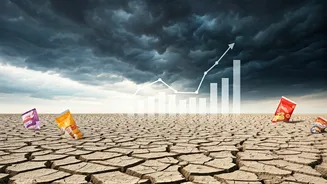
Fast-Moving Consumer Goods (FMCG) companies, which rely heavily on rural consumption, are watching the monsoon's progress with caution. A slowdown in rural demand, which had only recently started to recover, could hamper growth just as companies prepare for the festive season. In response to potential income pressure, some companies have already adopted strategies like reducing pack sizes to keep key price points like ₹5 and ₹10 intact, a practice known as 'shrinkflation'. While major firms like Dabur and Godrej Consumer Products have expressed confidence in their ability to manage the risks, they have also acknowledged El Niño as a key variable that could disrupt rural demand. Many are closely monitoring rainfall distribution and commodity prices to calibrate their marketing and spending strategies by region.