
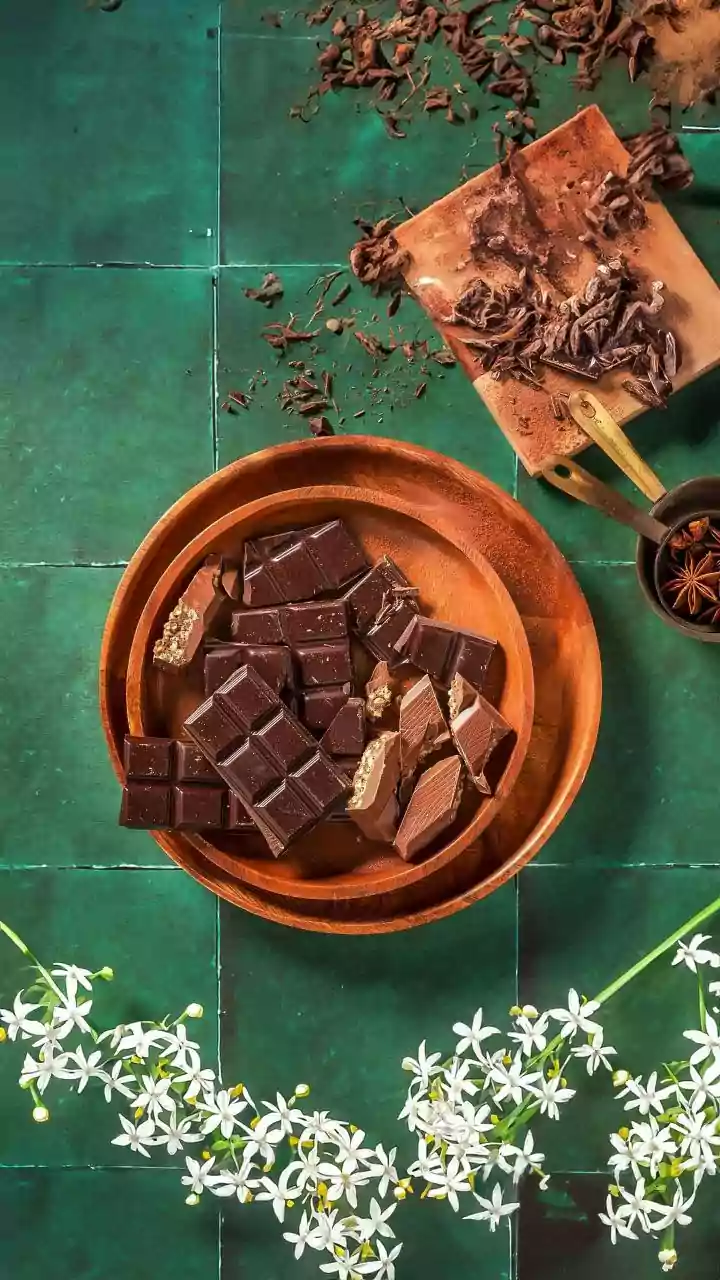





From Intercrop to Star Crop
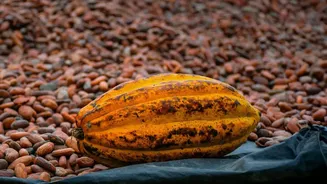
For decades, Indian cacao was a background character in the country's agricultural story. Grown mostly in the southern states of Kerala, Karnataka, Andhra Pradesh, and Tamil Nadu, it was treated as an intercrop, planted in the shade of coconut, areca
nut, and rubber trees. Farmers often sold wet, unfermented beans to middlemen, with little focus on quality. But now, that narrative is changing dramatically. A new generation of farmers and cooperatives are focusing on meticulous post-harvest practices, including proper fermentation and drying, which are crucial for developing complex flavours. Regions like the Idukki district in Kerala and the Godavari basin in Andhra Pradesh are becoming celebrated for their high-quality beans, turning cacao from a simple commodity into a prized ingredient.
The Bean-to-Bar Philosophy
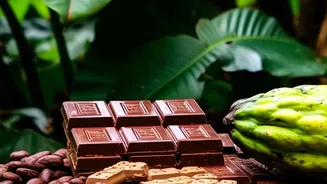
So, what does 'bean-to-bar' actually mean? It signifies that a single maker controls the entire chocolate-making process, from sourcing the cacao beans to crafting the final bar. This approach is the polar opposite of mass-market chocolate production. By managing every step—roasting, grinding, conching (a process of mixing and aerating), and tempering—artisanal makers can ensure unparalleled quality and transparency. This method allows them to highlight the unique flavour profile of the beans, which is heavily influenced by 'terroir'—the specific soil, climate, and environment where the cacao is grown. For the consumer, it means a chocolate bar that tells a story of its origin.
Tasting the Indian Terroir
Indian cacao offers a flavour spectrum that is as diverse as the country itself. The practice of intercropping, where cacao grows alongside spices and fruits, subtly influences the beans' final taste. Cacao from Kerala, for instance, is known for its complex, fruity, and sometimes spicy notes, with hints of green apple, apricot, or black pepper. Beans from Karnataka might have a nuttier profile, while those from the Godavari region of Andhra Pradesh can be memorably fruity. These unique characteristics are what urban chocolatiers are so excited to explore and preserve, creating bars that are a true expression of their Indian roots.
Meet the Metro Makers
Across India's metros, a vibrant community of chocolatiers is turning these exceptional beans into world-class chocolate. In Hyderabad, Manam Chocolate works directly with a network of farmers in Andhra Pradesh to create single-estate bars that have gained international acclaim. In Auroville, Mason & Co, one of the movement's pioneers, has built its brand on organic, vegan, and ethically sourced beans from South Indian farms. Kochi-based Paul and Mike are celebrated for their experimental bars that incorporate local flavours like jamun and sitaphal, while Soklet offers a true 'tree-to-bar' experience, growing its own cacao in the Anamalai foothills. These brands, along with others like Bon Fiction, Naviluna, and Pascati, are not just making chocolate; they are creating a new identity for it.
A Growing Appetite for Quality
This movement isn't just about the supply; it's also driven by a significant shift in consumer demand. Urban Indians are increasingly seeking out locally sourced, high-quality, and ethically produced foods. There's a growing appreciation for craftsmanship and a desire to understand the story behind a product. The pandemic also acted as a catalyst, fuelling a rise in home-grown entrepreneurs and a greater interest in where our food comes from. As a result, what was once a niche interest is now a flourishing market, with bean-to-bar chocolates appearing in gourmet stores, cafes, and online, finding an eager audience ready for a more conscious and delicious indulgence.