




The Hidden Downsides of a Quick Breakfast
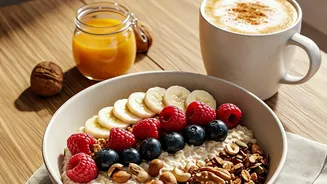
Packaged breakfast cereals are marketed as a quick and easy start to the day. However, a closer look at the nutrition label often reveals a less wholesome picture. Many popular cereals are highly processed and loaded with added sugars, refined grains,
and sodium. This combination can lead to a rapid spike and subsequent crash in blood sugar levels, leaving you feeling hungry and tired well before lunchtime. Furthermore, the industrial refining process strips grains of their natural fibre and essential nutrients like B-vitamins and magnesium. While some products are fortified with vitamins, they often lack the complex carbohydrates and dietary fibre that promote satiety and digestive health.
The Resurgence of Ancient Millets
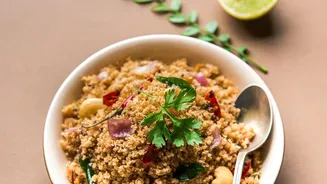
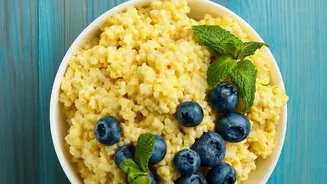
Enter millets, the ancient grains making a powerful comeback in modern kitchens. Once a staple across India, millets like ragi (finger millet), kodo, and foxtail are now celebrated as superfoods for their impressive nutritional profile. Naturally gluten-free, millets are packed with protein, dietary fibre, and essential minerals such as iron, magnesium, and calcium. A key advantage is their low glycemic index (GI), which means they release energy slowly, helping to maintain stable blood sugar levels and keep you feeling full for longer. This makes them an excellent choice for sustained energy throughout the morning, preventing mid-day cravings and energy slumps.
The Power of Steaming and Fermentation
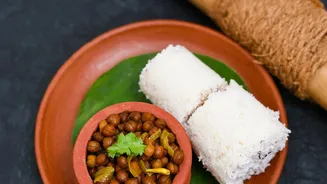
How these millets are prepared is just as important as the grains themselves. Idlis and appams are traditionally made by steaming a fermented batter. Steaming is a gentle cooking method that helps retain more nutrients compared to frying, without the need for added oils or fats. But the real magic lies in fermentation. This natural process enriches the batter with probiotics, which are beneficial bacteria that support a healthy gut microbiome. A balanced gut is linked to improved digestion, stronger immunity, and better nutrient absorption. Fermentation also breaks down complex carbohydrates and proteins, making foods like idli and appam incredibly easy to digest and light on the stomach.
Millet Idlis and Appams: A Nutritional Powerhouse
When you combine millets with the process of fermentation and steaming, you get a breakfast that is nutritionally superior on multiple fronts. A single foxtail millet idli, for instance, is low in calories but provides protein and fibre with a very low GI of around 47. Swapping traditional rice for millets in idli and appam recipes significantly boosts the fibre, protein, and mineral content. For example, Kodo millet is high in fibre and essential minerals like calcium and iron. This traditional cereal-pulse combination creates a complete protein source, which is particularly beneficial for vegetarians. The result is a meal that not only fuels your body but also actively supports digestive health and long-term wellness.
Making the Healthy Switch Effortless
Adopting this healthier breakfast habit doesn't have to be complicated. The batter for millet idlis and appams can be prepared in a large batch over the weekend and stored in the refrigerator for several days. This allows for fresh, hot, and nutritious breakfasts in minutes, even on the busiest weekday mornings. Unlike the empty calories from a sugary cereal, a breakfast of steamed millet appams or idlis provides sustained energy, promotes gut health, and connects you to a rich culinary heritage. It's a simple, effective change that moves away from ultra-processed products and towards whole, nourishing foods that have stood the test of time.