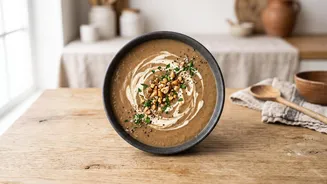




Craving a rich, velvety soup without the heaviness of dairy? The secret to a luxuriously creamy texture lies in an unexpected ingredient: roasted chestnuts. This simple technique transforms soups into comforting, elegant meals.
The Secret Behind the Creaminess
The magic of chestnuts lies
in their unique composition. Unlike other nuts that are high in oils, chestnuts are rich in starch. When cooked until tender and blended, this high starch content breaks down and creates a thick, velvety emulsion that beautifully mimics the texture of heavy cream or a potato-thickened soup. This process yields a silky-smooth finish that feels decadent and full-bodied. The result is not just a change in texture but also in flavor; chestnuts impart a subtle, nutty sweetness that adds a layer of complexity to any soup, making it taste more refined and deeply savory.
Your Step-by-Step Guide
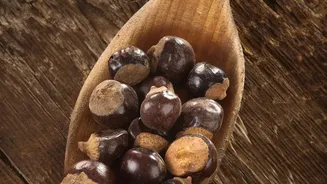
Using chestnuts as a creaming agent is straightforward. You can use fresh chestnuts that you roast yourself or, for convenience, pre-cooked and vacuum-packed chestnuts available at most grocery stores. If using fresh chestnuts, start by scoring an 'X' on the flat side of each nut. Roast them in a hot oven until the shells begin to curl away and the nut inside is tender. Once they are cool enough to handle, peel away the tough outer shell and the papery inner skin. From there, the process is simple: add the peeled, roasted chestnuts to your soup along with the broth and other vegetables. Let everything simmer until the chestnuts are very soft, about 15 to 20 minutes. Finally, use an immersion blender or a countertop blender to puree the soup until it is completely smooth and creamy.
Perfect Pairings for Chestnut Cream
The earthy, slightly sweet flavor of chestnuts pairs wonderfully with a variety of fall and winter ingredients. It is a natural fit for root vegetable soups, such as those made with parsnips, celeriac, butternut squash, or sweet potatoes. A creamy mushroom soup becomes even more luxurious with the addition of blended chestnuts, as the flavors complement each other perfectly. You can also use this technique with leek and potato soup or a simple cauliflower puree. The key is to pair the chestnuts with ingredients that will not overpower their delicate flavor. Aromatics like onion, leek, garlic, and thyme are excellent additions to build a savory base.
A Healthier, Dairy-Free Alternative
Opting for chestnuts instead of heavy cream offers several nutritional advantages. Chestnuts are naturally low in fat and free of cholesterol, making them a heart-healthy choice. They are a good source of fiber, complex carbohydrates for sustained energy, and essential minerals like manganese and potassium. For those with dietary restrictions, this method is a game-changer; it creates a creamy soup that is entirely vegan, dairy-free, and gluten-free. Coconut milk is another popular dairy-free alternative that can be used alongside or instead of chestnuts for an even richer vegan soup.
Tips for Silky-Smooth Success
To achieve the best results, a few tips can make all the difference. Using pre-cooked, peeled chestnuts is a significant time-saver and delivers consistent results without the effort of roasting and peeling. For the smoothest possible texture, a high-powered blender is recommended. If your soup seems too thick after blending, simply thin it with a little extra broth or water until it reaches your desired consistency. Remember that while chestnuts provide creaminess, they won't make the soup a stark white color like dairy cream will; the color will be more natural and earthy. Don't be afraid to experiment with spices like nutmeg or a splash of white wine to enhance the overall flavor profile.