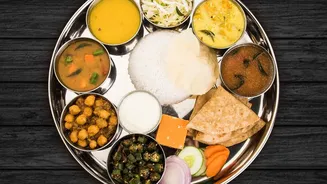







The Daily Dilemma of the Indian Kitchen
From Mumbai to Kolkata, the story is often the same. The work week demands efficiency, and cooking, for all its joys, can become a source of decision fatigue. We fall back on a trusted rotation: dal, a seasonal sabzi, roti, and rice. It’s nourishing,
it’s comforting, but it can also be monotonous. Factors like managing different dietary preferences within a family, a lack of time for culinary exploration, and the mental load of planning three meals a day contribute to this food rut. The desire for variety is there, but the time and energy to find, plan, and execute new recipes often are not. This is where the concept of a digital sous-chef becomes appealing, one that can handle the planning and leave the joy of cooking to you.
How AI Is Becoming a Culinary Assistant
Artificial intelligence recipe planners are not here to replace the intuitive skill of an Indian cook. Instead, think of them as a powerful tool for inspiration and organisation. These platforms, often available as apps, use AI to do the heavy lifting of meal planning. Users can input their preferences, such as vegetarian or non-vegetarian, spice levels, allergies, and even specific dietary goals like low-sugar or high-protein. The AI then scours vast databases of recipes, some with hundreds of thousands of options, to generate personalised daily or weekly meal plans. Some advanced tools can even create recipes based on a photo of the ingredients you have on hand, tackling the “what to do with this leftover lauki?” problem and helping reduce food waste.
Tailor-Made for the Indian Palate
Early recipe apps were often criticised for their lack of understanding of Indian cuisine, but a new generation of AI planners is being built specifically for our kitchens. These platforms understand the structure of an Indian meal—that it might consist of a dal, a sabzi, and a grain, not just a single dish. They are being trained on diverse regional cuisines, from Chettinad to Hyderabadi, and can suggest authentic dishes you may have never tried before. Many allow you to set rules like “no non-veg on Tuesdays” or to generate a shopping list that you can take to your local market. This level of customisation helps ensure the suggestions are not just creative but also practical for the average Indian household.
Navigating the Technology: Tips and Limitations
While promising, AI in the kitchen is still an evolving technology. Some cooks worry that an algorithm can’t replicate the nuanced, instinct-based techniques passed down through generations. A machine may not understand the exact moment a tadka is perfectly fragrant or the subtle difference in grinding a masala by hand. This is a valid concern. The best way to use these tools is as a creative partner, not a robotic chef. Use AI for ideas, recipe discovery, and nutritional information, but always trust your own experience and palate to perfect the dish. While an AI can suggest a recipe for Palak Paneer, your own judgement will know exactly how much garlic or ginger your family prefers.
Getting Started with AI Meal Planning
Ready to give it a try? Start by exploring apps designed with Indian food at their core. Look for features that allow deep customisation. The more specific you are with your prompts—listing ingredients, dietary needs, and cooking time constraints—the better the results will be. For example, you could ask for “a quick vegetarian North Indian dinner using paneer and capsicum that takes less than 30 minutes.” When you find recipes you like, save them. Most platforms learn your tastes over time, refining their suggestions to better suit your preferences. Think of it as teaching your new kitchen assistant what you love to eat, ensuring it gets smarter with every meal you plan.