





The Great Withdrawal
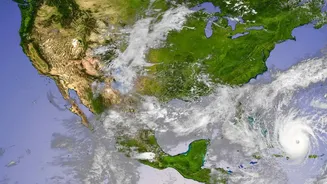
The retreat of the southwest monsoon is a gradual process, not an abrupt event. It typically begins in the northwestern state of Rajasthan around mid-September and slowly moves southeast over several weeks. By October, most of northern and central India
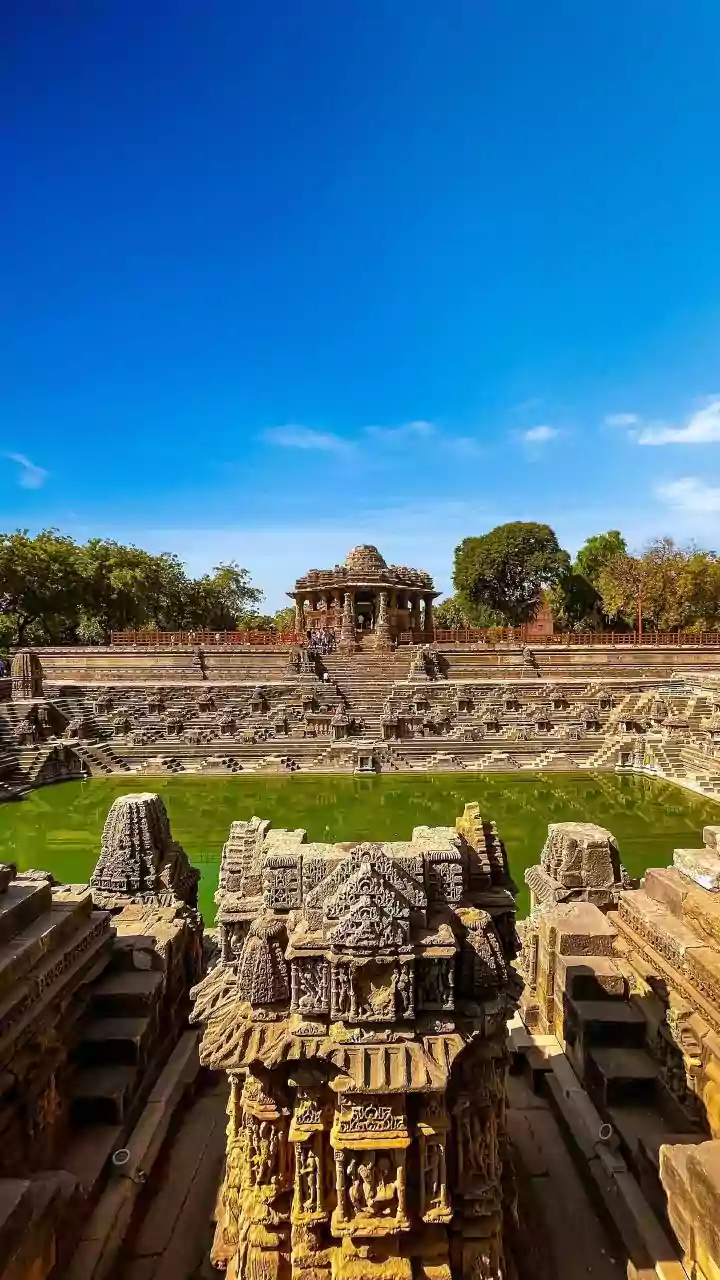
has bid farewell to the monsoon. This withdrawal is driven by a reversal of wind patterns; the moisture-laden southwesterly winds weaken and are replaced by drier northeasterly winds. The sky, once heavy with grey clouds, begins to clear, revealing a brilliant, crisp blue. The India Meteorological Department (IMD) officially declared that the 2026 monsoon season ended with a rainfall deficit, influenced by a strengthening El Niño.
A Tale of Two Monsoons
October presents a fascinating contrast in weather across the subcontinent. While the north and west welcome dry weather, the southern and eastern coasts brace for the Northeast Monsoon, also known as the retreating monsoon. As the dry northeasterly winds blow across the Bay of Bengal, they pick up moisture and bring significant rainfall to states like Tamil Nadu, Andhra Pradesh, and parts of Kerala. For Tamil Nadu, this season is crucial, delivering nearly half of its annual rainfall. For 2026, the IMD forecasts normal rainfall for the southern peninsula during this period, which offers some relief after a drier-than-usual southwest monsoon season.
The 'October Heat' Phenomenon
A peculiar feature of this transitional month is the 'October Heat'. As the monsoon recedes, the skies clear and rainfall decreases, but the land is still saturated with moisture. When the sun shines brightly, the combination of high humidity and rising temperatures can lead to a period of sultry, uncomfortable weather, particularly in the afternoons. This is a short-lived phase before the true cool of winter sets in. Average daytime temperatures across much of the country hover between 30°C and 34°C, while nights become progressively cooler, dropping to around 20°C.
Impact on Daily Life and Travel
The end of the monsoon signals a return to normalcy and marks the beginning of several key seasons. For farmers, it is harvest time for kharif crops and the moment to prepare for sowing winter (rabi) crops. The pleasant weather also kicks off India's peak tourist season, which runs until March. With minimal rain and comfortable temperatures in popular circuits like Rajasthan and the Golden Triangle (Delhi-Agra-Jaipur), it's an ideal time for travel and exploration. The clearer air also means a reduction in many monsoon-related ailments, though the season brings its own health considerations.
A Sky Full of Festivals
It's no coincidence that some of India's most vibrant outdoor festivals, such as Dussehra, Navaratri, and Durga Puja, are celebrated in October. The dry, pleasant weather and clear skies provide the perfect backdrop for large-scale celebrations, processions, and cultural performances. The cool, comfortable evenings are ideal for visiting brightly lit pandals, watching Ramlila plays, and participating in community gatherings that culminate in the burning of effigies. This festive spirit, combined with the agreeable climate, makes October a month of joy and renewal across much of the nation.