





Decode the Official Colour Codes
The first step in responsible monsoon travel is understanding the alerts issued by the India Meteorological Department (IMD). These colour-coded warnings are the most reliable indicator of impending severe weather. A Green alert means all is well, with
no advisory. A Yellow alert means 'Be Aware,' suggesting you should stay updated as conditions might change. An Orange alert means 'Be Prepared' for potentially disruptive weather like very heavy rain, which could lead to travel delays, waterlogging, or landslides. The most serious is a Red alert, which means 'Take Action'. This indicates a high probability of extremely severe weather that poses a significant threat to life and property, often advising against any travel.
Utilise Your Digital Toolkit
While IMD bulletins provide the big picture, hyper-local information is crucial. Download reliable weather apps to get district-level forecasts and real-time updates. The official 'Mausam' app by the IMD is a primary source for forecasts, radar images, and warnings. Other well-regarded apps like Skymet Weather and AccuWeather also provide detailed and fairly accurate predictions for various Indian locations. These tools can alert you to sudden changes, helping you adjust your itinerary on the fly. Many also provide information on lightning, which is a common monsoon hazard.
Reading the Signs in the Hills
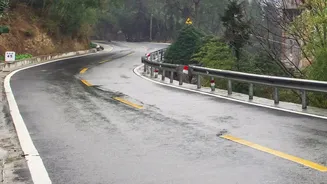
If your travels take you to a hill station, you must be vigilant for signs of landslides, which are a major risk during heavy rainfall. Listen for unusual sounds like rumbling, cracking trees, or boulders knocking together, which could signal moving debris. Visually, be wary of any sudden changes in the landscape. New cracks appearing on roads or walls, leaning trees or utility poles, and doors or windows that suddenly stick can all be subtle indicators of ground instability. If you are near a stream or river, a sudden increase or decrease in water flow, or the water turning from clear to muddy, is a critical warning sign to move to higher ground immediately.
Coastal and Urban Flood Warnings
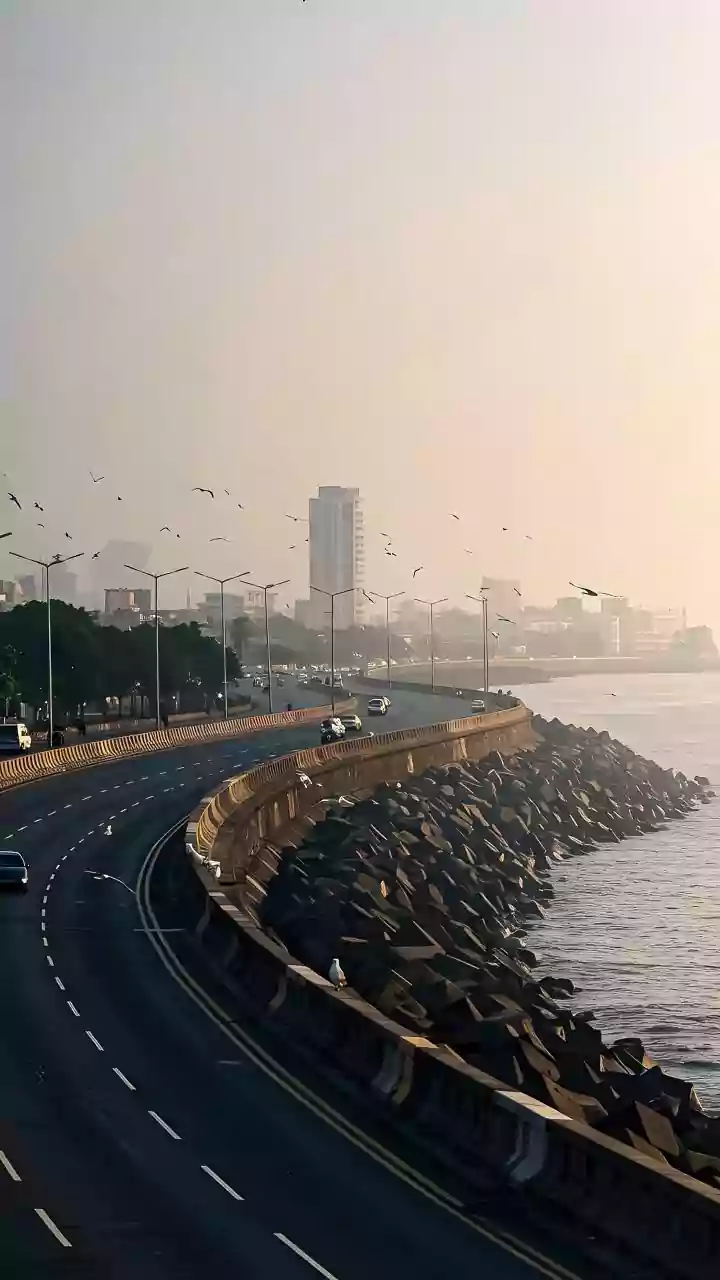
In coastal areas and cities, the primary threat is flooding. Official warnings will mention the risk of high tides and potential cyclonic storms. On the ground, the most obvious sign is rapidly rising water in low-lying areas. Never attempt to drive or walk through flooded streets. It is impossible to judge the water's depth or the strength of the current, and just a few inches of moving water can be dangerous. Look out for debris like branches and trash in the water, as this indicates a strong flow. In urban settings, waterlogged roads and overflowing drains are a clear signal to stay put or find a safer, elevated location until the water subsides.
Listen to Local Knowledge
Technology and official forecasts are invaluable, but they can't replace on-the-ground experience. Local residents, hotel staff, and especially local drivers have an intimate understanding of how the area responds to rain. They know which roads are the first to flood, which routes are prone to landslides, and which streams swell dangerously fast. Before heading out for the day, have a quick chat with them about your plans. Their advice can be the most practical and timely information you receive, helping you avoid risky situations that apps and forecasts might not have flagged yet. If local authorities issue advisories, always follow their guidance.