






The Scale of Kitchen Waste
It might seem like a small amount, but the food discarded from our homes has a massive collective impact. In India, households are the single largest contributor to food waste, accounting for a staggering 61% of the total. According to estimates from the United
Nations Environment Programme (UNEP), the average Indian household generates around 50 to 55 kilograms of food waste per person annually. This isn't just a waste of food in a country where many face hunger; it's also a waste of money and the natural resources like water and energy used to produce it. The primary culprits are often over-purchasing, miscalculating meal portions, and poor storage of fresh ingredients. The good news is that these are habits we can change, and it starts before you even step into the grocery store.
Step 1: The Kitchen Audit
Before you even think about what to buy, look at what you already have. This is the most crucial step in preventing duplicate purchases and using up ingredients before they expire. Check your pantry for staples like rice, dals, atta, and spices. Look through your fridge and freezer for vegetables, dairy, and any leftovers. Make a note of items that are close to their expiry date or produce that needs to be used soon. This 'first-in, first-out' approach ensures that older items get used before new ones. Planning your meals around what you currently possess is the most effective way to cut down on waste and reduce your grocery bill.
Step 2: A Flexible Weekly Meal Plan
Meal planning doesn't have to be rigid or complicated. Start with a simple outline for the week ahead. Jot down ideas for breakfast, lunch, and dinner. Be realistic about your schedule—if you know Tuesdays are busy, plan for a quick meal or leftovers. Incorporate the ingredients from your kitchen audit. Have half a cabbage? Plan a sabzi. Got leftover dal? It could become the base for parathas. Getting the family involved can also make the process more enjoyable and ensure everyone's preferences are considered. The goal isn't to create a strict menu but to have a roadmap that guides your shopping and reduces the daily stress of deciding what to cook.
Step 3: The Smart Shopping List
With your meal plan and kitchen audit in hand, you can now create a shopping list that is tied directly to your needs. This prevents impulse buys and ensures every item you purchase has a purpose. Group your list into categories: fresh produce (onions, tomatoes, leafy greens), dairy (paneer, yogurt), dry goods (dals, spices), and anything else you need. This not only makes your shopping trip more efficient but also helps you stick to the plan. For perishable items like vegetables, it's often better to buy smaller quantities weekly rather than in bulk monthly, to ensure they remain fresh.
Step 4: Smart Storage for a Longer Shelf Life
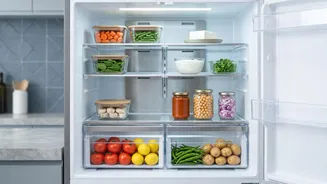
Once you bring your groceries home, how you store them is critical. Proper storage can significantly extend the life of your food. For instance, leafy greens like coriander and spinach last longer when washed, thoroughly dried, and stored in a container lined with a paper towel. Onions and potatoes should be kept in a cool, dark place, but stored separately to prevent sprouting. Traditional Indian kitchen wisdom, such as using all parts of a vegetable—from root to leaf—can also drastically reduce what ends up in the bin. Investing in good airtight containers for your dals, flours, and spices will keep them free from pests and moisture.