


The Reign of the 'Shelfie'
For years, the 'shelfie' has dominated our social media feeds. This trend encouraged us to become miniature museum curators in our own homes, arranging books, vases, candles, and quirky objects into a dense, picture-perfect display. Born from the visual-first
nature of platforms like Instagram and Pinterest, the goal was to create a backdrop that was both personal and aesthetically impressive. The more layers, textures, and conversation-starters you could cram onto a single surface, the better. Maximalism was the message, and our shelves became the stage for telling a story of a life well-lived and well-collected. It was less about storage and more about performance, with every item carefully placed to contribute to a stunning, shareable image.
The Dusty Downside of Maximalism
But the reality of living with these elaborate displays has begun to set in. The downside of a shelf packed with personality is that it’s also a magnet for dust and a nightmare to clean. Each of those lovingly arranged items must be picked up, wiped down, and carefully repositioned. What takes a moment to admire takes an eternity to maintain. This chore has slowly chipped away at the glamour of the over-styled look. Beyond the practical annoyance, there's a growing awareness of visual clutter. A space filled with too many objects, no matter how beautiful, can feel chaotic and mentally taxing. That perfectly composed 'shelfie' can, over time, become a source of low-grade stress—another task on an endless to-do list.
A Clearer Alternative Emerges
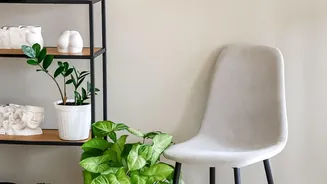
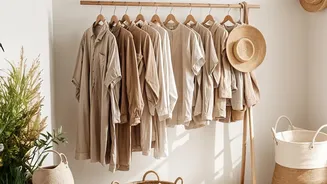
In response, a significant trend reversal is taking hold: a pivot back to simplicity. Interior designers and homeowners are increasingly embracing a 'less is more' philosophy, not out of a cold, sterile minimalism, but from a desire for warmth, function, and calm. This approach, sometimes called 'warm minimalism' or 'functional decor', champions the idea that a home should be a sanctuary, not a showroom. It prioritizes open space, clean lines, and intentionality. Every item on a shelf should serve a clear purpose or bring genuine joy, not just fill a gap. The focus is shifting from quantity to quality, creating spaces that feel breathable, serene, and, most importantly, liveable.
The Glorious Freedom of an Easy-to-Clean Home
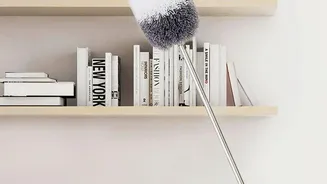
Herein lies the core argument for this reversal: the profound, understated luxury of an easy-to-clean home. Opting for fewer, more thoughtfully chosen items dramatically reduces maintenance time. A quick swipe with a duster across a largely clear surface is far more appealing than the delicate, time-consuming task of cleaning a cluttered shelf. This isn't about being lazy; it's about being smart and reclaiming our time and energy for things that matter more than dusting trinkets. A tidy, uncluttered environment has been shown to reduce stress and increase feelings of well-being. By simplifying our decor, we are not just making cleaning easier; we are designing a more peaceful and supportive home environment.
How to Embrace the Shift (Without a Bonfire)
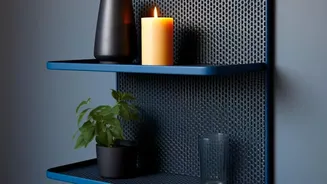
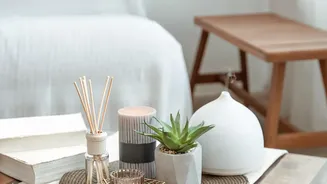
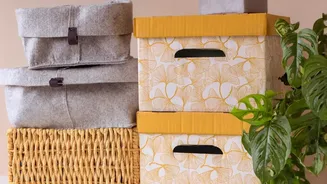
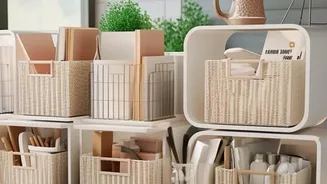
Joining this trend reversal doesn’t require you to discard all your cherished possessions. Instead, it’s an exercise in editing. Start by clearing everything off one shelf. Then, put back only the pieces you truly love and that work together. Create breathing room—or 'negative space'—around your objects to allow them to shine. Try grouping items in odd numbers, like threes or fives, which is often more pleasing to the eye. Mix textures and heights, but keep the overall collection sparse. Consider using multi-functional pieces, like a beautiful lidded box that offers hidden storage while looking chic. The goal is to move from a 'crammed and collected' look to a 'curated and calm' one.