


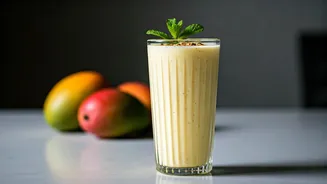
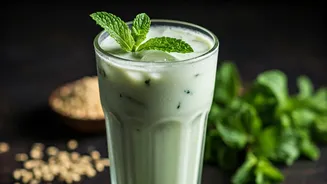


The Lassi Legend: A Healthy Origin
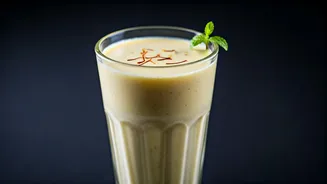
Let’s start with why we fell in love with lassi in the first place. Traditionally, lassi is a simple, brilliant concoction. At its heart is dahi (yoghurt), a powerhouse of probiotics that are fantastic for gut health, aiding digestion and boosting immunity.
Mixed with water and a pinch of salt (for namkeen lassi) or a minimal amount of sweetener and maybe some fruit (for meethi lassi), it was designed to be a hydrating, nourishing drink. This original version is light, replenishes electrolytes lost in the heat, and provides a healthy dose of calcium and protein. It’s the drink our grandparents rightly praised as a source of strength and wellness, perfect for settling the stomach after a heavy meal or cooling the body on a scorching afternoon.
The Modern Makeover: From Health Drink to Dessert
Somewhere along the way, the humble lassi got a glamorous, and very sugary, makeover. The lassi you buy from a trendy café, a sweet shop, or in a packaged bottle is often a world away from the traditional version. To appeal to our modern sweet tooth, these commercial lassis are frequently loaded with processed sugar, fruit syrups, and artificial flavourings. The focus has shifted from health and hydration to pure indulgence. It’s often thicker, creamier, and more dessert-like, which, while delicious, completely changes its nutritional profile. What was once a simple, healthy beverage has often become a liquid dessert masquerading as a traditional drink.
The Uncomfortable Truth About Sugar
Here’s the core of the reality check: the sugar content. A single serving of a commercially prepared sweet lassi can contain a staggering amount of sugar—anywhere from 25 to 50 grams. To put that in perspective, the World Health Organization recommends that adults limit their daily intake of free sugars to about 25 grams for optimal health. This means one glass of flavoured lassi from a shop could meet or even exceed your entire recommended daily sugar limit. Many popular fruit-flavoured lassis, like mango or rose, rely on sugary syrups rather than real fruit, pushing the sugar count even higher. This regular intake can contribute to weight gain, blood sugar spikes, and other long-term health issues.
Beyond Sugar: The Calorie and Fat Trap
It’s not just the sugar. To achieve that thick, luxurious texture, many lassis are made with full-fat dahi and, often, a generous dollop of malai (cream) or even a scoop of ice cream on top. While delicious, this dramatically increases the saturated fat and calorie content. A rich, malai-topped lassi can easily pack 300 to 500 calories, which is equivalent to a small meal, not a light beverage. If you’re drinking this alongside your lunch or as a casual afternoon cooler, you’re consuming far more calories than you probably realise. This is the difference between a drink that complements a meal and a drink that *is* a meal in itself.
How to Reclaim Your Healthy Lassi
The good news is that you don’t have to give up lassi. You just need to be smarter about it. The best lassi is the one you make at home, where you control every ingredient. Use homemade or good-quality plain dahi, blend it with water to your desired consistency, and if you want it sweet, use a small amount of a natural sweetener like jaggery, honey, or fresh fruit like banana or mango. This way, you get all the probiotic benefits without the sugar overload. When ordering out, make specific requests: ask for “less sugar” or “no sugar.” Skip the malai or ice cream topping. For packaged lassis, take a moment to read the nutrition label. Pay close attention to the “sugars” and “fats” section to make an informed choice.