






The World’s Grocery Bill
When you track the stock market with the Sensex or Nifty, you're looking at a single number that represents the health of many companies. The world has something similar for food: the FAO Food Price Index. Released monthly by the UN's Food and Agriculture
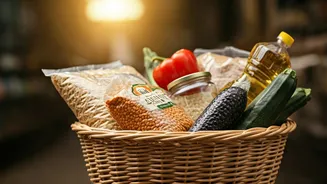
Organization, this index tracks the international prices of a basket of basic food commodities. It averages out the global prices for cereals (like wheat and rice), vegetable oils, dairy, meat, and sugar. Think of it as a global report card for food costs. While it doesn't immediately reflect the price of your local vegetables, it’s a powerful early signal for the prices of packaged and imported goods that fill your pantry, from cooking oil to biscuits.
From Port to Pantry
How does a change in the global price of palm oil or wheat affect your kitchen in India? The connection is through imports. India is one of the world's largest importers of edible oils and pulses. When global prices for these commodities rise, importers in India pay more. That cost is passed down through the supply chain—from the importer to the wholesaler, to the retailer, and finally, to you, the consumer. The latest FAO report for June 2026 shows that while overall food prices dipped slightly, vegetable oil and meat prices went up. Specifically, the Vegetable Oil Price Index rose by 3.8%, partly due to biofuel demand. This is a clear indicator that the cost of cooking oils could remain firm or increase in the coming months.
What the Numbers Tell Us Today
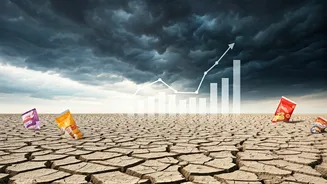
Looking at the most recent data from early July 2026 gives a mixed but revealing picture. The overall FAO Food Price Index saw a slight dip in June, mainly because of lower prices for cereals (like wheat and maize), dairy, and sugar. Wheat prices, for instance, fell by 4.4% due to good harvest prospects in the Black Sea region. However, this doesn't mean everything is getting cheaper. On the contrary, global rice prices are climbing, with the All Rice Price Index increasing by 3.2% due to strong demand in Asia. Meat prices also hit a new record high. These divergent trends show why a single headline about 'food prices falling' can be misleading; the specific commodity matters most to your budget.
A Proactive Budgeting Strategy
This is where knowledge becomes power. By paying attention to these global trends, you can shift from reactive spending to proactive budgeting. For instance, knowing that global wheat prices are currently trending down might suggest it's a stable time for atta prices. Conversely, seeing a consistent rise in the global vegetable oil index could be a signal to stock up on a month or two's supply of cooking oil, if your budget allows, before retail prices fully catch up. It’s also about anticipating shifts. If reports highlight El Niño concerns affecting sugar production in Thailand and India, as they are now, it’s wise to budget for potentially higher sugar and confectionery costs in the near future.
The Indian Context Matters
Of course, global prices are just one piece of the puzzle. Local factors in India play an enormous role. The government's Minimum Support Price (MSP) for crops, the performance of the monsoon, domestic fuel costs, and buffer stocks of essentials all heavily influence the final price you pay. For example, even if global wheat prices are low, a poor monsoon could impact the domestic harvest and drive local prices up. Similarly, government interventions can shield consumers from the full impact of a global price surge, as has happened in the past. Therefore, the smartest approach is to layer the global insights onto your understanding of the local situation to get the most accurate financial forecast for your household.